










Story Highlight
– Cold health alert issued for parts of the UK.
– Yellow wind warning covers south-west England and Wales.
– Christmas Day temperatures expected between 1C and 4C.
– Significant winds disrupt Christmas swimming events.
– Snow observed in Jersey, rare for Christmas Day.
Full Story
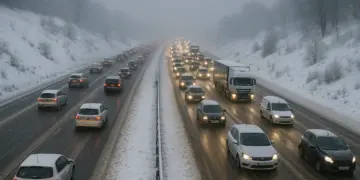
A cold weather advisory and severe weather warnings have been announced for several regions in the UK on Christmas Day, quashing hopes for a traditional snow-covered holiday. The UK Health Security Agency (UKHSA) has issued a yellow weather alert for the south-west of England, effective from 18:00 on 25 December until midday on 27 December.
The Met Office’s yellow warning for high winds encompasses areas of south-west England, including Somerset and a considerable portion of Wales, reaching from Cardiff in the south to Bangor in the north. The coastal winds reached impressive speeds, with gusts recorded at 68 mph (109 km/h) at Berry Head in Torbay on the morning of Thursday.
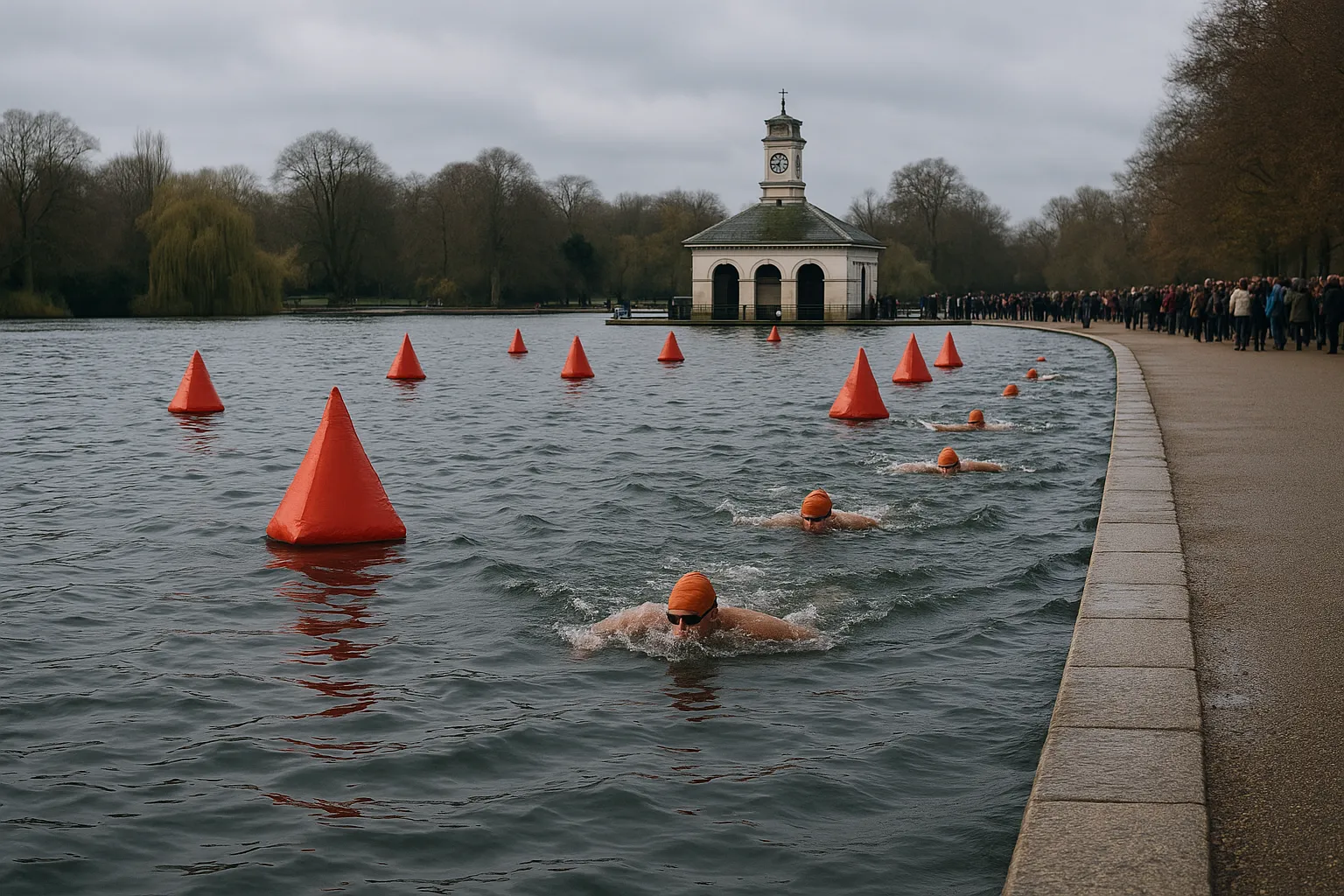
In light of the severe weather conditions, organisers of various swimming events scheduled for Christmas and Boxing Day in Devon and Cornwall have been forced to cancel their activities. Nonetheless, not all swimming events succumbed to the harsh conditions. Approximately 400 brave participants took the plunge into the chilly waters of the Serpentine in London’s Hyde Park, participating in the annual Peter Pan Cup. This year, Dave Bill claimed victory in the race and expressed his joy, saying, “It’s a real honour to win. Swimming in the cold water is one of the most rewarding things. It calms my nervous system.”
Meanwhile, the Met Office’s weather warnings cover 18 of Wales’ 22 local authority areas. In south-west England, temperatures hovered between 1°C and 4°C (34°F and 39°F) on Christmas morning, but with the wind chill, it felt significantly colder. Throughout the day, wind gusts along the coasts and from higher ground exceeded 40 mph, with findings of 43 mph in Plymouth and 49 mph recorded in Liscombe, Exmoor.
Oli Claydon, a spokesperson for the Met Office, remarked on the unlikelihood of a white Christmas across the UK this year, noting, “We’ve got a very dry picture across the UK over the next few days.” Interestingly, despite being a crown dependency rather than an official part of the UK, Jersey experienced snowfall on Thursday morning. According to the Jersey Met Section, this was only the third occurrence of snow on Christmas Day since records began, and the first such instance since 1970.
The UKHSA has warned that the low temperatures could result in minor health impacts and strain on social services. Specifically, there could be an increased demand for healthcare from more vulnerable individuals, alongside a heightened risk to life among these groups.
As Christmas Day unfolded, specific wind patterns were anticipated to intensify, particularly from east to north-east. Wind gusts were expected to reach 45–55 mph across many areas, with isolated gusts potentially surpassing this range in more exposed regions. The agency also cautioned that the unusual wind direction might disrupt transport and power networks. Coastal areas could expect large waves as an additional hazard.
Forecasters projected that the highest temperatures on Christmas Day would peak around 7°C (45°F) in north-east England and about 6°C in the south and south-east. The Met Office also indicated that frost and freezing temperatures would likely prevail in rural western areas overnight into Boxing Day, predicting lows of -6°C in parts of rural Scotland and -4°C in rural Wales.
As the weather continued to challenge festive plans, the organisers of the annual Coverack swim in Cornwall deemed the conditions too perilous to allow the event to proceed, postponing it until New Year’s Day. Similarly, the Start Bay Inn in Devon announced the regrettable cancellation of its Boxing Day swim, expressing sadness but prioritising safety above all else. The RNLI branch in Teignmouth took a similar stance, stating, “Safety considerations must come first.”
As residents and visitors adjust to these unexpected weather patterns this holiday season, many are left to grapple with the implications of cancelled events and changing plans, emphasizing the importance of safety during this wintry spell.
Gathering insights from a variety of stakeholders, including those directly affected and safety officials, reveals a keen awareness of the challenges posed by the harsh weather. With the prospect of frost and the advisories in place, the community’s response highlights both resilience and adaptability during the festive period under less-than-ideal conditions.
Such circumstances prompt a reflection on the unpredictability of winter in the UK and the nuances of weather-related disruptions during what is often considered one of the most joyful times of the year. As families and individuals find alternative ways to celebrate and connect, the spirit of community remains resilient, even amidst the frost and winds.
Our Thoughts
The article highlights the risks associated with outdoor swimming events during severe weather conditions. Key lessons include the importance of heeding weather warnings and prioritizing participant safety.
Organisers of swimming events should implement risk assessments in line with the Health and Safety at Work Act 1974 to evaluate potential hazards posed by low temperatures and strong winds. The decision to proceed with swimming, despite adverse weather conditions, indicates a potential breach of the Management of Health and Safety at Work Regulations 1999, which mandates that events must consider and mitigate risks to participants.
To prevent similar incidents, event organisers should enhance communication regarding weather alerts, establish clear criteria for event cancellation based on safety assessments, and ensure participants are adequately informed of risks associated with cold water swimming in adverse weather. Additionally, the use of safety equipment and increased supervision during such events could further reduce health risks. Implementing these measures would align with the duty of care required under UK health and safety legislation.