















Story Highlight
– Cold weather health alert issued for central and northern England.
– Vulnerable people at risk; health services may be impacted.
– Warning period from February 13 to 16.
– Snow and ice alerts also in force for northern England.
– Friday expected to be the chilliest day this week.
Full Story
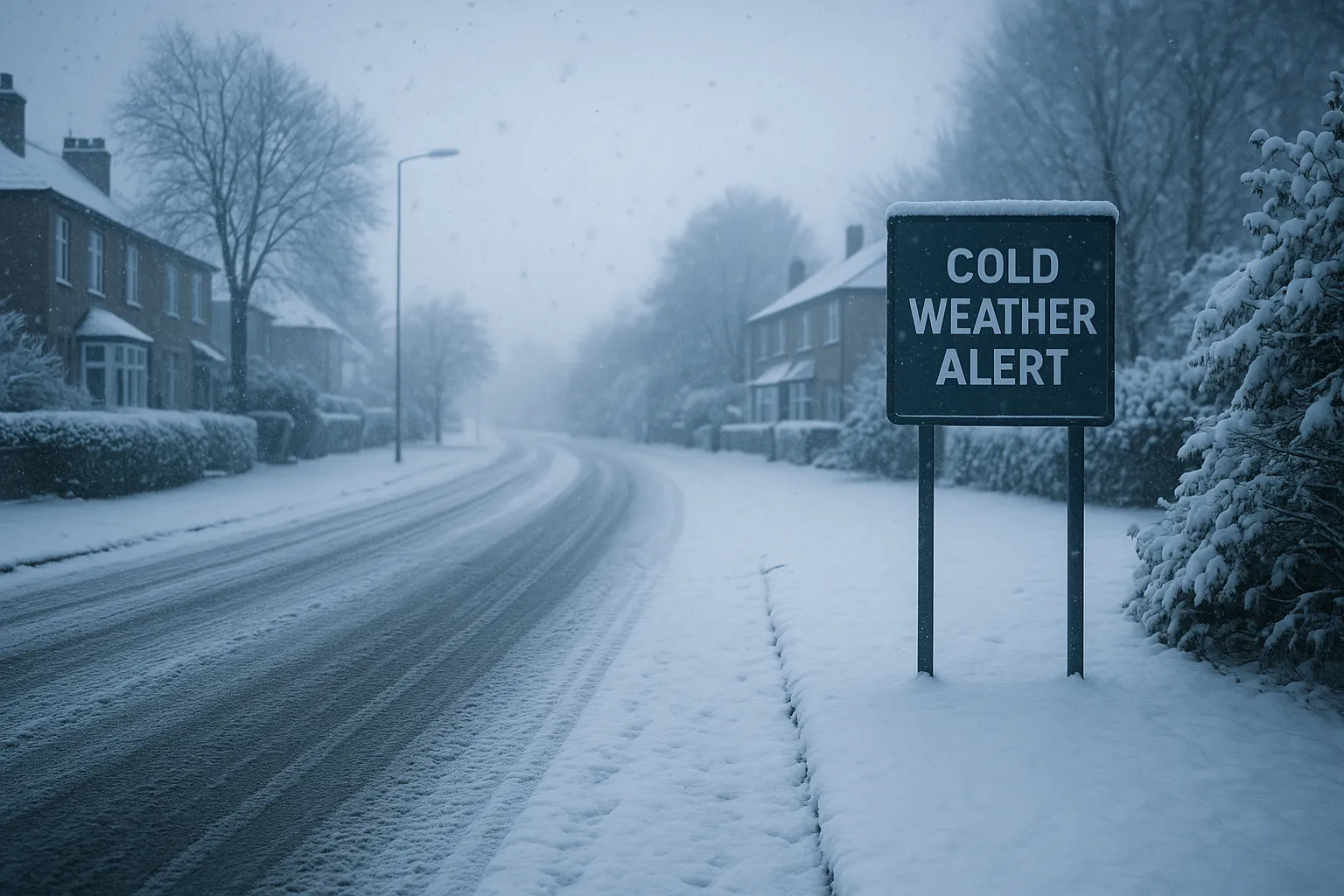
A health alert has been issued encompassing a four-day period for central and northern regions of England, highlighting concerns about the effects of cold weather on at-risk groups. The alert, which has been released by the UK Health Security Agency (UKHSA), is expected to run from the morning of Friday, February 13, through to the morning of Monday, February 16. It indicates that vulnerable individuals may face heightened risks, potentially leading to “minor impacts” on health services due to increased demand.
While the UKHSA primarily issues warnings for England, separate alerts for the risk of snow and ice are currently active across northern England and nearly all of Scotland. The Met Office anticipates that snow accumulation will be prevalent, with one to two centimetres expected in most areas, and higher elevations exceeding 300 metres possibly receiving up to 10 centimetres.
Data from the Met Office suggests that Friday will experience the coldest temperatures, with Manchester forecasted to see lows of around 2 degrees Celsius (35 degrees Fahrenheit) during the morning commute. Glasgow is expected to dip to 0 degrees Celsius (32 degrees Fahrenheit) under clear conditions. Additionally, heavy rain is on the horizon for Wednesday, with Scotland projected to bear the brunt of this downpour. Yellow weather warnings are currently in place until midnight, affecting a significant portion of eastern England and parts of the west coast.
The month of January has already posed significant challenges, particularly for regions like Aberdeen, which has recorded 180% of its average February rainfall. Similar patterns have emerged in Kincardineshire, with 152% of the expected figures, and Angus, which has seen 130%. According to the Met Office, January this year has been characterised by persistent rainfall due to a “blocking pattern,” causing 26 weather stations across the region to report new monthly records. Northern Ireland also faced its wettest January in 149 years.
Chris England, a weather producer for Sky News, remarked that the impending drop in temperatures will likely surprise many, especially following a prolonged period of mild and wet weather. He explained that the jet stream, which influences weather patterns, will shift temporarily southwards, opening the door for colder air to invade from the north and bring about wintery conditions. However, he added that warmer conditions are expected to make a comeback from the south later in the weekend.
As the weather conditions shift, public health officials are urging those who may be particularly susceptible, such as the elderly, individuals with pre-existing health conditions, and the homeless, to take appropriate precautions. The cold snap poses risks that can exacerbate existing health conditions or lead to new health challenges, prompting advice aimed at minimising exposure to extreme cold. This includes dressing warmly, staying indoors when possible, and ensuring that living environments are adequately heated.
Local authorities in affected regions have also begun rolling out initiatives aimed at supporting those in need during this cold spell. Councils are preparing to activate emergency plans, providing resources such as additional shelter for the homeless and outreach services to ensure vulnerable residents receive the necessary assistance. Community organisations are working collaboratively with local health services to ensure that individuals who may be struggling are identified and supported appropriately.
Weather experts recommend that residents stay well-informed of updates through the Met Office and local news channels, particularly regarding travel and health advice. Even minor disruptions due to adverse weather conditions can impact daily life, and those relying on public transport should remain vigilant for potential delays or service alterations.
While the current cold snap may bring temporary discomfort, experts anticipate a gradual moderation of temperatures later in the week. As the low-pressure system moves out, meaning warmer air could spread from the south, conditions may soon improve following this brief wintry phase. However, forecasters caution that the unpredictable nature of British weather means residents should remain prepared for sudden changes.
In summary, with the UKHSA issuing a health alert and adverse weather warnings in effect, central and northern England is poised to experience a significant cold snap. Officials are encouraging residents to take the necessary precautions, particularly those in vulnerable groups, while local authorities prepare to offer support to those most affected by these conditions.
Our Thoughts
The article highlights a cold weather alert for central and northern England, emphasizing increased risks to vulnerable populations and potential strain on health services. To mitigate such risks, better preparation and communication from local authorities could be implemented.
Key safety lessons include the need for proactive measures to protect vulnerable groups, such as ensuring adequate heating provisions and advising on safe travel during adverse weather conditions. The Health and Safety at Work Act 1974 necessitates employers to ensure the health, safety, and welfare of employees, which extends to providing a safe working environment during extreme weather.
Relevant regulations, such as the Management of Health and Safety at Work Regulations 1999, may have been breached if risk assessments were not conducted in anticipation of the weather changes, failing to identify increased risks associated with cold conditions.
To prevent similar incidents, local authorities and health services should enhance their contingency planning for extreme weather events, ensuring clear communication of risks and resources available to support vulnerable individuals. Regular training for staff on weather-related safety protocols can also contribute to minimizing risks.