







Story Highlight
– Cold weather alerts issued across multiple UK regions.
– Amber health warning effective until January 5, 2026.
– Temperatures may drop to -7C in parts of Scotland.
– Increased health risks for vulnerable populations expected.
– Yellow cold health alert active in several UK areas.
Full Story
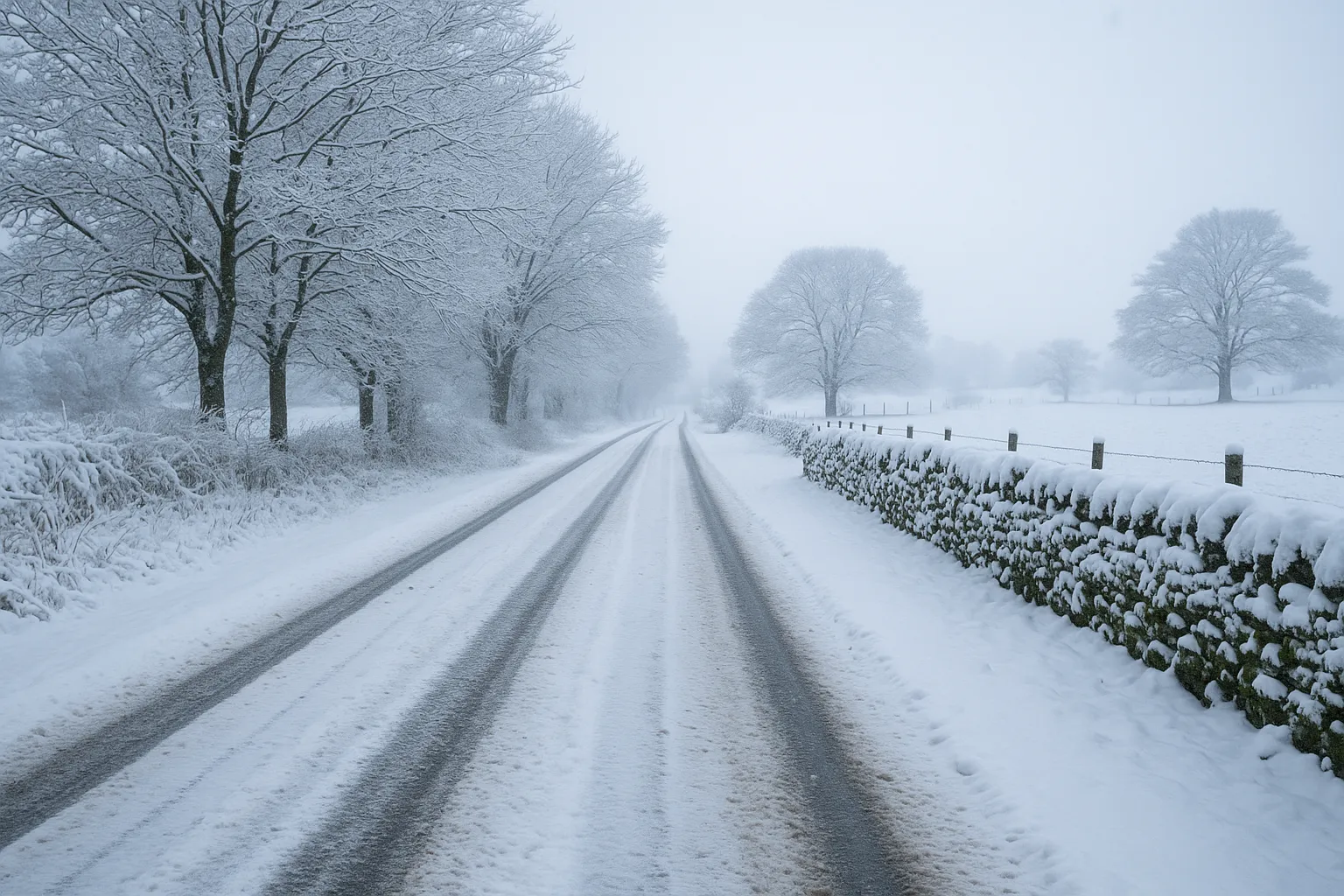
Residents across the UK are being advised to brace themselves for a significantly colder start to 2026, as authorities issue a series of cold weather warnings. An amber warning has been activated for the North East and North West regions, effective from 8pm on Sunday and lasting until noon on 5 January 2026. During this period, daytime temperatures in these areas are expected to linger around 3 to 5 degrees Celsius, with overnight lows potentially plunging to -3 degrees, and even as low as -7 degrees in certain parts of Scotland.
As the new year approaches, meteorological forecasts indicate that wintry showers will sweep across northern England, setting the scene for a blustery and frigid start to the year ahead. Dan Stroud, a spokesperson for the Met Office, remarked that the country is transitioning away from the settled yet cool conditions that have prevailed, moving towards wetter and more unstable weather patterns, especially affecting northern regions.
Stroud further noted that the concluding days of 2025 are likely to feel less than satisfactory, with predicted temperatures hovering between 7 to 8 degrees Celsius. However, the shift as 2026 arrives will bring about more typical winter weather. Presently, there are no formal weather warnings from the Met Office, but the amber health alerts issued by the UK Health and Security Agency (UKHSA) highlight the potential for severe impacts to public health services.
The UKHSA has expressed concerns that this drop in temperature could lead to a marked rise in health-related issues, particularly among vulnerable populations, such as the elderly and those with pre-existing conditions. The agency has indicated that the colder weather could indeed escalate health risks, including a potential increase in mortality rates for those over the age of 65. Importantly, younger individuals could also feel adverse effects, and there is an expectation of increased demand for health services as the region grapples with these chilling conditions.
Authorities warn that indoor temperatures in vital establishments like hospitals and care homes may fall below the levels deemed safe for health assessments. This situation could result in greater risks for vulnerable individuals within those settings as facilities struggle to maintain recommended indoor temperatures of 18 degrees Celsius.
In addition to potential health impacts, the UKHSA has signalled that the cold snap may also disrupt staffing levels due to factors such as travel delays. Other crucial sectors, including transportation and energy, could experience ramifications as the weather worsens.
In conjunction with the amber warnings for the North East and North West, a yellow cold weather alert has been issued for a broader range of regions including the East Midlands, West Midlands, South East, South West, East of England, Yorkshire and the Humber, and London. The forecast suggests that temperatures in these areas may drop to around 4 to 6 degrees Celsius starting from New Year’s Day.
Dr Agostinho Sousa, who heads the extreme events and health protection division at UKHSA, emphasised the importance of checking in on those who are most vulnerable as the cold spreads. He stated, “As the colder weather sets in, it is vital to check in on friends, family and neighbours that are most vulnerable.” He elaborated that the expected temperatures pose a serious threat to health, increasing the risk of heart attacks, strokes, and respiratory infections, particularly for those aged 65 and older, as well as individuals with existing health concerns.
With the season’s chill expected to set in firmly, local communities are being encouraged to take practical steps to safeguard the well-being of those most at risk. People are urged to check on elderly relatives and neighbours, as well as monitor any vulnerable groups in their vicinity, ensuring they have adequate heating and resources.
The cold weather warnings serve as a reminder of the importance of preparation ahead of a potentially severe winter ahead. While many might look forward to the joyous celebrations that accompany the New Year, it is crucial to remain vigilant and proactive in addressing the public health implications that accompany drops in temperature.
As 2026 dawns with a backdrop of harsh weather forecasts, residents across the UK are advised to stay informed and heed the guidance of health officials to mitigate health risks during this chilling period. The cooperative effort of communities will play a vital role in navigating the challenges posed by the winter elements in the coming weeks.
Our Thoughts
To mitigate the risks associated with the severe cold weather forecasted, a more proactive approach could have been implemented in line with UK health and safety legislation. For instance, following the Health and Safety at Work Act 1974, care homes and healthcare facilities should have established winter preparedness plans. These plans should include maintaining indoor temperatures at or above the recommended 18°C to protect vulnerable individuals.
Furthermore, local authorities and service providers failed to activate and disseminate appropriate safety measures promptly. Under the Management of Health and Safety at Work Regulations 1999, risk assessments should have been conducted before the cold weather alerts, addressing potential impacts on health services, staffing shortages, and infrastructure setbacks due to weather conditions.
Key safety lessons include the importance of communication and contingency planning for severe weather impacts on health and social care services. Additionally, prior consultation with the Met Office regarding potential weather impacts could help in implementing timely responses to safeguard public health. Adopting these measures can prevent similar incidents and ensure the well-being of at-risk populations during extreme weather conditions.