
















Story Highlight
– Restaurant director sentenced for hygiene violations and cockroaches.
– Sajjadur Malik missed court, faced arrest warrant.
– Samco Spice Ltd charged with 11 food safety offences.
– The Cottage restaurant closed after zero-star rating.
– New restaurant Flaver’s opens with five-star hygiene rating.
Full Story
A recent court ruling has underscored the importance of food hygiene standards following the sentencing of a restaurant director linked to severe health violations at his Warrington establishment. Sajjadur Aziz Malik, the former director of Samco Spice Ltd, faced legal consequences after health inspectors uncovered alarming conditions within the kitchen of his restaurant.
Malik, who resides on Werneth Crescent in Oldham, initially evaded justice, failing to appear at Warrington Magistrates’ Court on two occasions. However, he returned to the UK and was sentenced earlier this month, with his business, Samco Spice Ltd, also held accountable. The case was initiated by Warrington Borough Council, which brought forward 11 charges against both Malik and his company, all of which they admitted to.
Until its closure, Malik and Samco Spice Ltd managed The Cottage, a familiar Indian restaurant located in the historic Cromwell’s Cottage building on Church Street in Howley. However, following a tumultuous period that culminated in a zero-star food hygiene rating in July 2024, the restaurant ceased operations by the end of the same year.
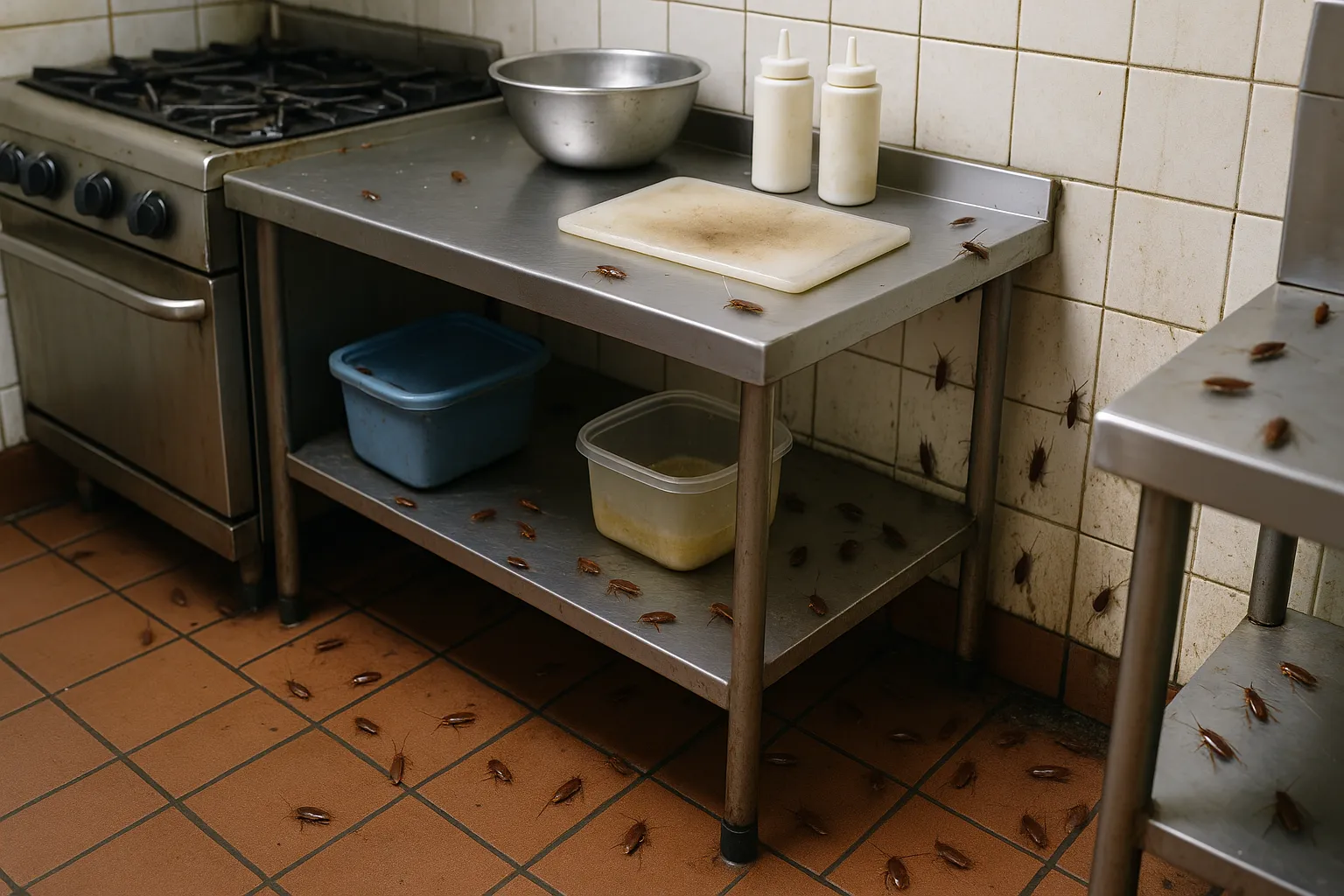
The process leading to their prosecution began when a complaint of alleged food poisoning prompted a routine health inspection. The inspection revealed deplorable hygiene practices, including substandard cleaning protocols, the absence of adequate staff training, and ineffective food safety management. Perhaps most concerning was the identified risk to public health due to cockroach infestations that plagued the kitchen and food storage areas.
In light of these findings, the restaurant’s premises were voluntarily closed on the same day of the inspection. Despite efforts to rectify the situation, further inspections in August 2024 revealed that cockroach activity persisted, leading to the ultimate collapse of the business. Following this, The Cottage was succeeded by a new and unrelated establishment, Flaver’s, which has since received positive acclaim.
Notably, Flaver’s has excelled where its predecessor failed, achieving an impressive five-star food hygiene rating and earning commendations from patrons on platforms such as Google and TripAdvisor. The flourishing new restaurant currently boasts 4.9 stars on TripAdvisor, the highest rating within its category in the Warrington area. Recent customer reviews highlight the quality of both the food and service, with one saying the experience was “exceptional” and another praising the meal as “absolutely fantastic.”
Malik’s guilt regarding the charges was acknowledged in court, where he accepted responsibility for the offences attributed to his role as director. The magistrate imposed a penalty totalling £7,616 on Malik, which included a fine of £2,769, court costs amounting to £3,739, and a victim surcharge of £1,108. His company, Samco Spice Ltd, was fined £420, encompassing a fine of £300 and a victim surcharge of £120.
Cllr John Kerr Brown, the cabinet member for housing services and licensing at Warrington Borough Council, welcomed the court’s decision, emphasizing the council’s commitment to upholding food safety standards. “This case highlights the seriousness with which we take food safety in Warrington,” he remarked. Cllr Brown pointed out that the conditions discovered at the premises posed an “unacceptable risk to public health” and praised the efforts of the council’s business compliance team in safeguarding the well-being of the community.
“This outcome sends a strong message that breaches will be dealt with robustly,” he added, reflecting the council’s resolve to ensure all businesses adhere to their legal responsibilities concerning food hygiene.
The transformation from a dire situation to a successful new venture has captured local interest, with Flaver’s quickly establishing itself as a desirable dining destination. The original establishment’s shuttering, overtaken by reviews of poor standards, sharply contrasts with the current accolades bestowed upon its successor. Warrington diners can now experience a revitalised approach to hospitality in a building steeped in history.
The scrutiny of food safety practices, as demonstrated by this case, serves to remind both consumers and operators alike of the importance of maintaining rigorous hygiene standards. In an era where public health considerations remain at the forefront, such regulatory actions are vital to fostering confidence in the dining experience.
The community’s response to the closure of The Cottage and the subsequent launch of Flaver’s reinforces the significance of accountability in the food service industry. As residents relish the positive developments in Warrington’s dining landscape, the enduring message is clear: maintaining high food safety standards is essential for public trust and health.
Our Thoughts
To prevent the serious food hygiene failings at The Cottage Indian restaurant, stringent adherence to the Food Safety and Hygiene Regulations should have been maintained. Key lessons include the necessity of regular pest control measures and effective staff training in hygiene practices. The failure to implement a robust food safety management system directly contravened Regulation (EC) No 852/2004 on the hygiene of foodstuffs, which mandates that food businesses must have adequate procedures in place to ensure food safety.
In this case, the director’s neglect and lack of attendance at court reflect a disregard for regulatory compliance and responsibilities under the Health and Safety at Work etc. Act 1974, which stipulates that employers must ensure the health and safety of employees and the public. Regular audits and inspections should have been conducted to identify risks before they became critical, and proper communication of hygiene responsibilities to all staff members is essential.
By fostering a culture of accountability and preventive maintenance, similar incidents could be avoided in the future, ultimately protecting public health and ensuring compliance with legal obligations.