















Story Highlight
– Enforcement actions decline significantly across British industries.
– Regulatory penalties for abusive employers fall sharply in 2025.
– PM calls for relaxed rules to boost economic growth.
– Employment tribunal successes decrease; cases delayed to 2027.
– Green Party advocates for stronger enforcement and funding.
Full Story
A recent study has revealed a troubling trend in the enforcement of workplace and environmental regulations across the UK, with significant reductions in regulatory actions reported in 2025. According to a comprehensive review conducted by the policy think tank Good Jobs First, the decline in enforcement actions suggests that many instances of harmful practices may not be addressed adequately.
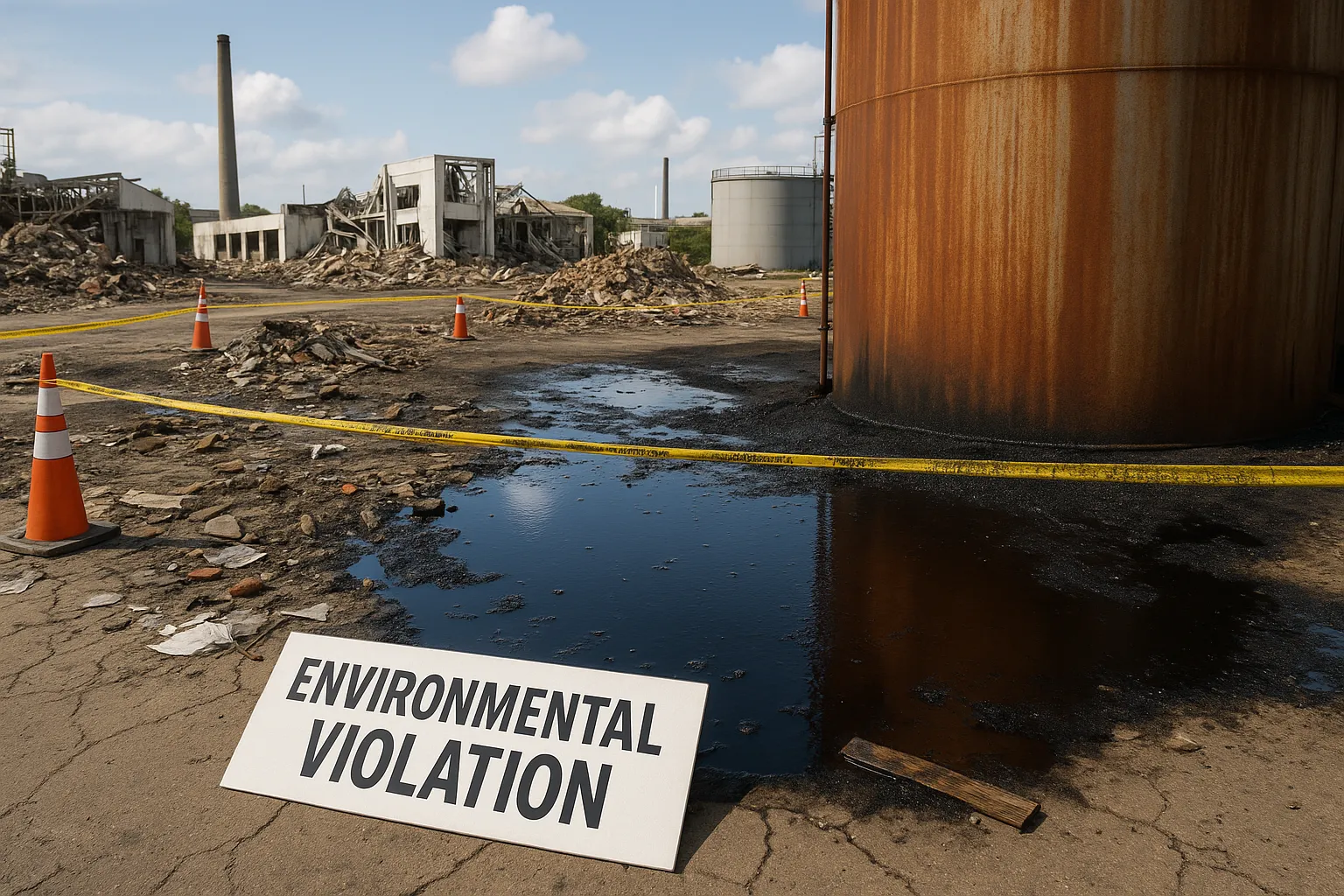
The report indicates a sharp decrease in regulatory penalties across various sectors for violating workplace safety, consumer protection, and environmental laws. This downturn follows a directive from the government earlier this year, which requested regulators to soften their enforcement of existing rules, aiming to encourage business growth in the wake of economic pressures.
In an initiative led by Prime Minister Sir Keir Starmer’s administration, letters were dispatched to 17 regulatory agencies, advising them to adopt a more lenient stance towards compliance enforcement in critical industries. This push for regulatory relaxation has been noted especially within the UK Environment Agency, which has experienced a progressive decline in enforcement actions over previous decades. Furthermore, the Financial Conduct Authority reported a staggering drop of nearly £600 million in penalties compared to the previous year.
The findings also indicate that outcomes in employment tribunals have worsened, with successful claims on the decline and a record number of cases now awaiting resolution. Many of these cases are not set to be heard until 2027 or 2028, leading to growing concerns about the state of workplace rights in the UK.
The Health and Safety Executive (HSE) has not been exempt from this trend, with the report highlighting a decline in its enforcement activities as well. Green Party MP Sian Berry expressed her concerns about the implications of these findings, stating that the report exposes a severe erosion of regulations designed to protect both individuals and the environment. She remarked, “When environmental enforcement collapses, polluters get a green light to poison our rivers, trash our air and destroy habitats with impunity.” Berry further implicated the Labour government, asserting that their policies reflect a capitulation to corporate influences and a neglect of public accountability.
Berry advocated for a reversal of current trends, calling for enhanced funding for regulatory bodies and stricter enforcement measures, stating, “The Green Party would reverse this race to the bottom by properly funding regulators, restoring tough enforcement, and making polluters and abusive employers pay with real penalties.” She stressed the importance of prioritising both the environment and workers’ rights over corporate interests.
While the majority of regulatory bodies are reducing their enforcement capabilities, two agencies have reportedly ramped up their activities this year. The Competition and Markets Authority initiated over two dozen penalty actions, while Ofwat, the water sector regulator, intensified its scrutiny of privately owned water companies, taking significant legal action against them.
James Harrison, the director of the Institute of Employment Rights, commented on the implications of the report, noting, “The fall in successful employment tribunal cases is particularly alarming, as it underlines just how difficult upholding individual employment rights can be for workers in the UK’s labour market.” He emphasised that, in practice, workers fare better when backed by collective rights through trade unions rather than relying on an individualised system that places the burden solely on them to enforce their rights.
Harrison reiterated that without proper enforcement, rights are effectively meaningless. He stated, “Laws on the books, whether covering health and safety, employment rights, or basic workplace protections, are meaningless without well-resourced enforcement bodies.” This sentiment echoes across various sectors, as the effectiveness of existing regulations is increasingly questioned.
Jon Richards, assistant general secretary of Unison, highlighted the impact of years of funding cuts under Conservative governments, saying that public services responsible for safeguarding standards are now severely under-resourced. He called for the rebuilding of these bodies to ensure accountability for those who violate regulations.
From the perspective of the trade unions, a spokesperson from Unite underscored the essential role unions play in maintaining a safe working environment, stating, “The safety and well-being of workers is never optional and must always be the highest priority in the workplace.” This spokesperson insisted on the necessity for comprehensive funding for the HSE and other regulatory bodies to prevent neglect of worker safety.
In response to the criticism, a spokesperson for the HSE defended its regulation record, asserting that the agency is committed to health and safety in the workplace. They stated, “Counting the enforcement action we carry out is not the only way that we measure impact.” Additionally, they noted that the agency has concentrated its inspection activities on the highest-risk areas over the past decade and employs various regulatory tools to support health and safety improvements.
The findings of this report have reignited the debate regarding the balance between economic development and the enforcement of regulations intended to protect workers and the environment. As discussions continue, stakeholders from various sectors will be closely monitoring the government’s next steps in addressing these critical concerns.
Our Thoughts
The reported decline in enforcement actions across UK industries, particularly by the Health and Safety Executive (HSE), highlights significant shortcomings in maintaining workplace safety standards. Key measures that could have been taken to prevent these issues include increased funding for regulatory bodies to ensure adequate enforcement capabilities and more robust penalties for violations of health and safety regulations.
The article reflects potential breaches of the Health and Safety at Work Act 1974, which mandates organizations to ensure the health, safety, and welfare of employees. Lax enforcement allows non-compliance to continue unaddressed, undermining worker safety and rights.
Key lessons include the necessity of strong regulatory frameworks and enforcement mechanisms. Stakeholders must understand that rights are ineffective without adequate enforcement; thus, prioritizing resources for HSE and other enforcement bodies is crucial.
Similar incidents could be mitigated through consistent regulatory oversight, increasing penalties for violations, and engaging with trade unions to uphold collective rights. Reestablishing a system where enforcement is not relaxed in favor of economic growth is vital to ensuring safe working conditions and protecting workers’ rights effectively.