















Story Highlight
– Family discovers mother’s diaries linked to Cape Verde illness.
– Over 1,700 tourists join legal action against TUI.
– Mother fell seriously ill during 2024 trip to Cape Verde.
– Postmortem revealed gastric illness contributed to her death.
– TUI expresses condolences amidst rising illness reports.
Full Story
In the wake of a troubling series of health crises linked to holidays in Cape Verde, a family has uncovered their late mother’s diaries from a trip to the archipelago, following her death during the return flight. This revelation comes amid reports of multiple fatalities and significant numbers of tourists falling gravely ill during their visits to the region.
Cape Verde, an increasingly popular travel destination known for its stunning beaches and picturesque landscapes, has faced serious scrutiny due to ongoing health concerns. Legal proceedings have commenced against TUI, one of the leading travel operators, involving over 1,700 individuals who reported illness during their stays. The company has publicly expressed sorrow over these events, with a spokesperson stating, “We are deeply saddened… customer health and safety is always our highest priority.”
Among the families affected is that of a woman who tragically passed away while returning from her holiday in Cape Verde. The mother of two experienced severe illness during her stay, leading to convulsions en route home. Despite the intervention of a fellow passenger who was a doctor, her condition deteriorated rapidly, culminating in her death just before landing.
The woman’s husband, who was seated beside her, held her hand in a heart-wrenching gesture during the harrowing final moments on the flight. Since learning of the deaths of British tourists connected to gastrointestinal illnesses in Cape Verde, her daughters have sought answers regarding the circumstances surrounding their mother’s passing.
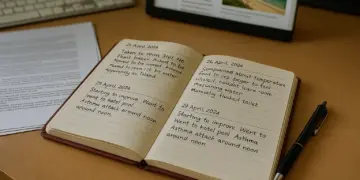
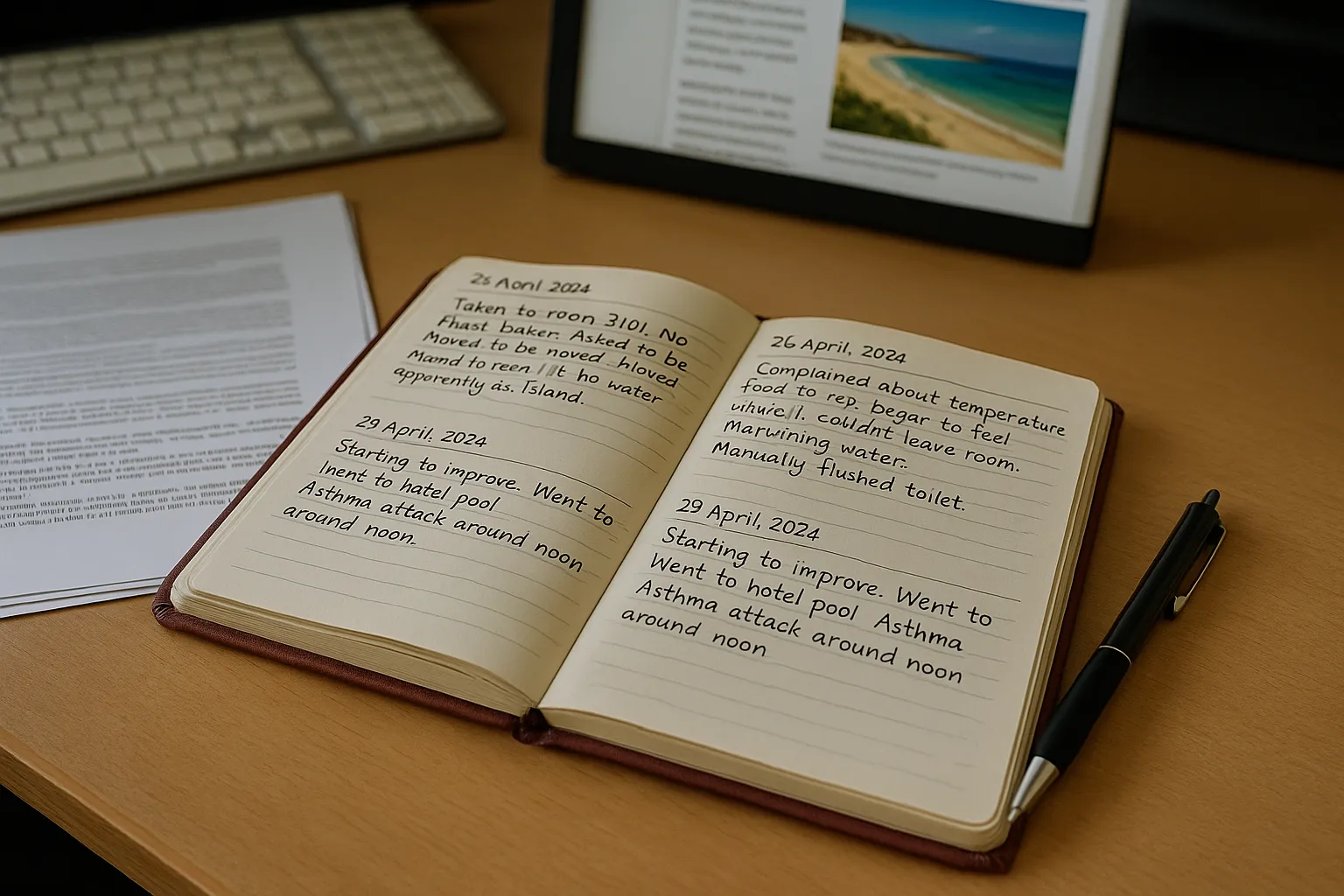
The deceased, a retired civil servant from Berkshire, documented her experiences in diaries, which her children later discovered. In these entries, she recounted her distressing ordeal, highlighting her illness and the unsatisfactory conditions at their hotel, part of a TUI all-inclusive package holiday. An excerpt from her diary detailed being moved from one room to another due to a lack of running water: “Taken to room 3101. No water. Phone broken. Asked to be moved. Moved to room 117. No water apparently as Island.”
Her plight escalated when she reported her dissatisfaction with the food temperature to a TUI representative. Soon after, she noted in her diary that she had become unwell, spending days confined to her hotel room as hotel staff had to “manually flush the toilet” due to the dire sanitation situation.
On the last day the mother recorded her experiences, she mentioned a small improvement in her health, although she suffered an asthma attack after coming into contact with freshly mowed grass nearby. This alarming turn of events occurred despite the fact that she was typically able to manage her underlying health condition effectively.
The couple had stayed on the island of Sal, a location not far from where a significant outbreak of Shigella has been reported. Since September 2022, numerous cases of tourists experiencing gastric disorders have emerged, overlapping with or attributed to the Shigella bacteria. According to data from the European Centre for Disease Prevention and Control, 263 British nationals who visited Cape Verde tested positive for these illnesses.
The family has been grappling with their tragic loss, feeling considerable anguish regarding the circumstances surrounding their mother’s death. They received a £500 compensation offer from TUI due to the substandard hotel conditions, having initially turned down a lesser offer in hopes for a more satisfactory resolution. Following a thorough post-mortem, it was revealed that the gastric illness she contracted during her holiday had contributed to her demise, exacerbated by an undiscovered heart condition.
The daughters emphasised the profound grief their father is experiencing, as he copes with the loss of his wife in such a public, distressing manner. They articulated their frustration with TUI’s handling of the situation, branding the company’s communication as “appalling.” One daughter stated, “The service [and] communications that we had with [Tui] were just appalling. Even if she hadn’t gotten sick on their holiday… the lack of sensitivity surrounding her death was absolutely horrific.”
The family feels compelled to advocate for their mother, who was known for championing others in her life. Their aim is to ensure that what they endured does not go unnoticed and hope to raise awareness about the perceived deficiencies in care and safety in holiday environments.
Legal representatives from Irwin Mitchell, a firm assisting numerous claimants, have reported an alarming number of illnesses associated with various pathogens, including E. coli, Salmonella, and Shigella, with claims of parasitic infections also on the rise. The firm noted that it has received complaints from around 1,700 tourists, prompting a rigorous pursuit of claims against TUI.
A spokesperson for TUI reiterated the company’s commitment to traveller safety, noting the necessity for customers to report illness while on holiday to enable effective assistance. They further confirmed their engagement with relevant health authorities and hotel partners to address these health risks.
In an interview, solicitor Jatinder Paul remarked on the unprecedented nature of this case, highlighting the tragic fatalities associated with the illnesses reported by holidaymakers. He stated, “In all my years of doing this work, I have not seen a case this large… Unfortunately, it was the opposite of that.”
As investigations continue, health agencies have recorded an increase in reported cases of shigella and other infections amongst tourists to Cape Verde, calling into question the safety standards across holiday accommodations in the region. These ongoing concerns have ignited a larger conversation about ensuring safety and accountability within the travel industry, as families continue to seek justice and answers for their lost loved ones.
Our Thoughts
To prevent the tragic events highlighted in the article, several measures could have been implemented. TUI, as the holiday provider, should have ensured strict adherence to health and safety regulations under the Health and Safety at Work Act 1974, which mandates that employers protect the health and safety of their employees and, by extension, the customers.
Key safety lessons include the importance of maintaining high hygiene standards in accommodation, especially in light of reports of gastric illnesses linked to contaminated food and water. Regular inspections of hotel facilities should be mandated, alongside rigorous training for staff on food safety and guest care.
The lack of running water, poor sanitation, and inadequate response to complaints from guests directly contributed to health risks. Other relevant regulations, such as the Food Safety Act 1990 and the Management of Health and Safety at Work Regulations 1999, may have been breached.
To mitigate similar incidents in the future, TUI should enhance customer reporting systems for health issues, ensure prompt medical attention is available, and improve communication with affected guests. Comprehensive risk assessments of tourist destinations are essential to preemptively address health threats.