














Story Highlight
– Sam Stables walked 142 miles to raise mental health awareness.
– Nearly £50,000 raised for young farmers’ mental health support.
– Inheritance tax changes add financial stress to farmers.
– Suicide rates among farmers increased by 7% in 2024.
– Farming community faces unique pressures affecting mental health.
Full Story
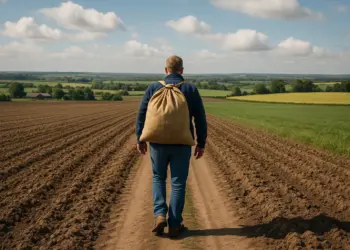
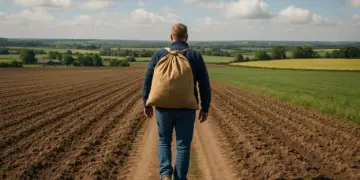
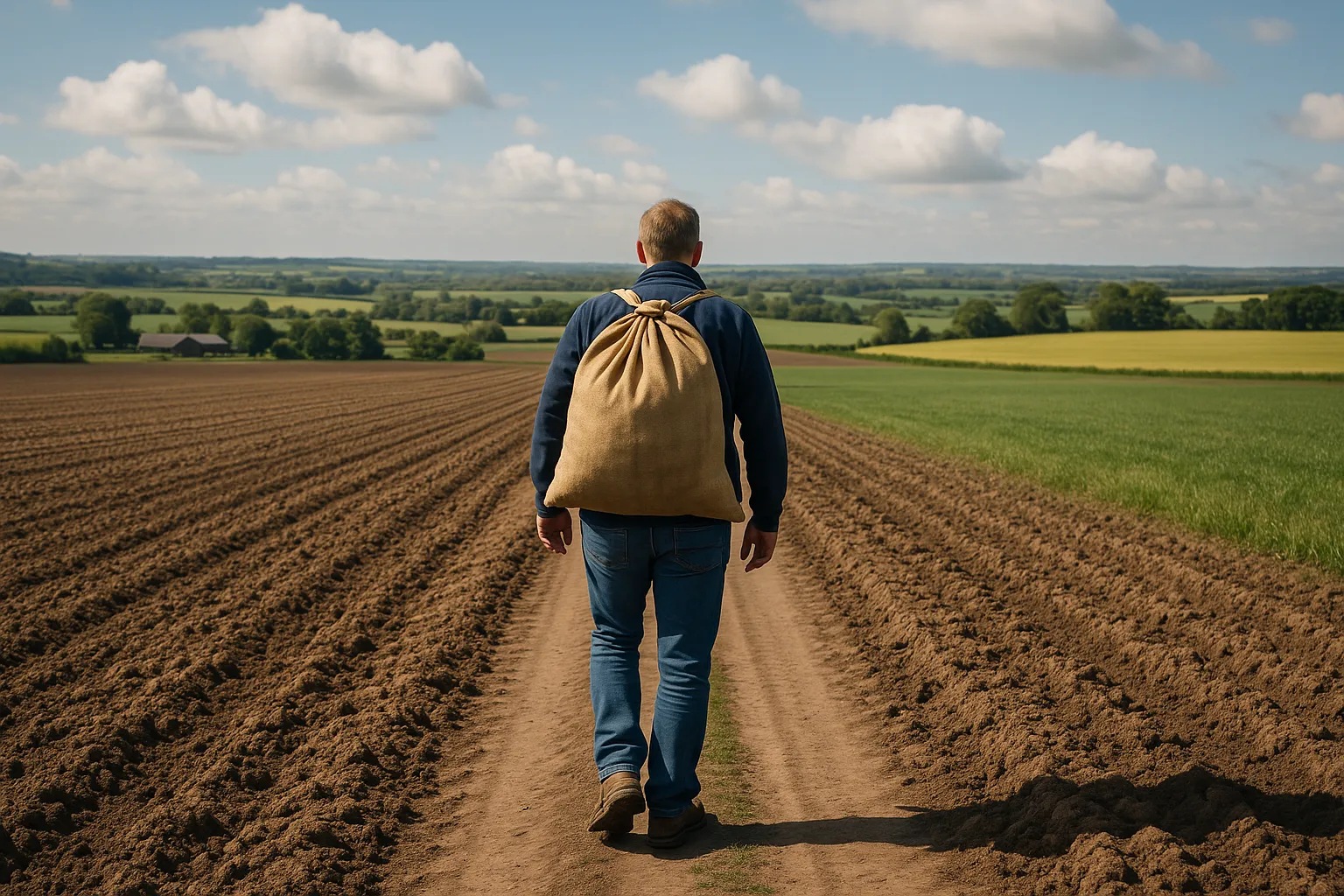
A UK farmer has undertaken a remarkable journey to highlight the escalating mental health crisis within the agricultural sector. Sam Stables, a 46-year-old suicide survivor, walked 142 miles from Herefordshire to London with a backpack, aiming to raise awareness and call for increased governmental support for farmers grappling with significant psychological pressures.
Stables, who is also a father of two, managed to secure nearly £50,000 through his trek, pledging these funds towards initiatives designed to assist young farmers facing challenges from a multitude of stressors described as a “perfect storm.” In an industry already beleaguered by economic difficulties and unpredictable weather patterns, Stables indicated that without substantive changes, the lives of many farmers could be at risk.
Fourteen years ago, Stables faced a personal crisis that eventually led him to establish the charitable organisation We Are Farming Minds. Recently, he reported an alarming doubling in calls to the charity’s helpline over the past year, reflecting an urgent need for mental health support within the farming community. The pressures of the job have been compounded by new financial uncertainties, particularly regarding the Family Farm Tax announced in the 2024 Budget, which imposes a 20% inheritance tax on agricultural assets exceeding £1 million starting in April 2026.
In light of these challenges, the Treasury responded in December 2023 by raising the tax threshold to £2.5 million. This move followed warnings that many farming families would be forced to sell their land to meet tax obligations, potentially jeopardising national food production. In response to ongoing concerns, the Daily Express has advocated for the tax’s complete abolition as part of its campaign to “Save Britain’s Family Farms.”
As a tenant farmer on Duchy land, Stables joined forces with the Farm Safety Foundation to raise awareness about the mental health struggles faced by many in agriculture. Recent statistics from the Office for National Statistics (ONS) revealed that 47 farmers across England and Wales took their own lives in 2024, marking a 7% increase from the previous year. “This is my attempt to show the rest of the country the burden that farmers are carrying every day,” Stables stated. He stressed the need for greater recognition of the farming community’s contributions to the nation, warning, “once it’s gone, it’s gone.”
Despite his passion for farming, Stables revealed that the long hours and solitude took a toll on his mental wellbeing, eventually leading him to contemplate suicide. “I just didn’t want to be here,” he recalled. Thankfully, he was rescued and received help, largely through connecting with others who shared similar feelings and learning to cope with the challenges prevalent in the sector.
Stables emphasised the importance of encouraging future generations to engage with farming, stating, “this walk is raising money for the National Federation of Young Farmers’ Clubs because I don’t want the difficult situation we’re in at the moment to discourage future generations from getting involved.” His sentiment highlights the unique relationship farmers have with the land, positioning them as custodians of vital natural resources.
High-profile support for Stables’ cause includes a donation of £5,000 from the Prince of Wales, who serves as a patron of We Are Farming Minds. “Keep going, Sam! You’re doing an amazing job!” Prince William expressed on social media, underscoring the importance of this campaign.
Other farmers like Dean Arnold, 54, from Wales, also highlight the pressing need for mental health advocacy within the sector. Arnold, who splits his time working as a plant mechanic to support his family’s farm, encountered his own mental health crisis approximately 27 years ago. At that time, the pressures of farming left him contemplating suicide. Arnold shared the importance of talking openly about one’s struggles, illustrating how a simple conversation with a friend helped him significantly.
Although Dean’s farm will not be affected by the recent inheritance tax changes, he described the current financial climate as the “worst place, money wise and stress wise” he has ever experienced. He lamented that while the government has made adjustments to the inheritance tax, the broader uncertainties facing farmers remain unresolved. “We don’t know what’s going to be thrown at us next,” he stated, recognising the cumulative stress this creates.
Caitlin Riddell, 35, from Northumberland, poignantly recounted her own mental health battles exacerbated by the demanding farm lifestyle. After dedicating herself to early mornings and long hours, the emotional exhaustion led her to attempt suicide in March 2019. She later became involved with the charity Yellow Wellies, dedicated to promoting mental health awareness in agriculture, motivated by her desire to ensure others do not endure the same isolation she faced. “I’m so grateful that I was given that second chance,” she remarked, acknowledging the significant time it took to recover.
Stephanie Berkley, manager of the Farm Safety Foundation, spoke about the pressing need for dialogue surrounding farmers’ mental health, especially in light of the adverse impacts associated with the industry. She noted that over 54% of farmers work more than 81 hours per week, stressing the extraordinary pressures they face. “Being stoic and hardworking also keeps them quiet,” she noted, calling for urgently needed conversations about mental health challenges in farming.
A representative from Defra responded to the issue, emphasising that farmers are crucial to ensuring food security and environmental health in the UK. “Their mental health and wellbeing matters,” the spokesperson stated, reiterating the government’s commitment to facilitating access to support when required.
Our Thoughts
The article highlights a significant mental health crisis among farmers in the UK, with reports of increased suicides. Key safety lessons from this situation include the need to prioritize mental health alongside physical safety in agricultural practices. Initiatives could have been implemented to foster a more supportive environment, such as regular mental health assessments and promoting open communication about emotional well-being.
Relevant regulations, such as the Health and Safety at Work Act 1974, stipulate that employers must ensure the health and safety of workers, including psychological health. Breaches may involve inadequate attention to workplace stressors and insufficient support systems for mental health issues. The government and agricultural organizations must enhance their support frameworks, ensuring farmers have access to mental health resources, especially amid economic pressures and changing regulations.
Preventive measures could involve training for farmers on stress management, awareness campaigns, and improved access to mental health services. Additionally, establishing peer support networks could alleviate feelings of isolation, enabling open discussions about mental well-being within the farming community.