















Story Highlight
– 47 farmers’ suicides recorded in 2024, a 7% increase.
– Mind Your Head campaign promotes mental health awareness.
– Farming community’s wellbeing lags behind UK averages.
– Isolation and pressure contribute to mental health crisis.
– New eLearning module aims to prevent farmer suicides.
Full Story
Farmers across the UK face mounting challenges that are taking a severe toll on their mental health. Recent data reveals a distressing trend: 47 individuals within the agricultural sector took their own lives in 2024. This figure, highlighted by the Farm Safety Foundation, marks a 7% rise compared to 2022 and is part of a larger conversation around mental wellbeing in farming. As the charity initiates its ninth annual Mind Your Head campaign, it seeks to address these issues, which it describes as one of the most significant hidden problems in the industry.
The Mind Your Head campaign aims to stimulate critical conversations, equip those in agriculture with vital skills, and enhance support networks amongst farmers, rural organisations, and Young Farmers Clubs. The ongoing campaign hopes to create an environment in which dialogue about mental health becomes more common and acceptance prevails.
Statistics from the Office for National Statistics indicate a stark reality concerning mental health within farming. The research using the Warwick-Edinburgh Mental Wellbeing Scale shows farmers experiencing overall wellbeing that falls below the national average. The most notable decline in mental health seems to occur in those aged over 40, especially among the traditionally resilient demographic of individuals aged 61 and above.
Stephanie Berkeley, who manages the Farm Safety Foundation, underscores the distinctive pressures that contribute to the mental health crisis in agriculture. She insists that while public discourse often revolves around sensational topics, such as controversies regarding inheritance tax, the core issues affecting farmers have existed for much longer.
Berkeley explains that the portrayals of farmers in popular culture, such as those depicted in tractor protests or reality shows like Clarkson’s Farm, fail to reflect the true struggles faced by those in the industry. “Public perceptions of farming today have been shaped by those tractor protests in London, by Clarkson’s Farm, by images of farmers living in big houses. But actually, those images could not be farther from the truth,” she said.
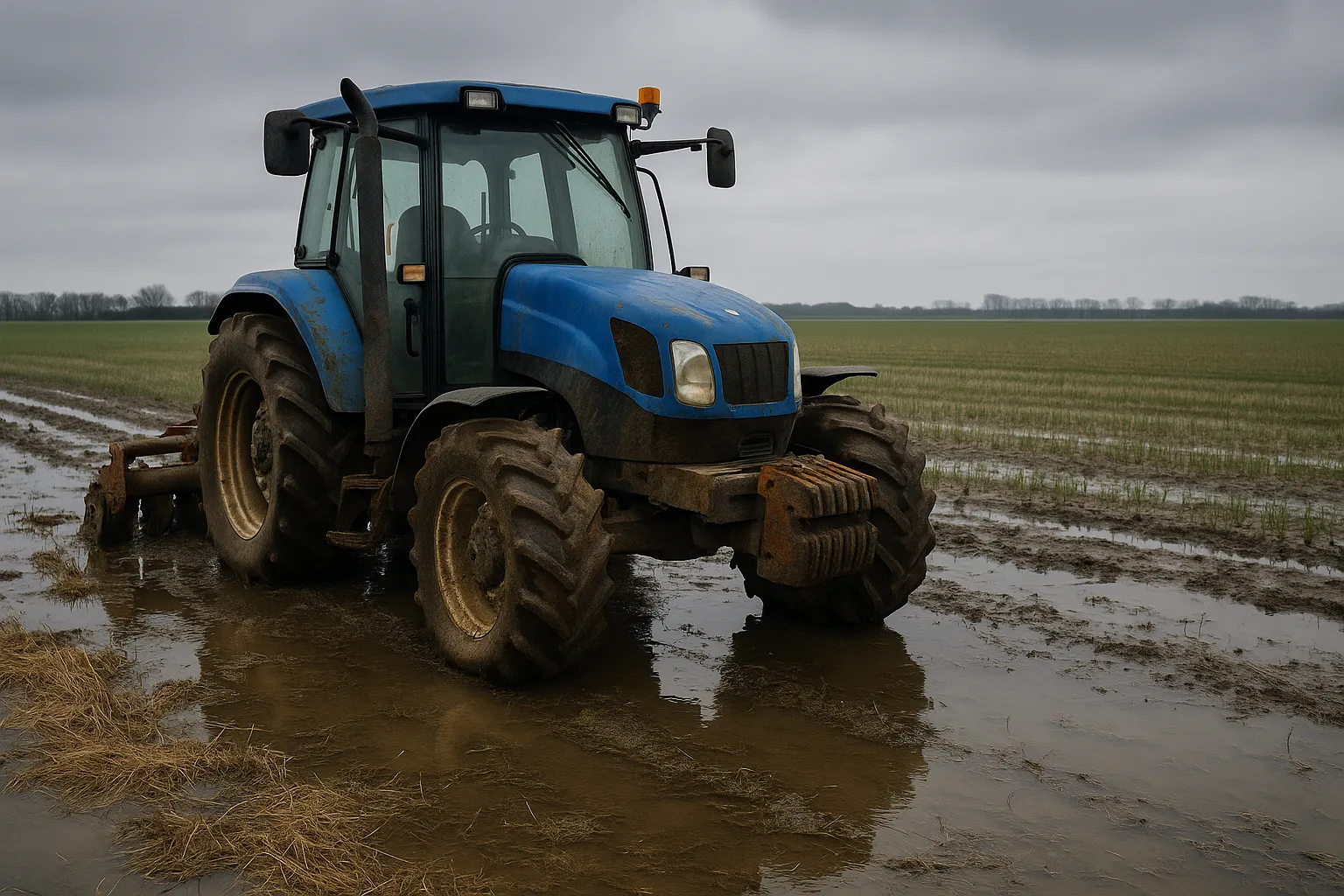
In reality, farming is often characterised by prolonged isolation, intense workloads, and family strife. The unpredictability of the weather particularly compounds these stresses. For instance, farmers in regions like Somerset are currently managing flooded fields, entailing further financial burdens as crops deteriorate. “We know we’re going to be getting weather coming from Portugal and Spain next week, so the barley that they’ve planted is sitting there rotting in their fields,” Berkeley adds. Traditional methods of communication are dwindling, as many administrative tasks, from banking to compliance, shift online, leaving individuals with fewer avenues for social interaction.
This isolating atmosphere leads to a “toxic mix” of mental health challenges. Farmers describe their stress levels as akin to a bucket that, when filled to three-quarters capacity, can withstand several of the industry’s inherent pressures. However, when faced with additional burdens such as bereavement, health issues, or severe weather, that “bucket” often overflows, leading to increased feelings of depression and anxiety.
The Mind Your Head campaign surveys these difficulties with the aim to not only raise awareness but also challenge the stigma surrounding mental health and suicide. It seeks to “sow the seeds of wellbeing” across the farming community. Berkeley expressed this mission succinctly: “The campaign’s about raising awareness of all of the challenges that are facing the UK’s farming industry.”
Moreover, the initiative aspires to empower individuals to have conversations regarding mental health and suicide prevention. Berkeley emphasises the importance of encouraging dialogue around these subjects, noting that “there is help out there.” She believes building confidence in starting these conversations is crucial for creating an atmosphere where individuals feel supported and valued.
She addressed perceptions of government engagement, suggesting while farmers do not feel directly targeted, they desire more consultation on matters affecting their lives and livelihoods. A recent event in Parliament saw cross-party members discussing these agricultural issues, sharing valuable research and exploring ways to support their constituents.
“There is a sense of progress with the government listening, and that is an encouraging sign,” Berkeley remarked. Many farmers, whom she affectionately refers to as the “fifth emergency service,” have shown exceptional commitment to their communities, often prioritising collective needs over their own wellbeing during crises such as severe weather events.
Berkeley urges society to consider the significance of farmers and the hardships they endure for every meal on people’s plates. “If you sit down this evening to a meal – if you’re lucky enough to do that – think about what the farmer has to go through to put that food on your plate,” she implores. The loss of farmers to mental health struggles or tragic accidents, she argues, must galvanise public support for the agricultural community.
A particularly notable highlight of this year’s campaign is a 142-mile solo trek by farmer Sam Stables from Ross Market to the Farmers Club in Westminster. This journey is a poignant representation of the isolation faced by those in the farming sector. Additionally, the charity is launching an educational eLearning module on suicide awareness and prevention, developed in conjunction with The Royal Foundation and Baton of Hope. This module will aim to equip farmers with the skills to recognise warning signs and employ supportive communication, with clear pathways to help available within the sector.
Karen Hodgson, an associate director at The Royal Foundation, expressed pride in supporting initiatives aimed at collaboration in suicide prevention efforts, spotlighting the importance of reaching communities in need.
With additional support systems emerging, including the appointment of dedicated suicide prevention leads by Scottish charity RSABI and Northern Ireland’s Rural Support, momentum is building in the realm of mental health support. The importance of these discussions was recently underscored by The Prince of Wales at a roundtable, which solidified suicide prevention as a key focus for the future.
The notion of community and human connection is paramount, as highlighted by Berkeley’s personal experiences. “We do need to stay connected. It might take us out of our comfort zone, but we do have to make the effort, because this is about human contact. The campaign is about humanity. It’s about people.”
For those struggling, resources such as the Samaritans are available around the clock, offering a vital lifeline. By fostering a robust network for support and awareness, the Mind Your Head campaign hopes to make a significant difference in both the lives of farmers and the communities to which they contribute.
Our Thoughts
The troubling rise in suicides among farmers highlights several missed opportunities for preventative measures under UK health and safety legislation.
Firstly, the Management of Health and Safety at Work Regulations 1999 require employers to assess risks, including mental health. Stakeholders in the agricultural sector could implement job risk assessments that include mental well-being, providing supervised support systems and access to counselling.
Secondly, the Health and Safety at Work Act 1974 mandates employers to ensure the health, safety, and welfare of employees. This could involve creating a culture within farming communities that prioritizes psychological safety, encourages open conversations about mental health, and mitigates isolation through regular community engagement.
Additionally, the emphasis on mental well-being must be integrated into training programs, ensuring that farmers are equipped with the skills to recognize signs of distress in themselves and others, as promoted in the recent ‘Suicide Awareness & Prevention’ eLearning module.
Finally, fostering collaboration between local organizations and support networks can combat rural isolation, which has been identified as a contributing factor to mental health crises. By addressing these factors proactively, the farming community can better safeguard its members’ mental well-being and reduce the stigma surrounding mental health issues.