













Story Highlight
– Flying Tiger recalls glasses due to high lead levels.
– Customers advised to stop using recalled glasses immediately.
– Refunds available at nearest Flying Tiger store.
– Elevated cadmium levels exceed EU safety limits.
– Harmful metals can cause serious health issues.
Full Story
A significant product recall has been announced by Flying Tiger Copenhagen, the popular discount store known for its eclectic range of affordable items. This recall is motivated by the discovery of excessive levels of two harmful substances, lead and cadmium, in specific glassware products sold across the UK.
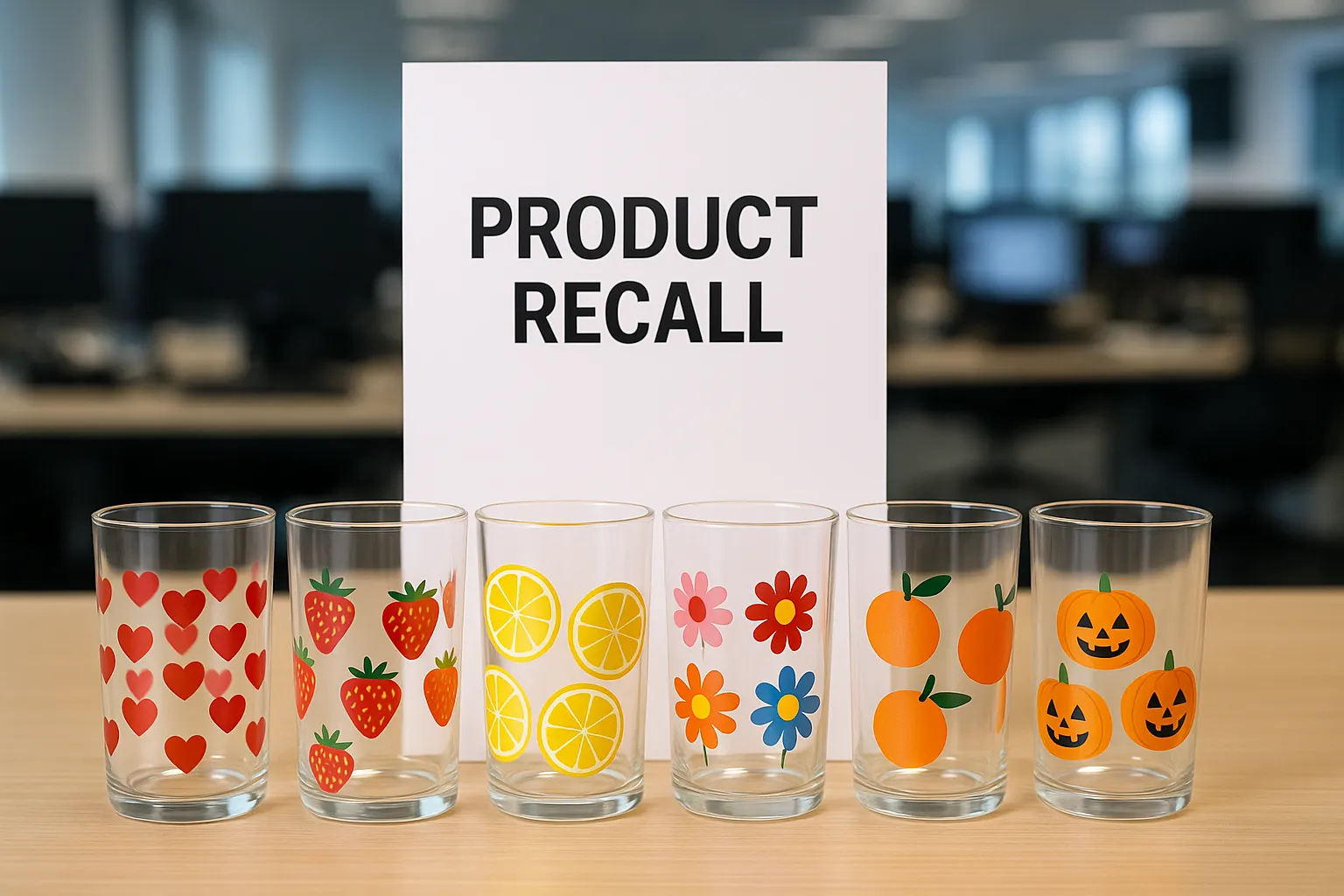
In a notice posted on their official website, the retailer informed customers that six different designs of drinking glasses would be withdrawn from their shelves. The announcement comes in response to tests revealing that the concentrations of lead and cadmium in the printed designs exceed European Union safety limits for products that come into contact with food. As a precautionary measure, the company has advised customers to cease using these glasses immediately and return them to any Flying Tiger store to receive a full refund.
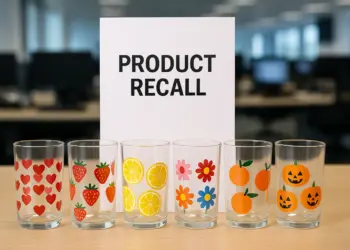
The recalled items are as follows:
1. **Glass Drinking 220ML With Small Red Hearts**, item number 3052986, introduced in January 2024.
2. **Glass Drinking 220ML Strawberry**, item number 3053912, available since February 2024.
3. **Glass Drinking 220ML Lemons Yellow**, item number 3055350, released in May 2024.
4. **Glass Drinking 220ML Single Flowers Mixed Colours**, item number 3060031, launched in January 2025.
5. **Glass Drinking 220ML Ranges**, item number 3062993, sold since May 2025.
6. **Glass Drinking 220ML Pumpkin Print**, item number 3057450, available from August 2024.
Flying Tiger stated, “Elevated levels of lead and cadmium were detected in the print on the outside of the glasses. Analysis revealed that the release of these substances exceeds the permissible EU limits for materials in contact with food and therefore further use of the product should be stopped.” The company emphasized its commitment to consumer safety, asserting that it prioritises ensuring the quality of its products and acts swiftly to resolve any compliance issues that arise.
Understanding what constitutes a product recall is essential in this case. A product recall occurs when a manufacturer requests that consumers return, exchange, or dispose of a product due to identified safety concerns, contamination, or erroneous labelling that could pose risks to consumers. This process is crucial for preventing harm and upholding safety regulations while ensuring manufacturers take responsibility for their products.
Lead and cadmium are both heavy metals that pose potential health risks upon exposure. These elements can accumulate in the body over long periods—decades in some cases—leading to serious health conditions affecting the kidneys, heart, and cognitive functions. They are commonly found in the environment, as well as in certain foods, including dark chocolate, leafy greens, and root vegetables.
The UK Health Security Agency has provided informational resources regarding cadmium’s health impacts. Their information highlights that mere presence of cadmium in the environment does not automatically lead to exposure or health issues; actual contact is necessary for adverse effects. Potential exposure can occur through inhalation or ingestion. According to the Agency, “Following exposure to any chemical, the adverse health effects you may encounter depend on several factors, including the amount to which you are exposed, the method of exposure, the duration of exposure, the form of the chemical, and any additional chemical exposure.”
Short-term exposure to cadmium can lead to gastrointestinal irritation with symptoms such as nausea and diarrhoea, while prolonged exposure may have far more severe consequences. These may include kidney and bone damage and, in extreme cases, an increased risk of cancer. Cadmium can also cause skin irritation with direct contact, further illustrating the need for vigilance regarding products that may contain this harmful substance.
For consumers, the message is clear: if you own any of the recalled drinking glasses, discontinue use immediately. The retailer encourages shoppers to return the items to their nearest outlet to ensure they receive a complete refund.
Flying Tiger also reassured shoppers of its dedication to product safety and quality, stating, “It is essential to us that our customers trust the quality and safety of our products.” The announcement serves as a reminder of the importance of regulatory compliance and the ever-watchful eyes of consumer safety agencies that work to protect public health.
This recall echoes past instances in which product safety has come under scrutiny, shining a light on the ongoing challenges faced by retailers in maintaining compliance with stringent safety regulations. Customers are advised to remain vigilant and informed about the products they purchase, as well as the safety standards that govern them.
As awareness grows about the risks associated with hazardous materials in consumer products, companies like Flying Tiger are expected to respond proactively to any potential threats to consumer safety. Customers should not hesitate to bring any concerns about product safety to the attention of store management or regulatory agencies.
Our Thoughts
The incident involving Flying Tiger Copenhagen highlights several areas where adherence to UK health and safety regulations could have been improved to prevent the recall of glasses with harmful lead and cadmium levels.
1. **Product Safety Compliance**: There appears to have been a breach of the General Product Safety Regulations 2005, which mandate that products must be safe for use. Regular safety assessments should be conducted to ensure compliance with both UK and EU safety standards before products reach the market.
2. **Supplier Management**: Strengthening supplier vetting processes could mitigate risks. Implementing a robust quality assurance system involving regular testing of materials for hazardous substances, in line with the Chemicals (Hazard Information and Packaging for Supply) Regulations 2009, would help ensure that all materials used in products meet safety standards.
3. **Consumer Communication**: The recall process, despite being reactive, highlights the need for proactive communication strategies to inform consumers about potential risks earlier. Enhanced labelling and clear usage instructions could help ensure consumers are well-informed.
4. **Risk Assessments**: Conducting thorough risk assessments during the design and sourcing stages, in accordance with the Health and Safety at Work Act 1974, would proactively identify potential hazards, ensuring safer products in the market.
Implementing these measures could significantly reduce the likelihood of similar incidents in the future.