









Story Highlight
– Multiple food recalls issued by the Food Standards Agency.
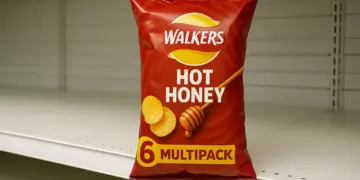
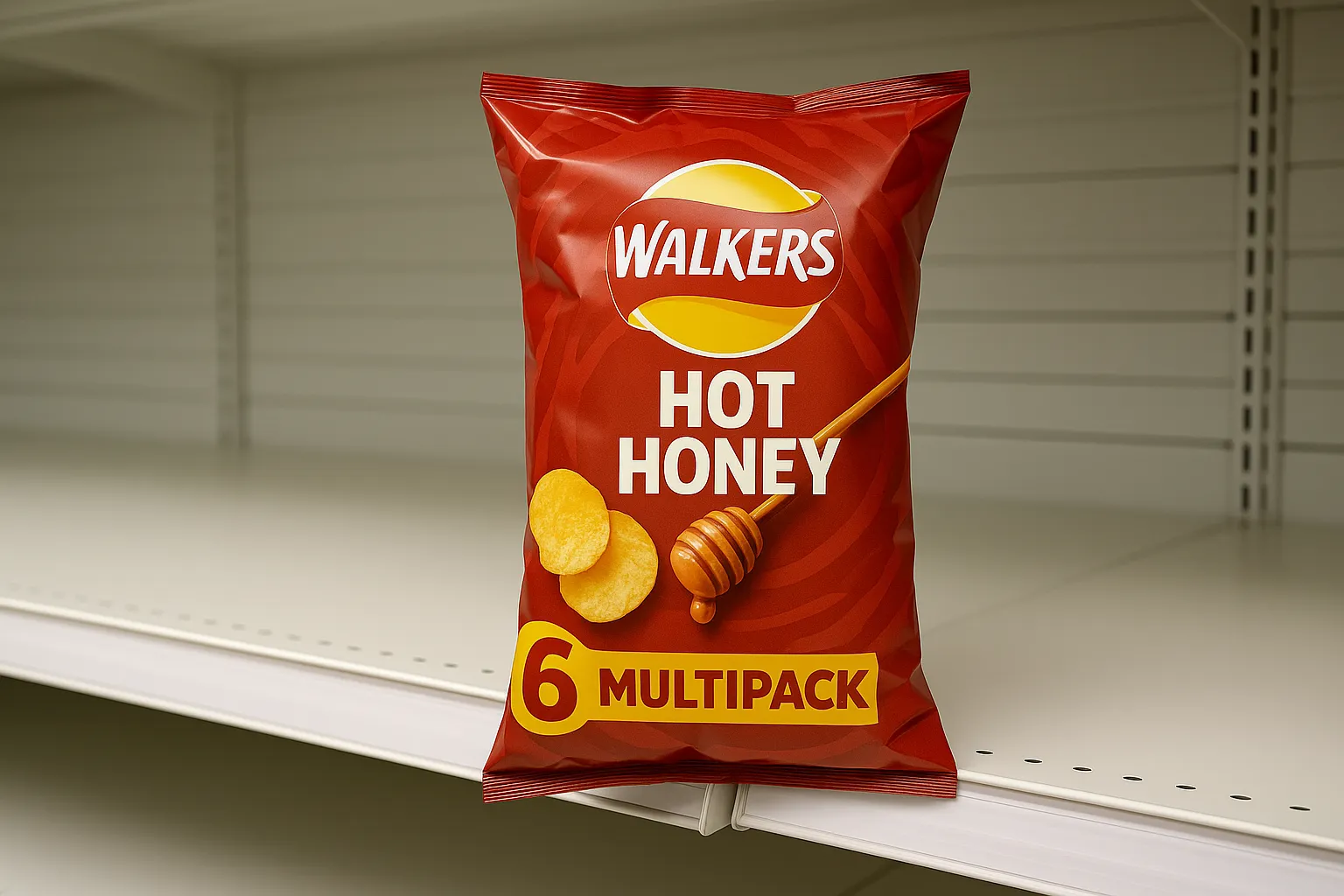
– Walkers recalls Hot Honey crisps due to allergen risk.
– Lidl recalls snacks for possible foil contamination.
– Danone’s baby formula recalled due to toxin concerns.
– TK Maxx recalls drinks for unlisted allergens.
Full Story
Food recalls have been announced across the UK, prompting the Food Standards Agency (FSA) to issue “do not eat” advisories for several products that may pose health risks to consumers.
A variety of items sold in numerous supermarkets and retailers are currently under recall, and the FSA urges customers who have purchased any affected goods to heed the warnings and adhere to the guidelines provided.
### Overview of Current Food Recalls
**Walkers Crisp Recall**
The popular snack brand Walkers has undertaken a recall of its six-pack of Hot Honey crisps due to potential mislabeling. Shoppers are advised against consuming the product, which has been identified with a best before date of May 16, 2026 and carries the batch code GBB 584 031. The recall stems from the possibility that these crisps may contain Mild Cheese & Onion seasoning that includes undisclosed milk, posing a significant risk to individuals with milk allergies.
In a statement, Walkers noted, “Although this product includes precautionary allergen labelling for milk, milk is not included in the ingredients list and therefore the product poses a risk to people with an allergy to milk.” Consumers who have purchased this item should refrain from eating it and reach out to the company for a full refund by calling the Consumer Care Line at 0800 274 777 or visiting contact.pepsico.com/walkers. A representative from PepsiCo added, “No other Batch Codes on this Best Before Code are affected… The quality and safety of our products is of paramount importance to us.”
**Lidl Snack Product Recall**
In a separate incident, Lidl has issued an apology following the recall of its Snaktastic Multigrain Bites in the Sour Cream & Black Pepper variant. These products have been flagged due to the potential presence of pieces of foil. The recalled items bear a best before date of April 4, with a batch number of 207 345. The FSA highlighted that point of sale notices will be prominently displayed in stores selling this product, offering clear guidance to customers who have purchased it.
Consumers are encouraged to return the affected product to any Lidl GB location for a full refund. Information can also be obtained through Lidl GB’s Customer Care team at 0203 966 5566 or via email at customer.care@lidl.co.uk. A spokesperson from Lidl reassured consumers that “No other Snaktastic products in Lidl GB stores are affected by this recall.”
**Aptamil Baby Formula Recall**
Parents are being warned against the use of a specific batch of Aptamil First Infant Formula, produced by Danone, due to the potential presence of cereulide toxin. This toxin can lead to symptoms such as nausea and vomiting, making it unsafe for consumption. The product in question has a best before date of October 31, 2026, and was sold earlier in the year from May to July.
Danone confirmed that consumers with this batch should return it to the point of purchase, with or without a receipt, for a full refund. The FSA also emphasized the need for parents to cease using the product immediately and consult healthcare professionals if they have concerns regarding its impact on their child’s health. A Danone representative acknowledged the issue and reiterated that no other batches are affected.
**TK Maxx Drinks Recall**
In another alert, TJX Europe has recalled a selection of drinks from their Ten Acre Gifts/Coffee Syrup collection, which were sold at TK Maxx and Homesense between October 2025 and January 2026. These items may contain undeclared allergens including nuts, peanuts, soya, and wheat, which could pose potential health risks to individuals with allergies.
The FSA noted the importance of contacting relevant allergy support organisations, while reiterating that consumers should return any affected products back to the store for a complete refund. For further inquiries, customers can reach out via customerservice@tjxeurope.com or call 01923473561.
### What to Do in Case of a Recall
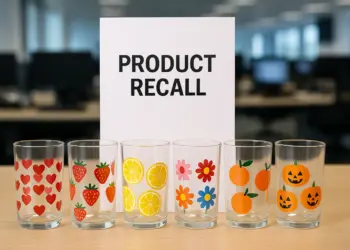
A food recall occurs when a product is deemed unsafe for consumption, prompting it to be removed from shelves. The Food Standards Agency plays a crucial role by issuing Product Withdrawal Information Notices and recalls, keeping both consumers and local authorities informed about potential hazards.
In some cases, more urgent action may require a “Food Alert for Action” notification to facilitate swift response measures at the local level.
### Conclusion
As food recalls proliferate, consumers are strongly encouraged to remain vigilant regarding their purchases and adhere strictly to FSA advisories. Such proactive measures are essential to prevent potential health risks, particularly for those with specific allergies or dietary restrictions. Always check for the latest updates regarding food safety and product recalls to ensure the wellbeing of yourself and your family.
Our Thoughts
To prevent the incidents highlighted in the recent food recalls, several measures could have been implemented. Firstly, improved allergen management systems are crucial. Companies must ensure accurate labeling of ingredients in compliance with the Food Information Regulations 2014, which mandate that allergens must be clearly declared on packaging. In the case of Walkers, the mislabeling of milk allergen poses significant health risks to consumers with allergies.
Additionally, the implementation of rigorous quality control processes could have mitigated the recall of foiled pieces in Lidl’s Multigrain Bites and the presence of toxins in Danone’s baby formula. The Food Safety Act 1990 outlines the requirement for food businesses to ensure that food is safe for consumption, emphasizing the necessity of robust quality assurance procedures.
To prevent similar incidents, businesses should regularly train staff on food safety standards and allergen awareness, foster a culture of safety, and ensure effective communication channels within the supply chain. Transparent product recall procedures, as described in the FSA guidance, are also essential for swiftly addressing any potential safety concerns.