












Story Highlight
– FSA warns against consuming certain food products nationwide.
– Tesco recalls dessert over potential plastic contamination.
– M&M’s Pipoca recalled due to undeclared allergens.
– Nine porridge products recalled for possible mouse contamination.
– Aptamil formula warned for potential toxin presence.
Full Story
The Food Standards Agency (FSA) has recently announced a series of product recalls across the UK, advising consumers to refrain from consuming several items due to safety concerns. These recalls encompass a range of products, including porridge, desserts, and snacks, which may pose various health risks.
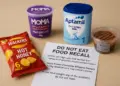
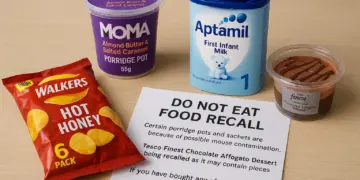
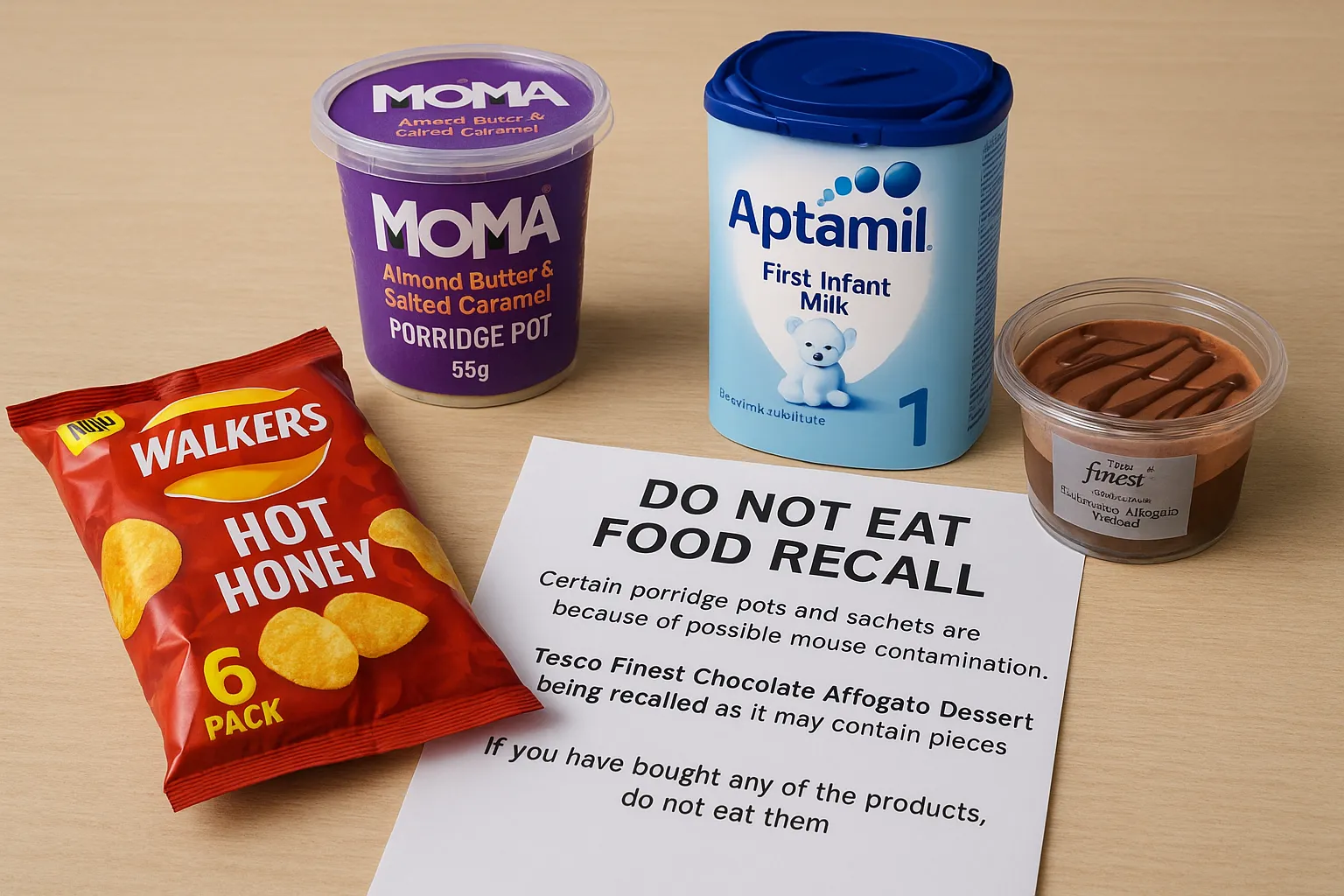
One significant recall involves certain brands of porridge, linked to possible mouse contamination. MOMA Foods has voluntarily recalled nine varieties of porridge sold in major supermarkets, including Tesco, Sainsbury’s, and Morrisons. This action follows concerns raised regarding contamination at the manufacturing facility. The FSA has issued a clear public health warning stating, “do not eat the affected products,” urging consumers instead to return any purchased items for a full refund.
The specific products affected range from almond butter porridge pots to classic flavours like apple and cinnamon, with various packaging sizes included. In a precautionary statement, MOMA Foods acknowledged that while the likelihood of contamination is low, the company is prioritising consumer safety by undertaking this recall.
In addition to porridge, a dessert item from Tesco has sparked similar concerns. The supermarket chain has issued a recall for its Tesco Finest Summer Edition Chocolate Affogato Dessert due to potential contamination with plastic pieces. The dessert, which is popular with shoppers, is subject to this recall across all date codes up until April 2027. A Tesco spokesperson has reassured customers: “If you have purchased the affected product, please do not eat it and instead return it to any Tesco store for a full refund.” Customers are advised that no receipt is required for the return.
The FSA has also highlighted a recall concerning M&M’s Pipoca (popcorn) chocolate. This product is being withdrawn from sale because it contains allergens, including peanuts and gluten, that are not declared on the UK packaging. Manufactured for the Brazilian market, the affected bags must carry a 3D Trading ingredients label for the recall to apply. The FSA has recommended consumers with known allergies to avoid consuming the product and return it to the retailer for a refund.
Walkers, the well-known crisp manufacturer, is facing scrutiny as well, following the reveal that its Hot Honey six-pack crisps could potentially contain dairy ingredients due to mislabeling. Although precautionary allergen information for milk is present on the packaging, the ingredient list fails to mention milk, creating a health risk for individuals with milk allergies. The recall covers a specific batch with a best before date of May 16, 2026. Customers are encouraged to return this item to the store of purchase for an appropriate refund.
In a concerning development for parents, Danone has recalled its Aptamil First Infant Formula, which may contain cereulide toxin—a substance potentially harmful to infants. This toxin, associated with Bacillus cereus, is resistant to heat and can lead to serious gastrointestinal disturbances. The batch in question has a best before date of October 31, 2026, and purchasers are urged to halt usage immediately and seek a refund where necessary.
Furthermore, TJX Europe has initiated a recall of its Ten Acre Gifts/Coffee Syrup collection sold at TK Maxx and Homesense, due to the possibility of undeclared allergens, including nuts and gluten. This collection was available for purchase between October 2025 and January 2026 and includes items that may cause adverse reactions in allergy sufferers. The FSA has stressed the importance of returning any affected products to ensure consumer safety.
The pattern of these recalls has raised broader questions about food safety practices among manufacturers and retailers in the UK. The FSA has issued guidelines aimed at bolstering consumer safety, emphasizing the importance of transparency in food labelling. Retailers are encouraged to clearly inform customers of any allergens or contamination issues associated with their products. The FSA has taken proactive steps by disseminating recall notices and alerts across various platforms to keep consumers informed.
For those concerned about specific recalls, the FSA provides essential resources, including contact details for companies involved, allowing consumers to report issues, seek refunds, and obtain further guidance on food safety.
As these recalls unfold, consumers are reminded of their right to withdraw products that may pose health risks and to stay vigilant regarding food safety standards. The FSA plays a critical role in monitoring food safety in the UK, and public awareness of these recalls is vital for safeguarding health and wellbeing in the community.
In conclusion, this series of recalls serves as a critical reminder to consumers to remain aware of the products they purchase and to act promptly in the event of a safety alert. By returning affected items and seeking refunds, shoppers can play a part in reinforcing food safety measures and protecting themselves from potential health risks.
Our Thoughts
To prevent incidents of contamination and mislabeling as reported in the news article, several measures could be implemented:
1. **Enhanced Quality Control**: Implementing stricter quality assurance processes at manufacturing facilities to detect contaminants like rodents or foreign objects such as plastic. This aligns with the requirements of the Food Safety Act 1990 and HACCP principles.
2. **Regular Audits and Inspections**: Food manufacturers should conduct more frequent internal inspections and adhere to audits by external bodies to ensure compliance with health and safety regulations under the Food Safety and Hygiene (England) Regulations 2013.
3. **Label Accuracy**: Companies must ensure that all allergens are clearly stated on product labels, as per the requirements outlined in the Food Information Regulations 2014. This includes complete and accurate ingredient lists to prevent allergen exposure.
4. **Consumer Communication**: Better consumer alert systems could improve public awareness of recalls, emphasizing the importance of adhering to “do not eat” warnings.
5. **Training and Development**: Continuous training for staff on hygiene standards, allergen management, and contamination prevention would help mitigate risks.
Lessons learned from these incidents highlight the critical need for compliance with existing food safety legislation and responsive measures to ensure product safety.