

















Story Highlight
– Nick Hardiman, 54, died in lathe accident on December 8.
– Somers Forge Limited fined £750,000 for safety breaches.
– HSE found company failed to ensure safe practices.
– Handheld emery cloth misuse led to fatal injuries.
– Tragic incident deemed entirely preventable by HSE.
Full Story
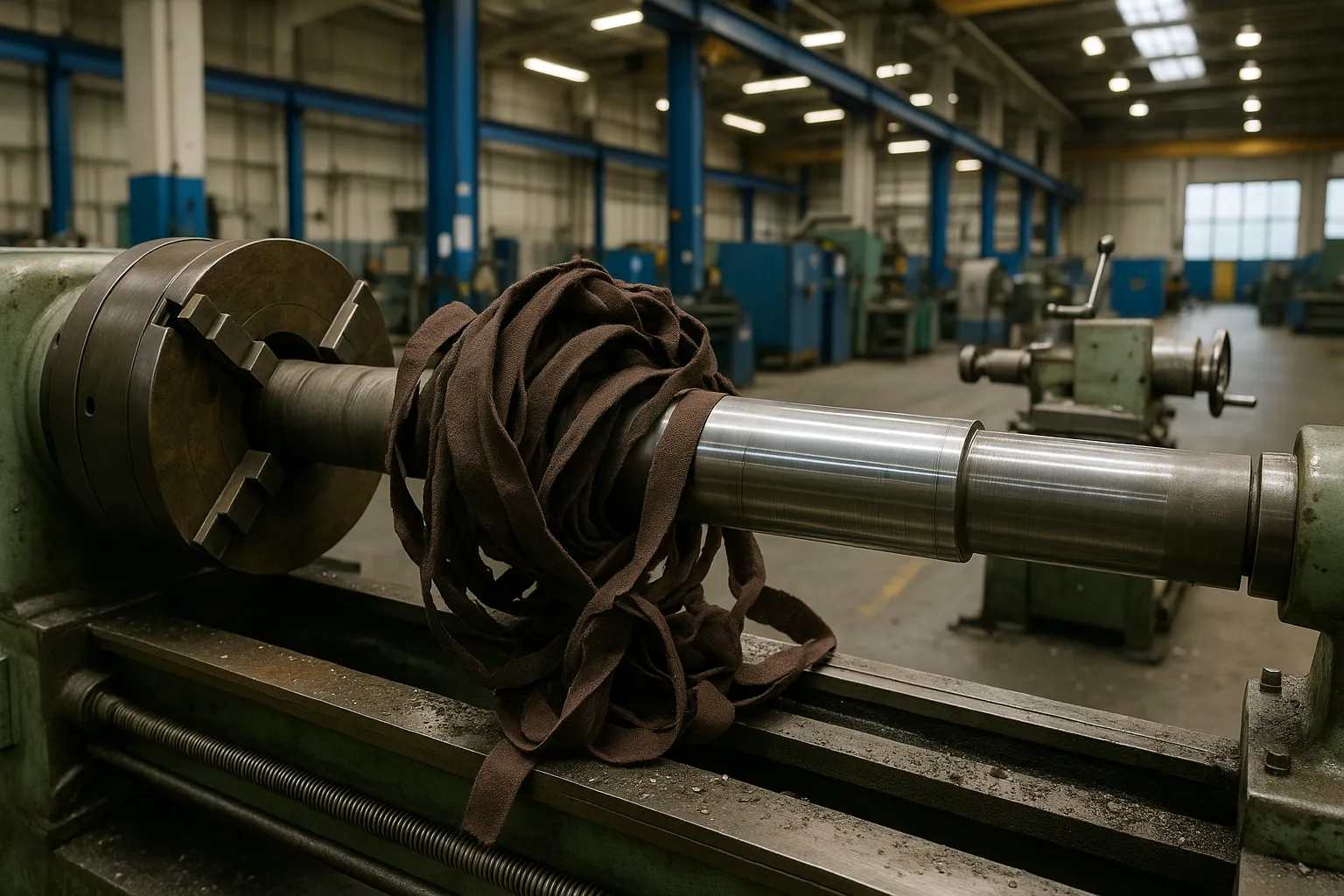
A Halesowen-based manufacturing firm has been fined £750,000 following the tragic death of an employee who suffered fatal injuries while operating machinery at their site. The incident occurred on 8 December 2023, involving Nick Hardiman, a 54-year-old machinist, who became caught in a lathe while employing handheld emery cloth for finishing a component.
Mr Hardiman, residing in Kidderminster, was working at Somers Forge Limited on Prospect Road when the unfortunate accident took place. The lathe in question, a substantial 20-metre machine, is designed for precision metalworking; however, the use of handheld emery cloth directly on its rotating components presents significant risks. During the operation, Mr Hardiman became entangled in the moving parts, resulting in serious injuries. Despite the immediate response from emergency services, he succumbed to his injuries later that same evening.
In the aftermath of the incident, an investigation conducted by the Health and Safety Executive (HSE) revealed several serious lapses in safety protocols at Somers Forge Limited. The regulator’s findings indicated that the company had failed to implement crucial safety measures, including:
– Prohibiting the use of handheld emery cloth on lathes,
– Preventing access to hazardous moving components,
– Ensuring that personal protective equipment (PPE) did not increase the risk of operator injury, and
– Conducting sufficient risk assessments or establishing safe operating procedures for the machine.
HSE guidelines explicitly stipulate that applying emery cloth by hand to a lathe’s rotating component is hazardous and should never be practised due to the potential for entanglement, which was highlighted in this tragic case.
During court proceedings at Walsall Magistrates’ Court on 18 February 2026, Somers Forge Limited accepted responsibility for breaching Section 2(1) of the Health and Safety at Work etc Act 1974. The fine handed down to the company, amounting to £750,000, reflects the severity of the offences, alongside an additional order to cover costs amounting to £38,314.
The impact of Mr Hardiman’s death resonates deeply within his family. His partner Melanie spoke emotionally about the profound loss, citing the joy and love they shared. “Nick had everything to live for – a loving home and a partner who adored him, family and friends, and a fulfilling life ahead of him. We used to have a life; now I just exist,” she said. Melanie went on to elaborate on her heartache, expressing how she yearns for the small moments they shared: “I will forever miss the sound of his voice, the smell of his aftershave, the feel of his cuddles and kisses, and the times we would spend together.”
Mr Hardiman’s family also expressed their grief. Siblings Robert, Glenis, Lorraine, and David conveyed their devastation, stating, “We can’t comprehend how someone can go to work and not come home again. Everyone is absolutely devastated.” Michael, his father, expressed a sense of pride mixed with sorrow, emphasizing that the family remembers Nick daily.
HSE Inspector Sophie Neale commented on the incident, stressing that such tragedies are preventable when proper safety measures are in place. “This was an entirely preventable incident which has had tragic consequences. Employers must ensure that safe systems of work are in place and that workers are not exposed to foreseeable risks from dangerous machinery. My thoughts are with Nick’s family and friends,” she remarked.
Chloe Ward, an enforcement lawyer for the HSE, alongside paralegal officer Stephen Grabe, oversaw the prosecution of Somers Forge Limited. Their work highlights the ongoing commitment of the HSE to uphold workplace safety and protect employees from harm.
The tragic loss of Nick Hardiman underscores the essential need for rigorous adherence to safety protocols in the workplace, particularly in environments involving heavy machinery. The HSE serves as the primary regulator for workplace health and safety in Britain, dedicated to promoting safe operational standards that prevent such occurrences.
As the construction and manufacturing sectors continue to evolve technologically, incidents like this serve as a sobering reminder of the human cost of negligence and the paramount importance of a strict safety culture.
In commemoration of Mr Hardiman’s life, family members and colleagues are likely to advocate for heightened awareness and improved safety practices within the workplace, aiming to prevent similar tragedies from affecting other families. The local community in Kidderminster mourns the loss of one of their own, reflecting on the broader implications such incidents carry for workers across various industries.
For further information regarding workplace health and safety, including guidance on safe practices when operating machinery and using tools like emery cloth, please refer to the HSE’s published materials.
Our Thoughts
The tragic incident involving Nick Hardiman at Somers Forge Limited highlights critical failures in health and safety practices that could have been avoided. Key safety lessons include the necessity of prohibiting unsafe practices, as evidenced by the inappropriate use of handheld emery cloth on lathes. The company failed to implement adequate barriers or safeguarding measures to prevent access to moving machinery parts, violating the requirements of the Health and Safety at Work etc. Act 1974, specifically Section 2(1), which mandates employers to ensure employee safety.
Additionally, the absence of a suitable risk assessment and established safe operating procedures for the lathe represents a significant oversight, contravening HSE guidance. To prevent similar incidents, companies must rigorously adhere to safety protocols, provide proper training to employees, and enforce the use of alternative methods that do not involve direct manual handling of potentially dangerous items. Regular audits and proactive safety culture assessments are also essential to identify and mitigate risks associated with machinery use in the workplace.