












Story Highlight
– Former soldier Miles Cross sold poison online for £100.
– Cross sentenced to 14 years for assisting suicides.
– Investigations began after a customer used the poison.
– Police discovered Cross’s extensive online activity and deception.
– Victims’ families expressed deep emotional trauma from deaths.
Full Story
**Former Soldier Sentenced for Assisting Suicides through Online Poison Sales**
A former soldier has received a 14-year prison sentence after being found guilty of aiding suicides by selling packages of poison online for £100. Miles Cross, age 33, was apprehended during a police raid on his flat in Wrexham, North Wales, on January 13, 2025. His arrest followed the tragic suicide of one of his customers, prompting investigators to scrutinise his activities more closely.
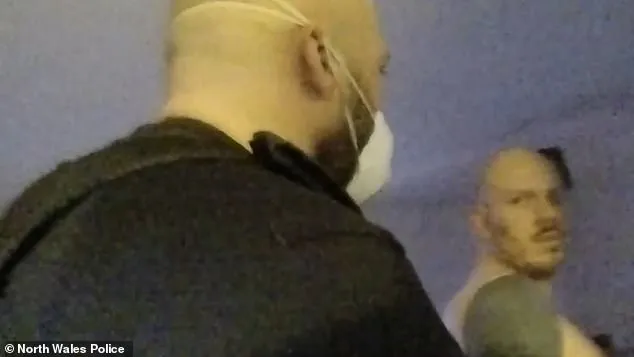
Cross, who previously held military service, seemed taken aback when law enforcement officials forcibly entered his residence. Authorities revealed that he believed he had securely concealed his identity from the individuals he interacted with on a suicide forum. However, the death of a 53-year-old father, attributed to the poison he had purchased, unveiled Cross’s operation and led to an investigation, linking him to the sale through financial records.
Having confessed to four counts of assisting suicide, Cross established an online business offering a lethal substance—its name withheld for legal reasons—targeting vulnerable individuals. In July 2024, he adopted the alias ‘hiddenpain’ as a disguise, sharing an image of the poison and an unsettling message about the UK’s regulatory environment: “Finally acquired everything for (poison) method… things being on my terms now is the only bit of relief I have had for a long time.”
Throughout a five-week period in August and September 2024, Cross dispatched packages to four clients across the UK, each transaction amounting to £100. Arrest video footage captured Cross, visibly distressed and without a shirt, denying any wrongdoing initially. During police interrogations, he maintained his innocence, refusing to disclose information about his customers or to cooperate further.
Investigators were uncertain how many individuals had received the harmful substance from Cross until they traced transactions linked to his accounts. Records indicated he sent the poison to Shubhreet Singh, a 26-year-old from Leeds, on August 22, 2025. Tragically, her lifeless body was discovered in an AirbnB ten days later, the result of ingesting the toxic substance. Messages exchanged between Singh and Cross, as well as proof of payment, were found on her device, indicating that Cross had actively engaged in assisting her.
The prosecution rejected claims that Cross had sought out the online forum due to his own suicidal ideations. They argued that his prior planning—evidenced by the establishment of bank accounts and contact methods—contradicted his assertions of personal vulnerability. Further complicating matters, the concerned parents of another young man intercepted a parcel from Cross, only for his father to later take his own life using the poison intended for his son.
In total, while one victim lost their life, the other two individuals who received poison from Cross survived and have since sought to regroup their lives. Cross exhibited no emotional response during his sentencing, which took place in court this morning. Judge Rhys Rowland described Cross’s actions as troubling, having voluntarily sold poison to individuals suffering from mental health issues without any knowledge of their circumstances or intentions.
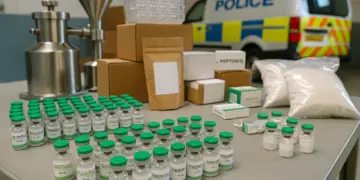
Upon his arrest, authorities discovered tubs of the poison in a suitcase, alongside Cross’ DNA, which had been located on one of the containers. An iPad confiscated during the raid also contained images and video relating to the toxic substance. When confronted, Cross maintained his silence regarding his actions, prompting worries among investigators about the potential for further harm to the public.
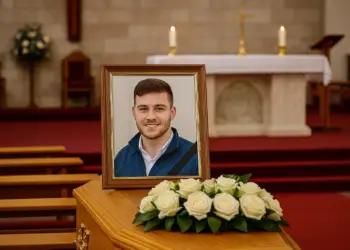
The impact of Cross’s crimes extended beyond the victims themselves, deeply affecting their families. The wife of the 53-year-old victim described enduring ‘total devastation and ongoing trauma’ following her husband’s death, voicing how insomnia and anxiety haunt her life post-tragedy. She lamented that significant dates such as Father’s Day now serve only as reminders of her loss, and her children grapple with their own grief over the loss of their father.
Similarly, another woman who purchased the poison recounted her experience, revealing that Cross exploited her vulnerability during a particularly dark period in her life. She noted that her decision to acquire the substance caused her great emotional pain, and her recovery necessitated considerable effort as she moved toward a healthier mindset.
Cross’s defence contended that he had suffered from mental health issues stemming from childhood trauma and his time in the military, which included previous attempts on his own life. They highlighted his reliance on alcohol and sedatives as forms of self-medication and noted that he struggled considerably after losing his job in June 2024.
Earlier this year, Cross admitted to the four charges of encouragement or assistance in suicide. His prosecution marked a significant legal precedent in the UK, as it is reportedly the first case of its kind where an individual was charged for selling poison with the explicit intent to aid in the termination of life. Alison Storey, a prosecutor with the Crown Prosecution Service, stated that Cross’s actions appeared motivated by financial gain, noting his circumstances of unemployment at the time of his illegal activities.
In preventive measures following the case, North Wales Police collaborated with Ofcom and invoked aspects of the Online Safety Act to restrict access to the suicide forum Cross utilised to locate his victims. Assistant Chief Constable Gareth Evans remarked on the force’s strategy of risk mitigation, maintaining that efforts were made to hinder individuals from accessing harmful resources and engaging with those who exhibit predatory behaviour.
This case echoes concerns surrounding similar criminal actions on a broader scale, as highlighted recently in Canada with ongoing legal proceedings against Kenneth Law, who faces multiple charges related to aiding and counselling suicides. The complexities and ramifications of such incidents highlight the need for robust measures to protect vulnerable populations from exploitation.
Our Thoughts
The case involving Miles Cross highlights significant failures in safeguarding vulnerable individuals from exploitation and harm. To prevent such incidents, there should be stricter monitoring of online forums and sales of hazardous substances. The UK Health and Safety at Work Act 1974 mandates employers to ensure the safety of all persons affected by their business activities, which could have been applicable if Cross’s actions were viewed through the lens of a commercial operation.
Regulations regarding the safe handling and distribution of toxic substances, such as the Control of Substances Hazardous to Health Regulations (COSHH), were clearly breached. Cross’s lack of a legitimate business license and the distribution of poison not only endangered life but also constituted a clear risk to public safety.
Key lessons include the need for tighter regulations on e-commerce and increased mental health support for individuals experiencing suicidal ideation. The development of stricter penalties for procuring hazardous substances with harmful intentions could deter similar offenders. Enhanced collaboration between law enforcement and mental health services is essential to identify and assist individuals who exhibit signs of vulnerability in online spaces, preventing exploitation by individuals like Cross.