
















Story Highlight
– Yellow weather warning issued for snow and ice.
– Temperatures could drop to -8°C in Wales.
– Expected snow accumulation of 5-10cm in areas.
– Emergency school closures announced due to weather.
– Scattered snow flurries and icy stretches forecasted.
Full Story
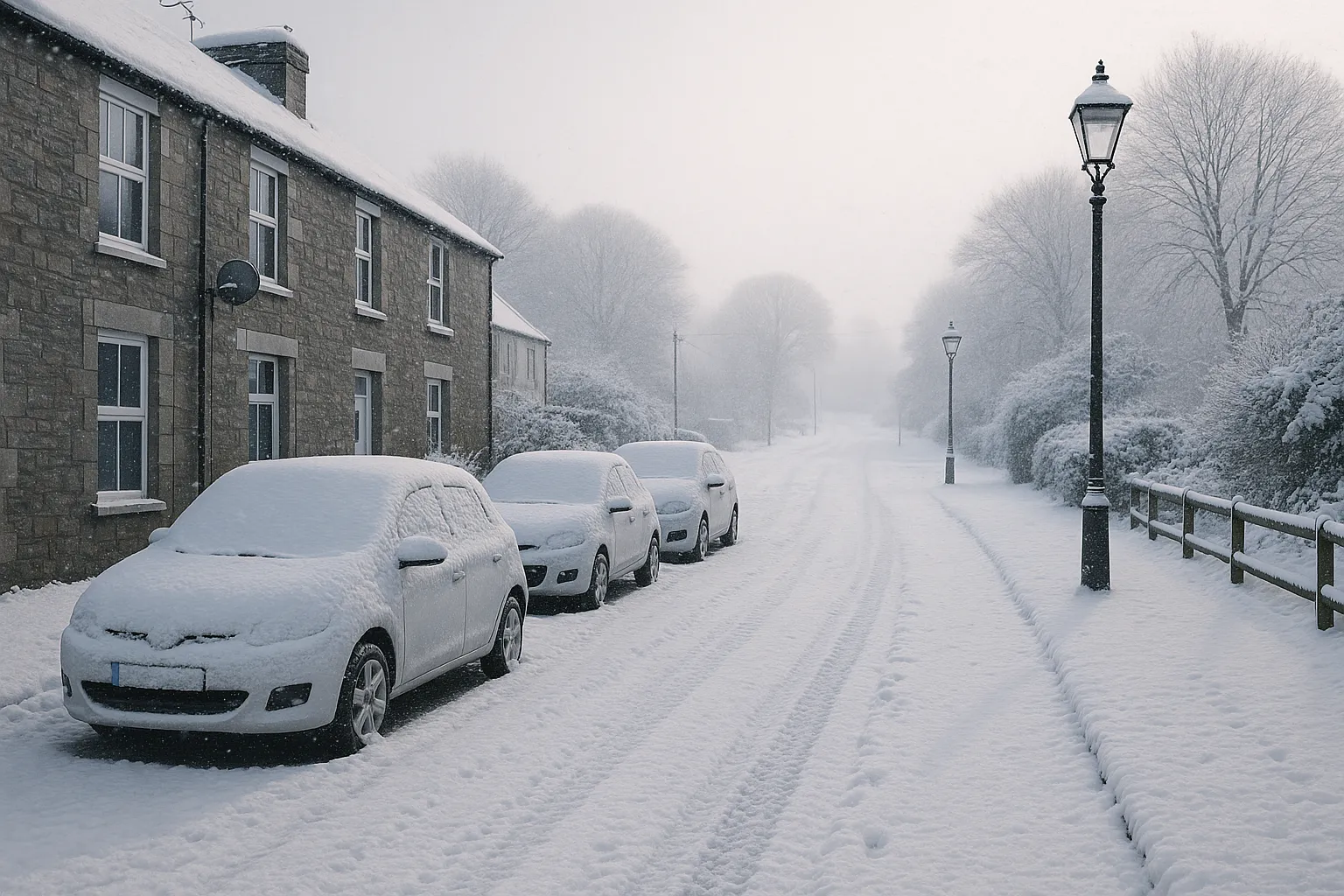
A cold snap is set to affect many across Wales as the Met Office has issued a yellow weather warning for snow and ice. This warning is in effect from midday on Monday, January 5, until 11am on Tuesday, January 6, following an earlier warning that lasts until midday on the same day. As children return to school and adults resume their daily routines after the Christmas holidays, residents are advised to prepare for challenging weather conditions.
Forecasters predict that some areas in Wales could experience temperatures plummeting to as low as -8°C. The regions with the highest likelihood of considerable snowfall include Pembrokeshire, Carmarthenshire, and Ceredigion, where accumulations of 5-10cm are anticipated. With weather conditions deteriorating, several schools have announced temporary closures due to the expected adverse weather.
The Met Office’s evening forecast for Sunday provided a stark warning: “A mixture of clear periods and scattered wintry showers this evening and overnight, these leaving a fresh covering of snow in places with the risk of icy stretches in many areas. Skies clearing later and turning very cold and frosty. Minimum temperature -8°C.” As this weather pattern unfolds, the emphasis on safety is critical, especially for those with commutes or outdoor plans.
Looking towards Monday, the forecast suggests little improvement, as similar conditions will persist with scattered snow showers primarily affecting western areas of the country. The eastern parts of Wales may enjoy some sunny intervals, although temperatures are likely to remain frigid, with maximums only reaching around 4°C. The combination of ongoing icy stretches and frequent wintry showers is expected to pose risks on roads and pavements.
Local authorities and emergency services are monitoring the situation closely, reminding residents to exercise caution. The warning underscores the unpredictability of winter weather, particularly in early January when temperatures historically dip significantly. The Met Office has reiterated the importance of staying informed and prepared for potential disruptions.
In addition to potential travel difficulties, the freezing temperatures pose risks beyond just inconvenience. Vulnerable populations, including the elderly and those with health conditions, are particularly at risk during such cold spells. Care organisations are urging communities to check in on neighbours and ensure that everyone has access to necessary support.
Meteorologist from the Met Office elaborated, explaining the phenomenon of cold weather systems during this time of year. “The mix of clear skies and moisture from previous weather fronts leads to these dramatic drops in temperature,” they stated. “Even when there are breaks in the overcast skies, the ground and air can cool rapidly, resulting in frost and icy conditions overnight.”
Public transport services may also face disruptions as a result of the snow and icy conditions. Commuters are advised to check for any updates or delays on routes, as services adapt to the challenging weather environment. Many local councils are deploying gritting teams to ensure that roads are as safe as possible, but icy pavements and side roads could still pose risks.
To navigate the wintry conditions safely, officials recommend that residents take proactive measures. Ensuring vehicles are prepared for cold weather, keeping salt on hand for driveways and pavements, and wearing appropriate clothing when outdoors are all essential steps in managing the impact of the freezing temperatures.
As schools begin the first week back after the holiday break, parents are facing decisions about whether to send their children in light of weather-related closures. This dynamic has been compounded by the recent trend of drifting temperature expectations, where forecasts have varied significantly from day to day.
In addition to the immediate weather concerns, experts are discussing broader implications associated with extreme winter conditions. Climate scientists note that while this cold snap is part of typical seasonal variations, lengthy periods of intense cold could also reflect larger climatic patterns.
Overall, while many will be eager to return to their routines, the UK must brace for more unpredictable weather in the coming days. Welsh residents are encouraged to stay updated with official weather advisories and put safety first during this chilly start to the New Year. As the wintry weather unfolds, community engagement and support will be vital in ensuring everyone can cope with the challenges posed by the freezing temperatures and snowfall.
Our Thoughts
The article highlights the adverse weather conditions expected in Wales, including extreme cold, snow, and ice, which could lead to safety incidents. To mitigate these risks, several measures could have been implemented.
1. **Preemptive Risk Assessments**: Schools and workplaces should conduct thorough weather risk assessments ahead of adverse conditions, as mandated by the Management of Health and Safety at Work Regulations 1999.
2. **Public Communication**: Local authorities and educational institutions should improve communication about the dangers of icy conditions, aligning with the Health and Safety Information for Employees Regulations 1989, to ensure communities are well-informed.
3. **Emergency Planning**: Schools should have robust emergency plans that address weather-related closures and safety measures for children traveling to and from school.
4. **Health and Safety Training**: Staff should receive training on safety procedures for winter weather, in line with the Health and Safety at Work Act 1974, to ensure they are prepared to protect both themselves and the children in their care.
By incorporating these strategies, the impact of similar weather incidents could be significantly reduced, lowering the potential for accidents and injuries.