















Story Highlight
– Fuel poverty increases risk of carbon monoxide poisoning.
– Cold, damp homes face higher danger levels.
– Young people and families at increased risk.
– Many lack working carbon monoxide detectors.
– Government plans to enhance housing safety regulations.
Full Story
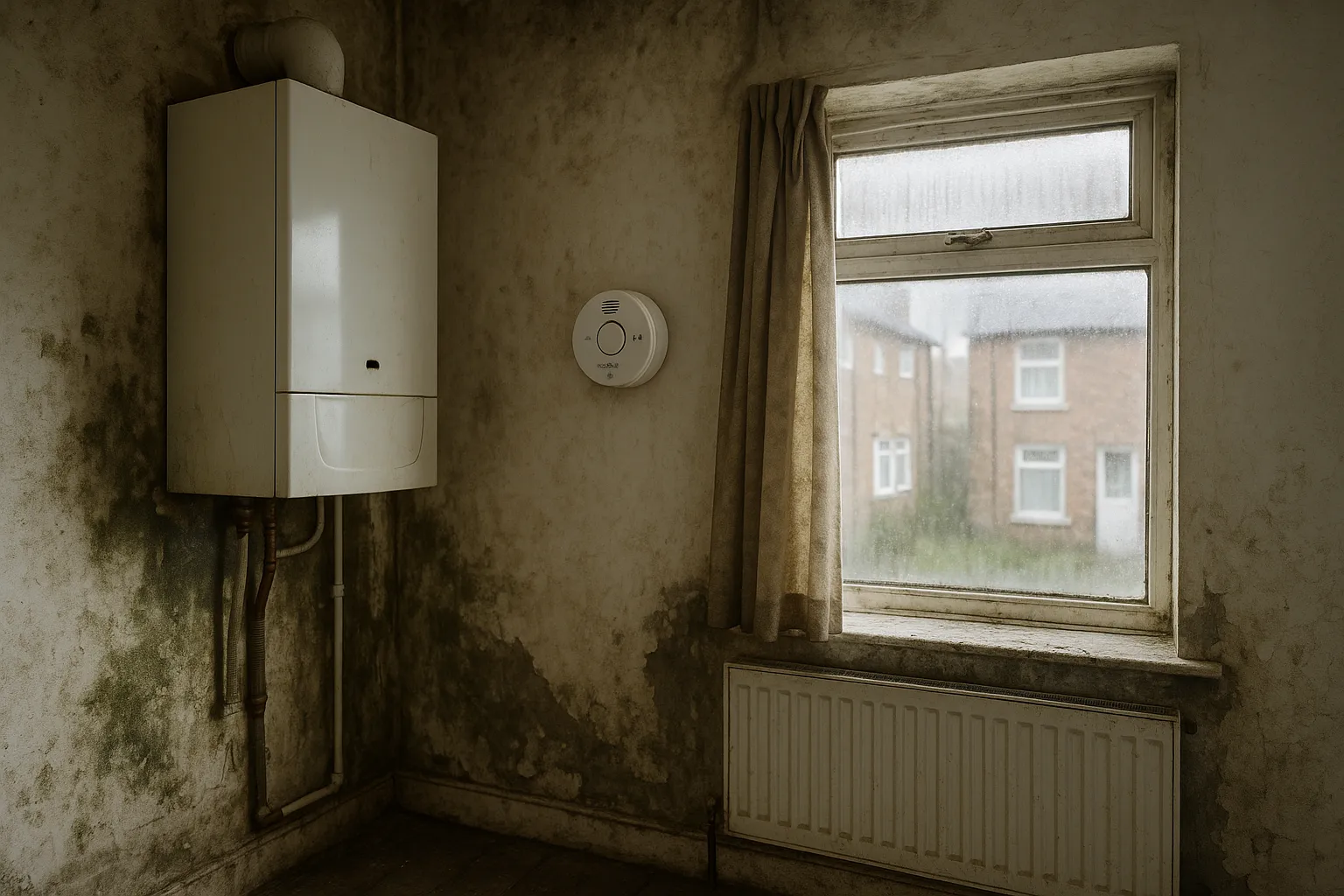
New research has highlighted a concerning correlation between fuel poverty and the risk of carbon monoxide poisoning, prompting renewed appeals from experts regarding the hidden dangers associated with this toxic gas. Individuals residing in cold, damp environments find themselves facing an increased risk, exacerbated by factors such as inadequate insulation, outdated heating systems, and the inability to afford necessary repairs.
The study, shared with The Independent, has been described by experts as revealing a “deadly intersection” of poverty, inadequate housing conditions, and reliance on gas for heating, indicating a significant trend that places those at the centre of the fuel poverty crisis in imminent danger. Simon Francis, a representative from the End Fuel Poverty Coalition, remarked, “The fact that people living in cold and damp homes are significantly more likely to experience carbon monoxide problems exposes a deadly intersection between poverty, poor housing and our continued reliance on gas. Those in fuel poverty are often trapped in older, poorly maintained or inadequately ventilated properties, heightening the risk of exposure to this lethal gas.”
The findings demonstrate that individuals who report living in cold, damp homes are more than twice as likely to encounter elevated levels of carbon monoxide compared to the general UK adult population. While seven per cent of adults across the UK experienced carbon monoxide issues in the past year, the figure rose to 18 per cent among those who struggled to adequately heat their homes. The survey, comprising responses from 2,000 UK adults, revealed that specific demographics, particularly young adults aged 18 to 34, faced heightened risks, with 16 per cent reporting carbon monoxide problems, alongside 11 per cent of households with children under the age of 18.
David Rudge, a father of six who experienced carbon monoxide poisoning last year, shared his alarming experience, highlighting a pervasive lack of awareness concerning this silent threat. “You often hear of carbon monoxide issues in nursing homes or hotels, and while you understand it poses a danger, it isn’t until it directly affects you that the seriousness of the situation truly sinks in,” Rudge stated. Following an incident last year, where a carbon monoxide detector installed by his landlord activated in the night, Rudge was compelled to leave his flat located above a retail establishment in Blackpool.
Legally, landlords in the UK are required to ensure that properties with fuel-burning appliances are fitted with carbon monoxide detectors. After calling for assistance, Rudge’s situation quickly came to light when engineer Abu Bobat noticed the symptomatic drooping of Rudge’s eyes and his complaints of headaches and nausea. Data from the UK Health Security Agency (UKHSA) spanning from 1998 to 2019 indicates that more than half of all fatalities due to carbon monoxide poisoning in England and Wales were among individuals from the most deprived segments of society.
Rebecca Close, principal environmental epidemiologist at UKHSA, noted, “Overall trends show that deaths due to unintentional, non-fire related carbon monoxide poisoning in England and Wales have been decreasing. However, fatalities persist, with data indicating a clear trend of increasing mortality rates in line with rising levels of deprivation.” The research also revealed that nearly one in three individuals, specifically 31 per cent, do not have a functioning carbon monoxide detector in their homes.
Close emphasised the need for prevention strategies that enhance awareness about the dangers of carbon monoxide, as well as promote the proper installation and regular maintenance of detectors — especially in overlooked areas such as garages or temporary accommodations. “The proper installation and annual testing of domestic gas and fuel-burning appliances is crucial,” she added.
Phil Burrows, who oversees customer vulnerability at Cadent Gas, commented on the emerging link between fuel poverty and carbon monoxide exposure, explaining that many individuals in cold, damp homes block ventilation to preserve heat, creating even more hazardous conditions. “When you’re in fuel poverty, financial constraints lead to tough decisions regarding appliance maintenance,” he noted, suggesting that people may delay servicing or attempt to prolong the life of gas appliances they cannot afford to replace. “Often, maintenance requirements slip to the bottom of the priority list as households struggle to meet their essential heating needs,” Burrows noted.
He further explained that inadequate maintenance of gas appliances significantly raises the risk of carbon monoxide emissions due to incomplete combustion. “All gas appliances rely on proper ventilation to function safely and effectively mitigate carbon monoxide risks,” he added, a situation further complicated by the financial burdens associated with heating.
In response to growing concerns regarding safety in rented accommodation, a spokesperson for the Ministry of Housing, Communities and Local Government stated, “No one should have to endure living in unsafe conditions. We are actively taking steps to ensure the safety and security of individuals by addressing hazardous situations.” The spokesperson highlighted the introduction of Awaab’s Law, aimed at compelling landlords in the social housing sector to resolve hazards, including emergencies related to carbon monoxide, more promptly, ensuring that tenants have the means to hold landlords accountable through legal channels.
This research serves as a crucial reminder of the pressing need to address issues surrounding fuel poverty, inadequate housing, and their intertwining risks. With calls for a comprehensive approach that extends beyond mere financial relief and advocates for enhanced tenant protection and improvements to housing quality, the objective remains clear: to create safer living environments for all.
Our Thoughts
To mitigate the risks of carbon monoxide (CO) poisoning highlighted in the article, several critical safety measures could have been implemented. First, adherence to existing UK regulations, such as the Gas Safety (Installation and Use) Regulations 1998, mandates regular servicing of gas appliances and requires landlords to ensure the installation of CO detectors where necessary. Enhanced enforcement of these regulations could have prevented unsafe conditions in rented properties.
Additionally, improving tenant education on the importance of reporting safety concerns without fear of eviction is essential. Strengthening tenants’ rights would help alleviate pressures leading to underreported hazards. Increasing access to funds for maintenance and repairs or offering subsidies to vulnerable households could ensure that gas appliances are properly maintained and ventilated, reducing CO risks.
Awareness programs addressing the dangers of CO and emphasizing the need for functional detectors could further prevent exposure. The government initiatives such as Awaab’s Law aim to expedite repairs, but a broader strategic focus is required to ensure compliance and foster safer living environments. Overall, tackling fuel poverty and enhancing housing conditions is vital in minimizing carbon monoxide exposure risks.