













Story Highlight
– UKHSA warns raw pet food may contain harmful bacteria.
– 35% of surveyed products harbored dangerous pathogens.
– Pet owners advised to maintain strict hygiene practices.
– Raw food can transmit antibiotic-resistant bacteria to humans.
– FSA emphasizes safe handling to protect human health.
Full Story
The UK Health Security Agency (UKHSA) has issued a significant warning to pet owners regarding the potential dangers associated with raw pet food products, which may contain harmful bacteria that pose risks to both pets and their human companions. This cautionary note comes as part of an ongoing commitment to ensure public health and food safety, especially as millions of households across the UK care for an estimated 13 million dogs.
In a recent online post, the UKHSA highlighted findings from the Food Standards Agency (FSA) that underscored the importance of proper hygiene when handling raw pet food. The post stated, “The Food Standards Agency (@foodgov) is reminding people to take care when handling raw pet food, following a survey that found some products can contain harmful bacteria that could make pets and their owners ill.”
The warning was further reinforced by insights from Gauri Godbole, Deputy Director at UKHSA with expertise in gastroenterological infections and food safety. “Raw pet food products can carry harmful bacteria such as Salmonella and Campylobacter, which can cause diarrhoea, stomach cramps and sometimes vomiting and fever,” she explained. To mitigate these risks, Godbole offered several key hygiene recommendations for pet owners, which include thorough handwashing after handling raw food, careful cleaning and disinfection of bowls and utensils, separate storage of pet food from human food, and maintaining strict hygiene when dealing with pet waste.
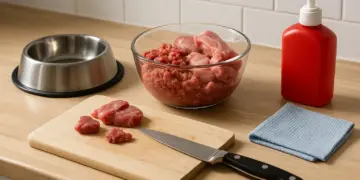
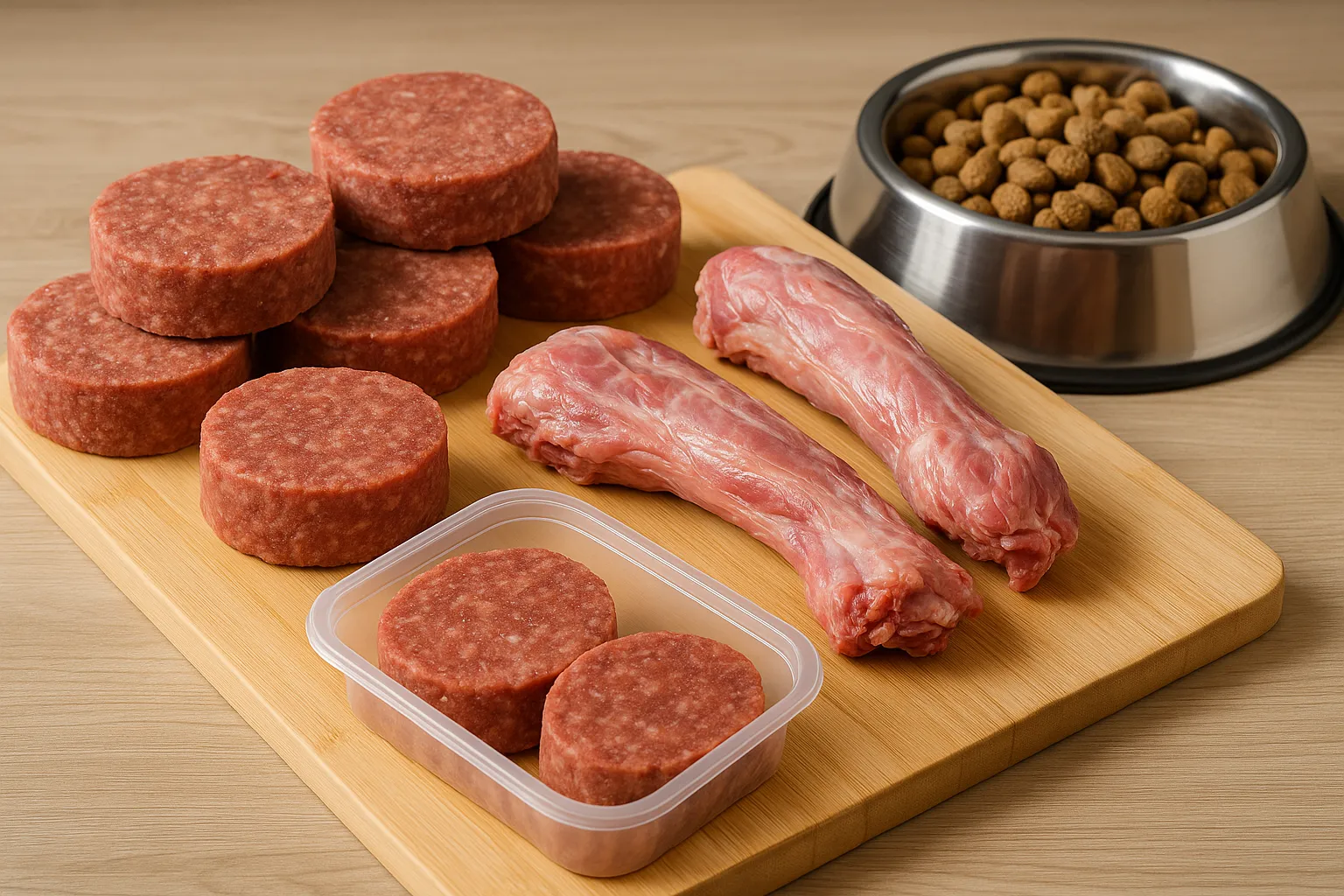
Raw pet food typically consists of unprocessed meats, offal, and bones, and can be found in both wet and dry forms, including popular chew items. Many of these products originate from animal by-products that were initially intended for human consumption but later designated exclusively for pet use, as reported by multiple sources.
A detailed survey undertaken by the FSA examined 380 raw dog and cat food products from various marketplaces during a year-long period spanning from March 2023 to February 2024. The investigation aimed to assess the safety of these products, a critical area of concern for both pet and public health. The results of the survey indicated that approximately 35% of the sampled products were contaminated with pathogens, including Salmonella, Campylobacter, and E. coli, all known to pose health risks to humans. Alarmingly, it was also reported that 29% of these products did not meet the legal safety standards set in the UK.
The heightened risk associated with raw pet food arises from its propensity for bacterial contamination, a threat that cooking typically mitigates. Health experts have expressed concern that not only the handling of such food but also interactions with pets could facilitate the spread of antibiotic-resistant bacteria, a growing public health issue.
Stephen Wyllie, Veterinary Head of One Health at the Animal and Plant Health Agency (APHA), remarked on the findings, stating, “APHA is a world leader on Antimicrobial Resistance (AMR) in animals, carrying out vital research to reduce the spread of AMR.” He further emphasised the importance of treating raw pet food with the same caution as one would apply to raw meat in human food preparation, in order to avert foodborne illnesses and limit the risk of antimicrobial resistance.
In a cooperative effort, the FSA is working alongside local authorities to ensure that companies involved in the production of pet food are fully aware of their safety responsibilities. This includes reinforcing guidelines for pet owners regarding the safe handling of raw pet food. For those pet owners who may be apprehensive about the potential risks posed to their animals by raw diets, seeking veterinary guidance to explore safer feeding alternatives is strongly advised.
Rick Mumford, Interim Chief Scientific Adviser for the FSA, commented on the survey’s implications, noting, “We know that many pet owners choose raw pet food. This survey shows that these products can pose risks to human and animal health.” He stressed the importance of maintaining good hygiene practices in preventing health issues: “Follow the same hygiene principles you would when preparing food for the humans in your life; washing hands thoroughly with soap and water, cleaning all surfaces, and storing and defrosting pet food and treats away from human food.”
For additional guidance on the safe handling of raw pet food, the FSA has made detailed resources available on its dedicated webpage. These recommendations are vital for helping pet owners navigate the risks associated with feeding raw pet food while protecting both their pets and themselves from potential health hazards.
As pet ownership continues to thrive in the UK, it is crucial for owners to stay informed about potential health risks and ensure that they are taking necessary precautions.
Our Thoughts
To prevent the risks associated with raw pet food products, several key health and safety measures could have been implemented. The non-compliance of 29% of surveyed products with UK safety requirements indicates a breach of the Food Safety Act 1990, which mandates that food sold must be safe for consumption.
Enhanced regulatory oversight and enforcement by the Food Standards Agency (FSA) could ensure that all pet food producers adhere to safety standards. Regular inspections and more rigorous testing for pathogens in raw pet food products would help identify and mitigate hazards before products reach consumers.
Training and certification programs for pet food manufacturers about the importance of hygiene and safe food handling practices are critical. Furthermore, effective communication of safe handling practices to pet owners, such as treating raw pet food as they would raw meat, should be reinforced.
Key lessons include the importance of consumer education regarding hygiene practices, emphasizing handwashing and cleaning surfaces after handling raw pet food, which aligns with the Health and Safety at Work Act 1974. Overall, the combination of better regulatory compliance, training, and consumer awareness could significantly reduce health risks associated with raw pet food.