















Story Highlight
– Health report reveals unsafe welding practices at college.
– Inadequate ventilation training for staff noted by HSE.
– College halts welding activities amid safety concerns.
– Staff express anxiety over long-term health risks.
– Union calls for protective equipment and better safety measures.
Full Story
Concerns have arisen among staff at City of Glasgow College regarding their health following a report highlighting serious health and safety breaches during welding demonstrations on the Riverside campus. An investigation by the Health and Safety Executive (HSE) revealed that proper ventilation equipment was not utilized during these demonstrations, which plays a critical role in protecting individuals from potentially harmful fumes generated during welding.
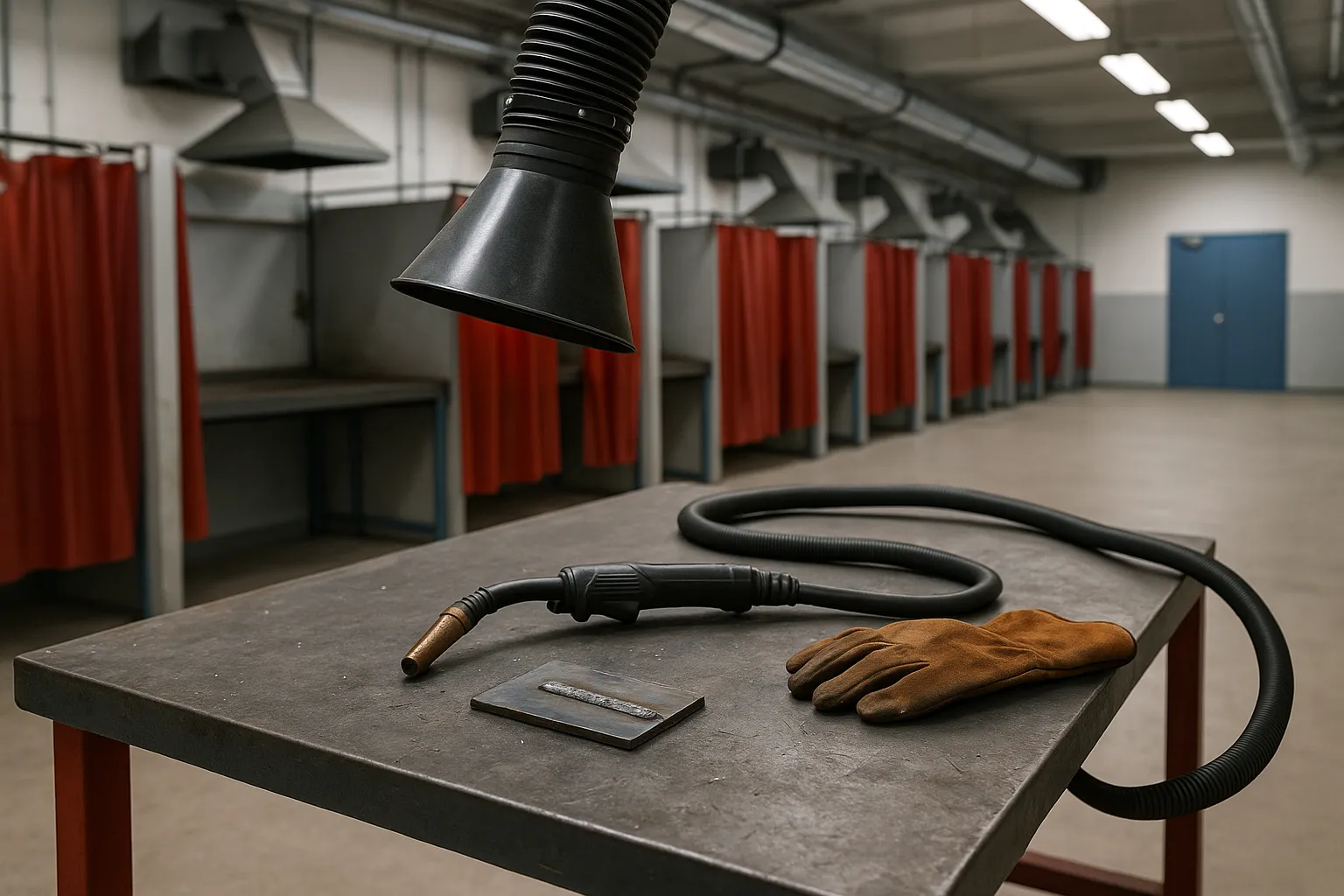
The HSE, during its inspection, found that instructors had not received adequate training on the usage of the local exhaust ventilation (LEV) system, designed specifically to mitigate the inhalation of hazardous fumes. This oversight poses various health risks, with the report explicitly noting threats such as lung cancer, along with skin and eye conditions due to prolonged exposure to welding fumes.
In response to the findings, City of Glasgow College stated that it had been fully cooperative with the HSE and had taken all necessary steps to ensure compliance with the identified issues. The college expressed that the matter was resolved and that they had received confirmation from the HSE affirming the closure of the investigation.
Despite these assurances, it has been reported that all welding activities at the Riverside campus have been halted, raising concerns about the impact on students’ qualifications, which include requirements for practical work in welding.
What prompted these health and safety alerts? An unannounced inspection conducted by the HSE last December brought to light alarming practices regarding the use of the LEV systems. Discussions with staff revealed a fundamental lack of understanding concerning the appropriate positioning and operation of ventilation hoods meant to capture and exhaust fumes. The HSE cited that demonstrations were conducted without LEV in use, a fact that college management was previously unaware of. The inspectors also noted that it was incorrect to conduct welding outside of designated booths where proper ventilation measures were mandated.
An official correspondence from the HSE to City of Glasgow College conveyed serious concerns over the failure to sufficiently train staff on vital health and safety protocols relating to welding operations. The letter stated: “You have therefore failed to provide employees with suitable and sufficient information, instruction and training, namely in relation to the measures that require to be in place to control the health and safety risks from welding.”
Current workforce sentiment indicates a prevalent anxiety regarding long-term health impacts stemming from the college’s oversight. Several staff members have reportedly raised their health concerns directly with the college. While they may not be able to definitively link their health issues to exposure to welding fumes, the uncertainty surrounding potential implications has left many feeling distressed.
One staff member, who has been referred to as Rebecca, expressed feelings of guilt and concern for the students they are responsible for, stating, “There’s a massive guilt over the team for our students’ sake, that we’ve essentially allowed them to work in an environment like that without knowing what the potential repercussions were going to be for later on in their life, never mind our own.” The ongoing lack of communication regarding these health risks from college management compounds their worries, with Rebecca noting, “At the moment, they still don’t know what’s going on.”
Another anonymous source, referred to as Lewis, echoed these sentiments, highlighting the additional responsibilities staff have outside the workplace, including family commitments. The mental burden of potential health issues weighs heavily upon many instructors.
The EIS teaching union, alongside the Further Education Lecturers’ Association (EIS-Fela), has entered into a formal dispute with the college, largely centred around health and safety concerns. Leah Stalker, a representative of the EIS, articulated the union’s apprehensions, stating, “We are extremely worried and concerned for our members. We don’t believe the employer is controlling health and safety standards enough.”
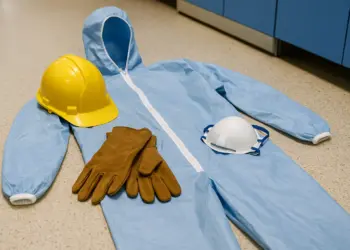
In light of the HSE’s findings, the union is advocating for the provision of respiratory protective equipment (RPE) for both staff and students when in the welding environment. Although the use of RPE is not currently a legal requirement, it is a common safety measure across various sectors of the welding industry.
Although the HSE confirmed that the proper operational use of LEV, if adhered to, could sufficiently mitigate risks, it did recommend the consideration of supplementary RPE to enhance safety, particularly in light of the carcinogenic nature of welding fumes. The report called for an update to risk assessments, highlighting the need for thorough consideration when dealing with potentially hazardous materials.
While many lecturers bringing their expertise to the Fabrication and Welding department possess industry experience, it is noteworthy that a majority lack specialized training in welding. This gap in knowledge can further exacerbate safety issues within the educational environment.
A representative from the college stated that they had promptly reached out to the HSE in late November as soon as the safety concerns were raised, leading to an internal investigation. According to the college, they have since received a clear assessment from the HSE confirming that all necessary improvements have been made, allowing welding and fabrication training to resume.
However, the EIS-Fela has expressed discontent over the acknowledgments made in the HSE report, with some union members reportedly instructed not to engage with the college regarding future matters. The college official reiterated the stance that independent reviews have consistently demonstrated that any exposure levels to staff are below regulatory thresholds. The college emphasized its willingness to engage in constructive dialogue with EIS-Fela to address all outstanding issues.
Our Thoughts
The situation at City of Glasgow College highlights significant breaches of UK health and safety legislation, specifically the Health and Safety at Work Act 1974 and the Control of Substances Hazardous to Health Regulations (COSHH) 2002. The failure to implement and properly train staff on local exhaust ventilation (LEV) systems for welding demonstrations posed serious health risks from airborne fumes.
To prevent such incidents, the college should have conducted comprehensive training for lecturers on the use of LEV systems, ensuring they understand their importance in mitigating exposure to hazardous substances. Regular health and safety audits and assessments should be mandated to ensure compliance with established safety protocols.
Additionally, updating risk assessments to reflect the carcinogenic nature of welding fumes and providing information on necessary personal protective equipment (PPE) would enhance safety. While supplementary respiratory protective equipment (RPE) is not legally required, its use could provide an extra layer of protection, thus aligning with best practices in the industry.
Effective communication between management and staff regarding health and safety practices is vital in fostering a culture of safety and ensuring all staff feel empowered to address concerns.