














Story Highlight
– Many seek weight loss medications amid new year resolutions.
– 1.5 million currently use prescription weight loss drugs.
– 90% pay privately; costs around £100 monthly.
– Unregulated online purchases pose serious health risks.
– MHRA advises consulting professionals for safe weight-loss options.
Full Story
As the festive season concludes and attention shifts towards health and wellness in the new year, many individuals are contemplating weight loss strategies ahead of the warmer months. While traditional methods such as calorie reduction and increased physical activity remain popular, a growing number of people are exploring alternative options, including weight loss medications.
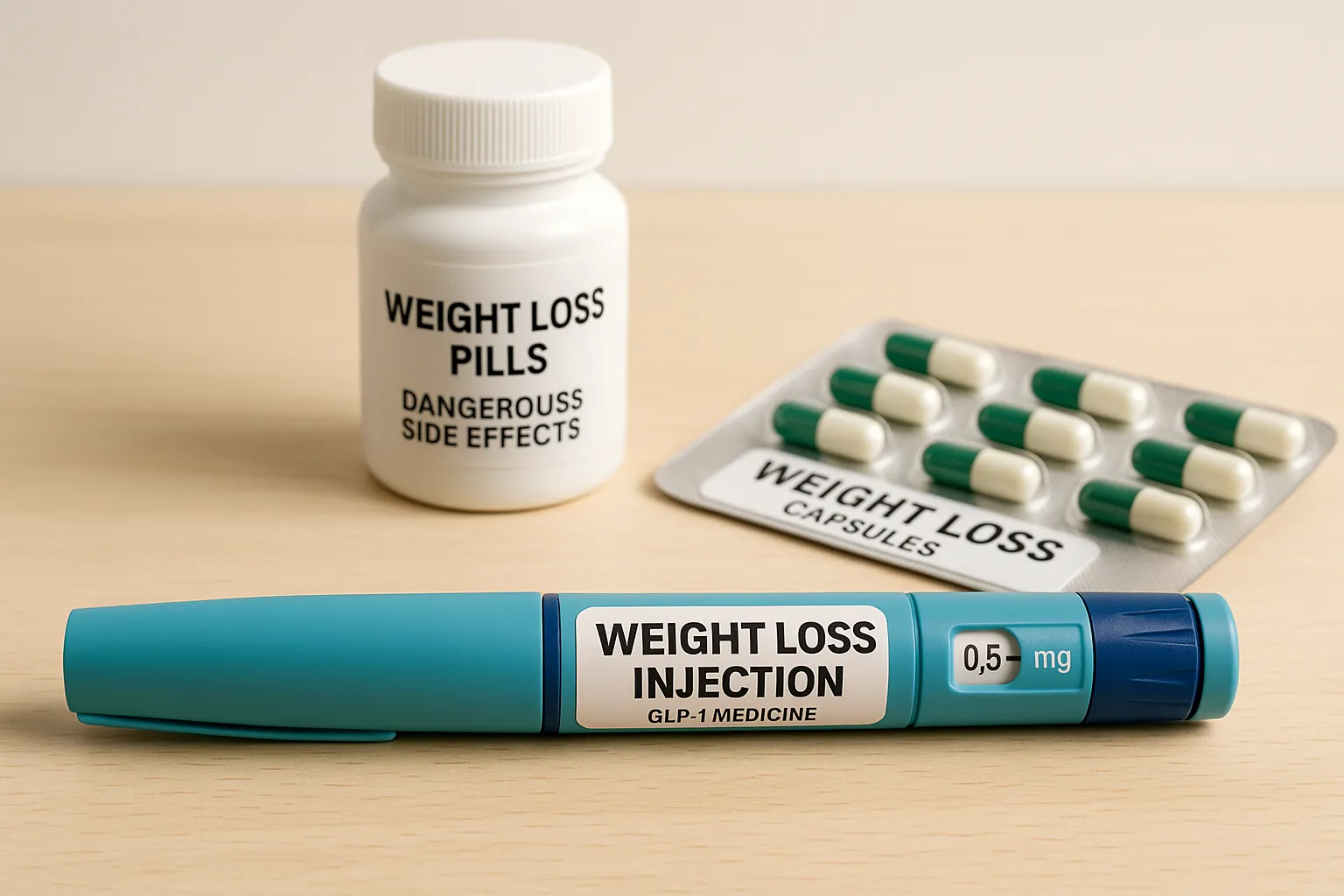
Currently, approximately 1.5 million individuals are using these medications in efforts to manage their weight. However, strict regulations from the National Health Service (NHS) regarding who qualifies for such treatments have resulted in a significant number of people seeking assistance outside the healthcare system. Reports indicate that around 90% of those who use weight loss drugs pay for them privately, with costs typically reaching around £100 per month when procured through reputable sources.
Despite the allure of quick solutions advertised online, health professionals are warning that some might compromise their well-being by opting for cheaper alternatives found on the internet. Many of these products promote miraculous results, presenting serious risks, according to the Medicines and Healthcare products Regulatory Agency (MHRA), the body overseeing the safety and efficacy of medicines and health products in the UK.
The MHRA has issued warnings about the dangers associated with acquiring weight loss products from unregulated websites or social media platforms. Their stance is clear: “Products sold illegally may be fake, contaminated, incorrectly dosed, or contain powerful ingredients not listed on the packaging. These can lead to dangerous side effects, including heart problems, psychological effects, and dangerously low blood sugar.”
Certain weight management medications, particularly those classified as GLP-1 medicines and often referred to colloquially as “skinny jabs,” require a prescription and should only be dispensed following an appropriate assessment by a qualified healthcare provider to ensure both safety and suitability.
Dr. Zubir Ahmed, the Health Minister, has emphasised the risks associated with purchasing weight loss drugs from unregulated sources. He stated, “As a practising doctor and patient safety minister, I want to be absolutely clear – please do not buy weight loss medications from unregulated sources. These products are made with no regard for safety or quality and pose a major risk to unwitting customers.” He implored the public to avoid enriching criminals at the expense of their health, asserting that safe and appropriately licensed obesity medications can be beneficial for those in clinical need, but should only be obtained through a registered pharmacy accompanied by a valid prescription.
Jenn Matthissen from the MHRA’s Safety and Surveillance team echoed these concerns, warning, “People often look for ways to support their health at this time of year, but buying medicines from illegal online sellers can put your health at real risk. Always make sure you are using authorised products from legitimate sources and speak to a healthcare professional for advice on safe, evidence-based options.”
For those contemplating weight loss treatment, the MHRA recommends consulting with a General Practitioner (GP), pharmacist, or another qualified healthcare professional to discuss safe options and potential treatments. Additional information regarding weight management medications is accessible through the MHRA’s dedicated resource on the GOV.UK website.
The MHRA has outlined specific guidance to help consumers make informed choices about their health. They advise against purchasing prescription-only medications without appropriate prescriptions and clarify that GLP-1 drugs, along with other weight management treatments, should only be provided following a clinical evaluation. Moreover, individuals should only source medications from registered pharmacies or authentic retailers to ensure safety.
In order to confirm the legitimacy of a pharmacy in Great Britain, consumers can check the registration status on the General Pharmaceutical Council’s website. Similarly, those in Northern Ireland can refer to the Pharmaceutical Society of Northern Ireland (PSNI) for relevant information.
Furthermore, the MHRA cautions against weight-loss products advertised on social media, particularly those that claim “quick fixes” or “miraculous results” at unusually low prices, as these are frequent indicators of illegal sellers. Individuals are also encouraged to report suspicious websites or products to the MHRA’s Yellow Card scheme, which is designed to facilitate action to protect others.
In a society increasingly focused on health and appearance, it is vital for individuals to prioritise safety over shortcuts. As misinformation proliferates online, connecting with healthcare professionals for guidance not only promotes better-informed decisions but also safeguards one’s health in the pursuit of weight management.
Our Thoughts
The discussion surrounding the risks associated with purchasing weight loss medications from unregulated sources underscores several key safety lessons and regulatory breaches. To prevent such incidents, the importance of adhering to the Medicines and Healthcare products Regulatory Agency (MHRA) guidelines is crucial. Individuals seeking weight loss treatments should only obtain prescription-only medications through registered UK pharmacies, ensuring a proper clinical assessment is conducted by qualified healthcare professionals as mandated by the Human Medicines Regulations 2012.
Moreover, addressing the public’s temptation to seek cheaper, unverified alternatives via online channels could involve increased regulation and monitoring of online sales of medications. Educational campaigns should be implemented to raise awareness about the dangers of illegal sellers and the potential health risks linked to unverified medications.
Healthcare providers and pharmacists should also reinforce the message regarding the importance of safe procurement of medicines, encouraging individuals to consult them prior to making health-related purchases. Finally, reporting suspicious online activity through the MHRA’s Yellow Card scheme can aid in consumer protection and help deter illegal sales.