
















Story Highlight
– Social media becoming “antisocial media,” warns Health Secretary.
– NHS sees rising mental health issues among young people.
– Australia’s social media ban for under-16s observed closely.
– 64% of young adults report mental health difficulties.
– Updated guidance on children’s screen time expected soon.
Full Story
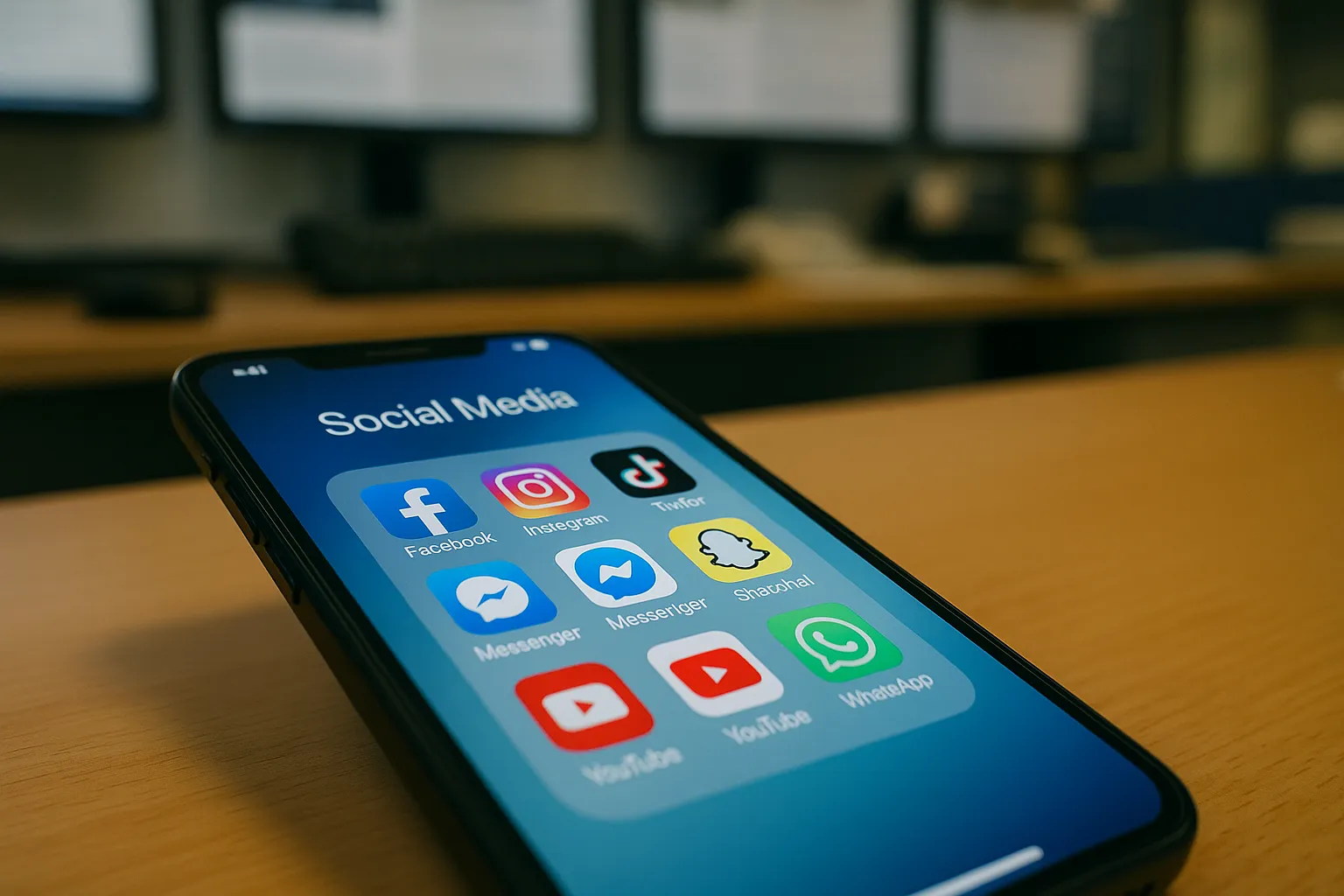
Health Secretary Wes Streeting has expressed concern over the increasingly detrimental role of social media in the lives of young people, labelling it as progressively transforming into “antisocial media.” He indicated that the National Health Service (NHS) is experiencing a surge in mental health issues among the youth population, attributing part of this trend to the unregulated access to online content.
Reflecting on his own experiences during adolescence, Streeting contrasted the difficulty he faced in sneaking into age-restricted films with the ease that children today have in accessing graphic and extreme material online. He noted, “It has been a place of bullying, intimidation, sometimes misogyny, even radicalisation.” Acknowledging the dangers, he stated, “We need to think much more radically about how we support young people to navigate this new online world.”
The Health Secretary is closely monitoring Australia’s recent social media ban for individuals under 16 years old—an initiative not currently mirrored in the UK government’s plans. Streeting has directed his officials to evaluate the effectiveness of this ban to ascertain if similar measures should be considered in Britain. He conveyed his thoughts on the issue in an interview with the Observer, highlighting the need to learn from international strategies in combating the challenges posed by digital platforms.
The rise in mental health difficulties among young people has been a growing concern, greatly exacerbated by both the COVID-19 pandemic and the ubiquity of social media. According to a recent survey conducted by YouGov for University College London, a staggering 64% of young adults in the UK reported experiencing mental health challenges. The latest data from NHS shows that as of the end of October, over half a million young individuals were receiving support from mental health services, indicating the significant demand for mental health resources.
In light of these statistics, the UK government has been actively engaged in addressing the issue of online safety for minors. Ofcom recently launched guidance aimed at technology companies, mandating that they take steps to restrict children’s access to harmful content. This follows alarming increases in instances of self-harm and suicide that have been linked to social media exposure.
While some campaigners support the idea of restricting access to social media, they caution that such bans could inadvertently drive children to seek solace in less regulated online environments, like gaming platforms or private messaging services. Government representatives have reassured the public that there are no immediate plans for a similar ban in the UK. A spokesperson for the Prime Minister recognised the concerns surrounding social media’s impact on children and affirmed, “It’s important we protect children while letting them benefit safely from the digital world, without cutting them off from essential services or isolating them.”
In the coming months, parents can expect updated guidance regarding appropriate screen time for children under the age of five. The Education Secretary, Bridget Phillipson, is reportedly collaborating with England’s Chief Medical Officer, Chris Whitty, to reassess the advice on children’s usage of social media, given that the last review took place in 2019.
As the discourse on social media’s implications for youth continues to flourish, there is a consensus among educational and health officials about the urgent need to safeguard children as they engage with digital platforms. Discussions around countering the various risks associated with online interactions are expected to gain momentum in 2024, with the government actively exploring diverse strategies.
This ongoing evaluation and potential reform comes amid a wider acknowledgement of the societal changes brought forth by digital communication. Streeting’s observations highlight a need for a more integrated approach that combines education, mental health support, and technology regulation to effectively support young people in an increasingly complex digital landscape.
Our Thoughts
To prevent the mental health crisis among young people attributed to social media usage, several proactive measures could have been implemented. Firstly, stricter enforcement of age verification processes on social media platforms is essential to ensure children cannot access harmful content. This aligns with Section 17 of the Health and Safety at Work Act 1974, which mandates the duty of care to protect individuals, including young users, from risks.
The introduction of more robust online safety regulations, such as those outlined in the Online Safety Bill, should be prioritized to ensure platforms are held accountable for the content accessible to minors. Additionally, educational programs aimed at teaching children about internet safety and healthy online behavior could foster resilience against negative influences.
Improving collaboration between parents, educators, and mental health professionals can create a multi-faceted approach in supporting young individuals navigating social media.
The recent rise in mental health issues reflects a failure to adequately monitor and regulate the online environment, potentially breaching the Health and Safety at Work Act’s principles. Similar incidents could be mitigated through comprehensive regulations promoting children’s online well-being and facilitating a safer digital landscape.