









Story Highlight
– Health visitors will deliver vaccines door-to-door in England.
– One in five children lack protection against diseases.
– £2m pilot scheme starts in January targeting underserved families.
– Lowest MMR vaccination rates recorded since 2009-10.
– New chickenpox vaccine will be rolled out on Friday.
Full Story
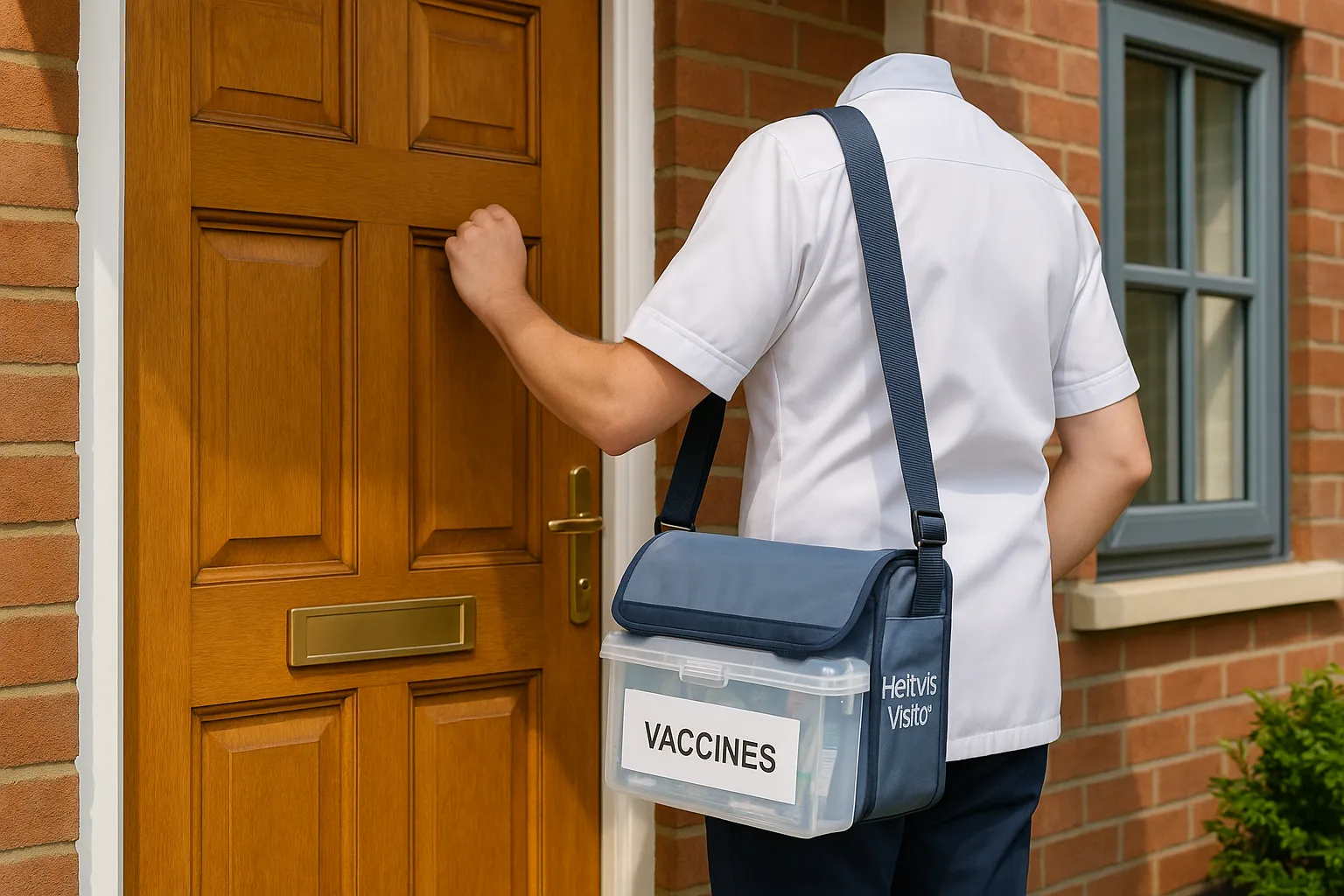
Health visitors are set to visit families across England to administer vaccinations to children at home, responding to concerns that a significant percentage enter primary school without protection from serious diseases. Recent findings highlight that one in five children are not fully vaccinated, prompting health officials to act.
The World Health Organization (WHO) stipulates that at least 95% of children need to be vaccinated against various illnesses to attain herd immunity. However, data indicates that not a single childhood vaccine in England achieved this target in the 2024-25 period. The disparities in vaccination rates have raised alarm bells throughout the nation.
To confront this issue, the NHS is launching a pilot scheme that will see £2 million allocated to health visitors who will deliver essential vaccinations directly to children’s homes. This initiative is scheduled to commence in January and aims to enhance vaccine uptake among families facing barriers to accessing medical care.
Health visitors, comprised of trained nurses or midwives, typically engage with families who have children under the age of five. They play a crucial role in identifying health needs early, thereby facilitating timely interventions. The upcoming scheme will specifically target families that are either not registered with a General Practitioner (GP) or those encountering difficulties related to transportation, childcare, language, or other challenges that hinder their ability to seek medical attention.
The NHS plans to identify children in need of vaccinations through existing GP records, health visitor documentation, and local data sources. To ensure they can effectively administer vaccines and address parental concerns over vaccine safety, health visitors will receive additional training as part of the initiative.
The pilot will initially be rolled out in twelve selected areas spanning five regions of England—London, the Midlands, the North East and Yorkshire, the North West, and the South West. If successful, the programme could expand nationwide by 2027, significantly improving immunisation rates across the country.
Wes Streeting, the Secretary of State for Health and Social Care, commented on the initiative, stating, “Every parent deserves the chance to protect their child from preventable diseases, but some families have a lot going on, and that can mean they miss out. Health visitors are already trusted faces in communities across the country. By allowing them to offer vaccinations, we’re using the relationships and expertise that already exist to reach families who need support most. Fixing the NHS means tackling health inequalities head-on. By meeting families where they are, we’re not just boosting vaccination rates—we’re building a health service that works for everyone.”
This new vaccination drive coincides with a time when the NHS is experiencing “extraordinary pressure” due to heightened incidences of flu and other winter illnesses. Public health leaders anticipate an increase in case numbers in the coming days as colder temperatures set in.
Reflecting on the public’s response to vaccinations, officials noted that half a million more individuals in England have received the flu jab compared to the previous year. Health authorities reassured the public that it is not too late for those who have yet to be vaccinated to do so before the winter season peaks.
Concerns about vaccination rates in England are particularly pronounced. Only 91.9% of five-year-olds received their first dose of the measles, mumps, and rubella (MMR) vaccine in the 2024-25 period, marking the lowest uptake since 2010-11. Furthermore, the percentage of five-year-olds who have completed the full two-dose regimen stands at a worrying 83.7%, a slight decline from the previous year and the lowest recorded since 2009-10. Additionally, the rate of children receiving the initial MMR dose by the age of 24 months was 88.9%, again the lowest since 2009-10.
The urgency of the situation was highlighted by the tragic death of a child in Liverpool who contracted measles in July, marking the first death from the disease in the UK in ten years. Data reveals that only 73% of children in Liverpool have received both doses of the MMR vaccine, underscoring the critical need for urgent action.
The WHO’s assessments indicate that the UK currently has the lowest MMR vaccination rates among G7 nations, with only 89% of children having received their first MMR jab as of 2024. The global picture is similarly troubling, with millions of children at risk of serious diseases due to stagnant or declining vaccination coverage.
Furthermore, the uptake of the Hib/MenC vaccine, which safeguards against Haemophilus influenzae type b and meningitis C, has also reached alarming levels, with only 88.9% coverage for five-year-olds in England—the worst since 2011-12. The four-in-one preschool booster vaccine, designed to protect against polio, whooping cough, tetanus, and diphtheria, has seen a dismal uptake of just 81.4% among the same age group, indicating that many children remain unprotected as they approach the start of their primary education.
Starting this Friday, a new vaccine for chickenpox will be introduced across the NHS in England. The varicella jab, traditionally priced around £150 at private providers, will enhance the childhood vaccination schedule. It is anticipated that this vaccine, which will be part of a combined MMRV (measles, mumps, rubella, and varicella) immunisation, will protect approximately 500,000 children annually. This updated vaccine regimen will replace the existing MMR offerings for infants at 12 and 18 months, with hopes of mitigating the impact of chickenpox and reducing workplace absences due to care responsibilities when children contract the illness.
Our Thoughts
To address the low vaccination rates among children in England and prevent future incidents, several steps could be considered based on UK Health and Safety legislation. Firstly, enhancing community engagement and informal communication channels could have improved outreach to families hesitant about vaccinations. Implementing strategies to ensure compliance with the Health and Social Care Act 2008, which mandates safeguarding and effective service delivery, is critical. Increasing access to accurate information about vaccine safety would support informed decision-making by parents.
Additionally, bolstering collaboration between health visitors and local community organizations could address barriers faced by families, aligning with the Health and Safety at Work Act 1974 by promoting a safer environment for children’s health.
The tragic death of a child in Liverpool from measles underscores the urgency of addressing vaccination gaps and minimizing health inequalities. A more proactive approach, such as routine follow-ups for families with lower vaccine uptake, would aid in timely immunizations.
Regulations potentially breached include the Health Protection (Control of Disease) Act 1984, as failure to ensure adequate vaccination coverage places public health at risk. Future initiatives should focus on community-driven preventive measures and consistent messaging to boost vaccination rates and protect against deadly diseases.