













Story Highlight
– Health warning issued for Ozempic and Wegovy users.
– Rare sight issue may cause sudden vision loss.
– Patients urged to seek urgent medical attention.
– NAION linked to reduced blood flow in optic nerve.
– Previous warning for GLP-1 drugs included pancreatitis risk.
Full Story
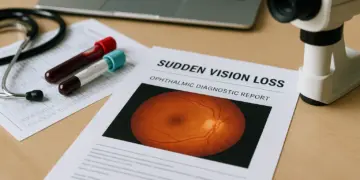
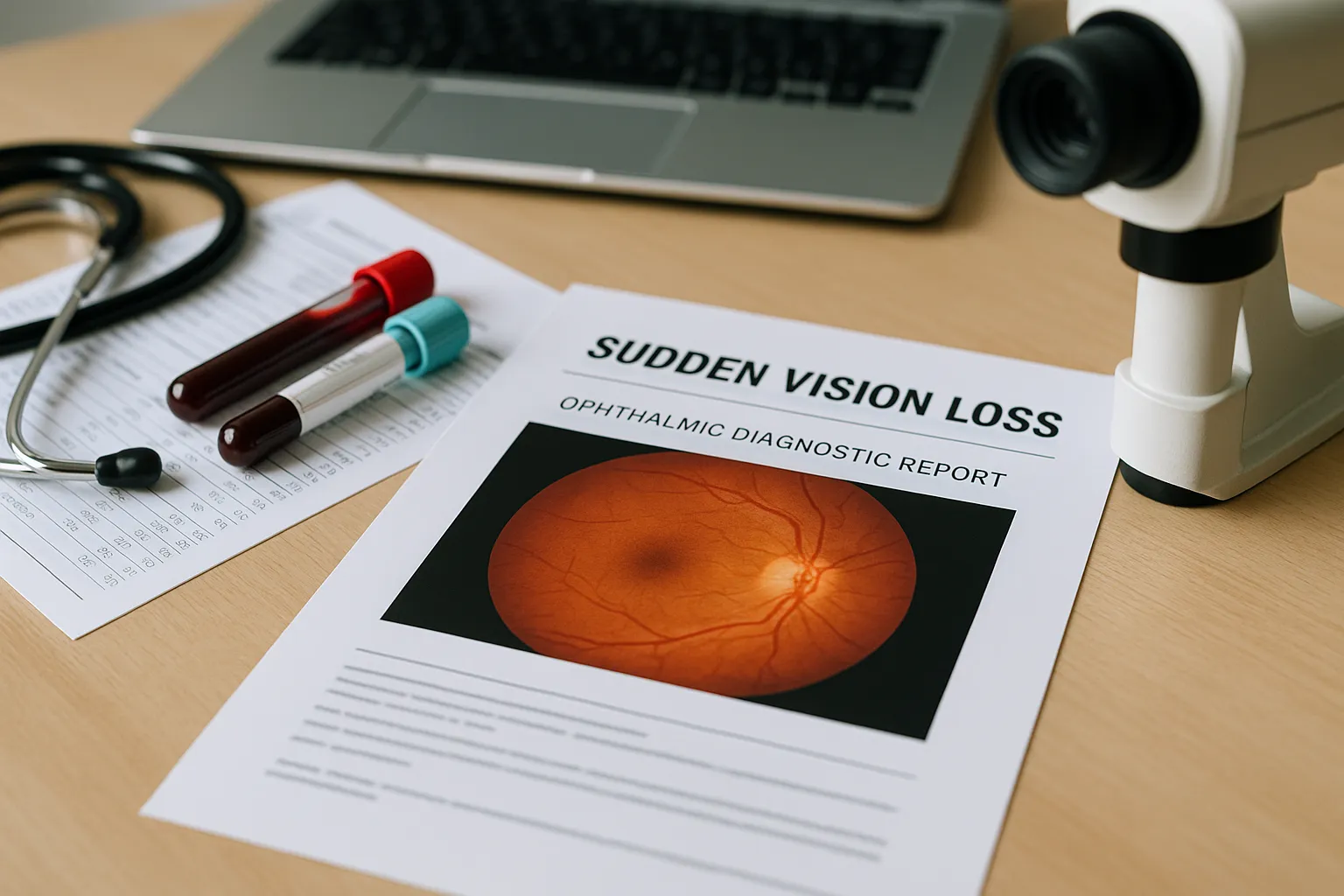
Medical authorities have issued a crucial warning regarding a rare but significant complication associated with the use of semaglutide-based medications, particularly Ozempic and Wegovy. This alert comes in light of reports concerning the potential for sudden loss of vision in one eye, a condition known as Non-Arteritic Anterior Ischemic Optic Neuropathy (NAION), that has been observed in some patients taking these treatments.
The Medicines and Healthcare products Regulatory Agency (MHRA) released a statement indicating that while the likelihood of developing NAION is extremely low, it is critical for individuals using semaglutide to remain vigilant for any sudden changes in their eyesight. In the event that such changes occur, individuals should seek immediate medical attention at an eye casualty department or Accident & Emergency (A&E).
Semaglutide, which is available under the brand names Ozempic and Rybelsus, is primarily prescribed for individuals with type 2 diabetes. Additionally, it is marketed as Wegovy for weight management and to reduce cardiovascular risks among patients who are classified as overweight or obese. The potential sight issue associated with semaglutide arises when blood flow to the optic nerve is reduced, leading to an abrupt and often painless loss of vision in one eye. Patients who have encountered NAION have described their vision problems as a distortion or cloudiness.
In their alert, the MHRA provided guidance for those taking semaglutide medications. They specified that any individual experiencing sudden impairment of vision, or observing a rapid deterioration of eyesight in one or both eyes, should promptly attend an eye casualty or A&E for evaluation. Dr Alison Cave, the Chief Safety Officer at the MHRA, emphasised that patient safety remains their foremost concern. She reiterated the agency’s commitment to continuously monitor the safety and effectiveness of all approved medications.
“If you, or someone you care for, is taking semaglutide and you notice sudden loss of vision in one eye, then we advise you to urgently attend eye casualty (if available in your area) or A&E and report it,” Dr Cave stated. This proactive step is critical as early intervention may prevent lasting damage.
This warning follows an earlier advisory regarding another serious but less common side effect associated with GLP-1 receptor agonists, the class of drugs that includes not only semaglutide but also Mounjaro. Individuals using these medications were cautioned to be aware of severe abdominal and back pain that persists, as it might signal acute pancreatitis — a condition where inflammation of the pancreas occurs and can lead to serious complications.
Health experts note that while most patients with acute pancreatitis find symptom relief within a week and typically experience no further issues, there remains a risk of complications for some individuals. The MHRA had previously reassured the public, stating, “For the vast majority of patients who are prescribed GLP-1s, they are safe and effective medicines which deliver significant health benefits.”
The agency underscored the importance of both patients and healthcare professionals being educated about these potential side effects, despite their rarity, to ensure timely response and intervention. Dr Cave stated that awareness of symptoms is vital in mitigating risks associated with these medications.
The concern primarily stems from the fact that approximately 1.6 million people in the UK have been prescribed GLP-1 medications over the past year, primarily for weight loss purposes. With such a large patient group, even rare side effects could potentially affect a significant number of individuals.
Medical professionals advise patients to closely monitor their health and to seek immediate advice if they experience any unusual symptoms while on semaglutide or similar medications. The MHRA has made guidance available regarding the safe use of semaglutide, which includes detailed information on potential side effects and recommended actions for patients.
In summary, patients prescribed Ozempic, Wegovy, or other semaglutide-based treatments are urged to be aware of the signs of NAION and acute pancreatitis. The quick recognition of symptoms can be essential in preventing serious health complications. As the use of these medications continues to grow, ongoing vigilance and adherence to medical advice will be paramount in ensuring patient safety.
Our Thoughts
To mitigate the risks associated with semaglutide, enhanced communication regarding potential side effects is crucial. The Medicines and Healthcare products Regulatory Agency (MHRA) should ensure that practitioners thoroughly educate patients about the rare risk of Non-Arteritic Anterior Ischemic Optic Neuropathy (NAION) and other severe side effects like acute pancreatitis. Regular training for healthcare professionals on recognizing and responding to these adverse effects, as mandated by the Health and Safety at Work Act 1974, would promote patient safety.
Furthermore, improving the reporting systems for adverse drug reactions could help identify and address issues early. The lack of adequate warnings in patient information leaflets and prescriptive guidelines may indicate a breach of the Misleading and Comparative Advertising Regulations, as patients need clear, accessible safety information.
To prevent similar incidents, a robust monitoring system in line with the MHRA’s Yellow Card scheme should be promoted, encouraging both patients and healthcare providers to report unusual symptoms promptly. Regular reviews of medication safety profiles and an increase in public awareness campaigns can significantly contribute to patient safety and awareness.