













Story Highlight
– Cape Verde has severe food poisoning outbreak warnings.
– USA ranked highest for food poisoning risk among tourists.
– Travel insurance claims for food poisoning exceed £150,000.
– Symptoms of food poisoning require immediate medical attention.
– Simple precautions can prevent gastrointestinal infections while traveling.
Full Story
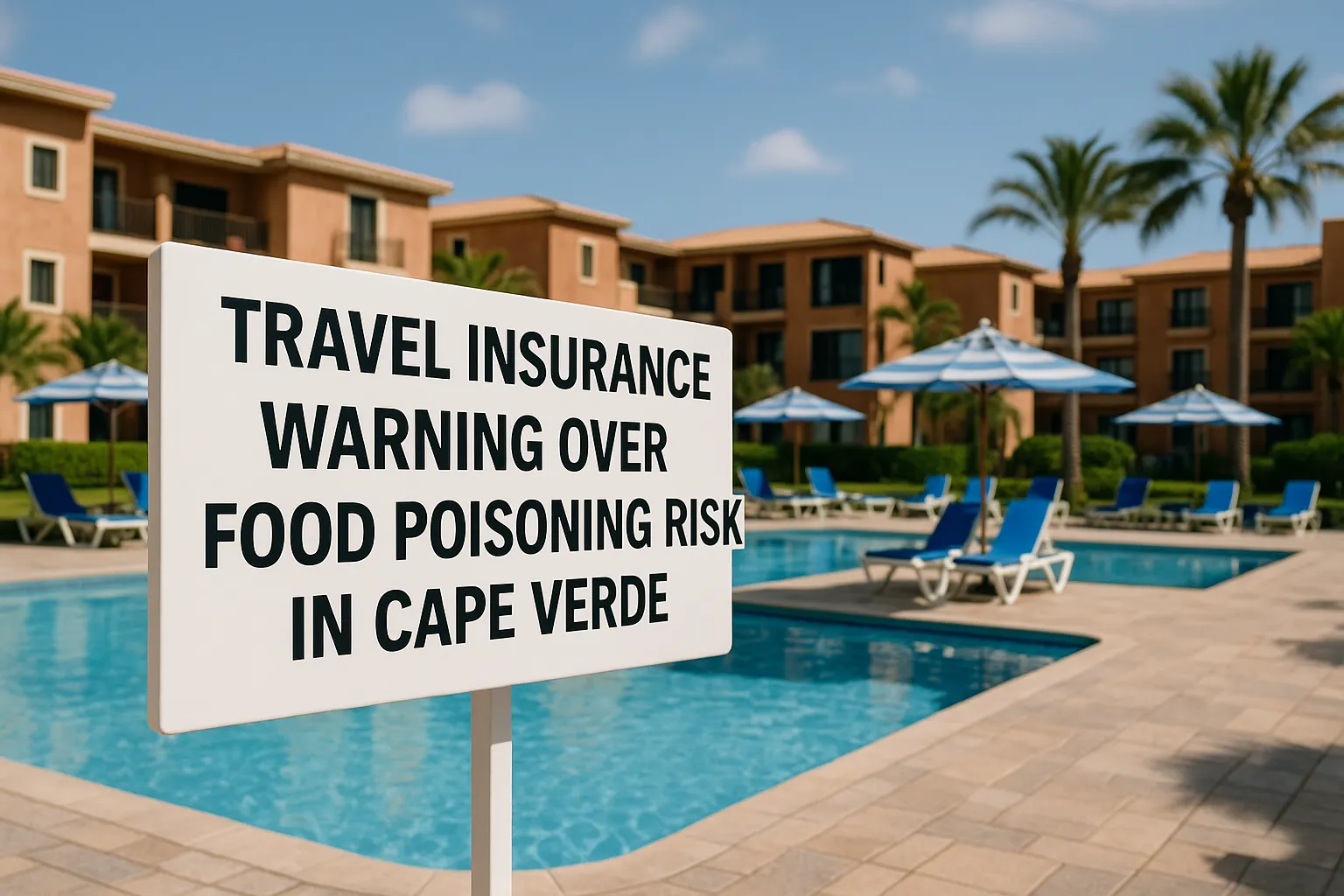
Travel insurance specialists have highlighted ten holiday destinations that pose a significant risk of food poisoning for tourists, following substantial compensation claims linked to illness. This alert comes as health officials in the UK have issued warnings about trips to Cape Verde, where over 150 British tourists have reported health issues due to infections that may cause severe gastrointestinal distress, including diarrhoea, fever, and abdominal cramps. Tragically, several fatalities have been associated with these stomach bugs among holidaymakers in this winter sun hotspot.
Recent assessments from the UK Health Security Agency (UKHSA) underscore that confirmed cases of infections such as shigella and salmonella are related to travel to Cape Verde. However, the potential for foodborne illnesses is not confined to this single location.
According to data compiled by travel insurance provider Staysure, claims exceeding £150,000 have been made in connection with food poisoning over a three-year span, with the typical payout being £1,327. The figures demonstrate that what may initially seem like mild stomach pain can escalate rapidly, resulting in prolonged hospitalisation and treatment costs running into thousands of pounds.
Staysure’s analysis ranks popular holiday spots based on reported instances of foodborne illnesses by the World Health Organization, in tandem with national food safety ratings and public anxiety about health symptoms. The United States emerged as the riskiest destination, scoring 6.16 out of 10 on Staysure’s risk assessment scale. Following the US, Poland holds the second position (3.97), while the Netherlands (3.60) and France (3.34) round out the top four. In contrast, Mediterranean destinations such as Greece, Spain, and Italy appear comparatively safer, with Turkey scoring the lowest at 0.75.
The rankings reveal the following breakdown of food poisoning risks associated with the top ten tourist locations popular among UK residents:
1. United States – 6.16
2. Poland – 3.97
3. Netherlands – 3.60
4. France – 3.34
5. Greece – 2.47
6. Ireland – 2.44
7. Portugal – 1.47
8. Turkey – 0.75
9. Spain – 0.69
10. Italy – 0.44
Personal accounts from travellers support these findings. One individual shared on Reddit that, despite years of globe-trotting, California remained the source of their most severe bout of food poisoning. Another recounted their experience after dining at a BBQ spot in New York City, describing, “The worst I had was in the USA, which left me vomiting for days.”
Dr Asimah Hanif, a GP and spokesperson for Staysure, issued a timely reminder regarding the unpredictability of food safety, stating: “Even in destinations labelled ‘low risk’, food poisoning can completely derail a holiday. Risk doesn’t always align with a country’s infrastructure, so travellers should take precautions regardless of where they’re going.”
Dr Hanif highlighted that not all foodborne illnesses are immediately severe, but specific warning signs necessitate urgent medical attention, including:
– Severe dehydration, characterised by dizziness, reduced urination, or confusion
– A high fever lasting beyond three days or resistant to over-the-counter medication
– The presence of blood in vomit or stools
– Intense abdominal pain
She emphasised the importance of not postponing medical care due to potential costs: “If you need medical care abroad, don’t delay due to cost concerns. Serious food poisoning complications can become life-threatening quickly.” Comprehensive travel insurance can mitigate financial burdens associated with emergency treatment, unexpected trip cancellations, and longer hospital stays.
Dr Hanif also advised travellers to stay informed by consulting the latest Foreign, Commonwealth & Development Office (FCDO) travel guidance and to exercise caution with food items, particularly in buffet settings, with undercooked meals and the intake of untreated water.
Since the beginning of October, a concerning number of 43 salmonella cases have been traced back to Cape Verde through advanced genetic sequencing techniques. Legal representatives from Irwin Mitchell are currently advocating for the families of the six individuals who died within months of contracting stomach bugs during their holidays in Cape Verde, in addition to over 1,500 cases of illness reported by other tourists.
Dr Gauri Godbole, a deputy director at the UKHSA specialising in gastrointestinal diseases and food safety, noted, “February is a popular time for winter sun holidays and we want to help families make the most of their breaks by staying healthy.” She reiterated the effectiveness of basic hygiene practices like frequent hand washing with soap and water or alcohol-based sanitiser—critical steps to prevent the spread of infections such as shigella and salmonella.
Furthermore, Dr Godbole highlighted the risks posed by local swimming facilities, water quality, and sanitary conditions, along with the potential for infections emerging from hotel buffet food and organised trips. By exercising caution in these areas, travelers can lessen their chances of encountering gastrointestinal infections while abroad.
In summary, while popular holiday destinations offer sunny escapes, awareness and precaution are vital to avoiding health issues that can disrupt travel plans and wellness. Individuals must remain vigilant and prepared to ensure their holiday experience remains enjoyable and safe.
Our Thoughts
To mitigate the risk of food poisoning incidents such as those reported in Cape Verde, several health and safety measures could have been strengthened. Firstly, relevant regulatory frameworks like the Health and Safety at Work Act 1974 and the Food Safety Act 1990 necessitate strict food hygiene standards which must be upheld by all venues. Compliance with the UK’s food safety regulations and regular inspections of food establishments in tourist areas could be enforced more rigorously.
Furthermore, the importance of preventive health measures, including clear communication about food safety to travellers, is crucial. Educational campaigns from the UK Government and health authorities should stress the significance of hand hygiene and caution around high-risk food items.
In addition, risk assessments conducted prior to travel could inform tourists about potential hazards, aiding in conscious decision-making regarding dining choices. Establishments catering to tourists should also implement strict hygiene training for staff, ensuring compliance with best practices to prevent contamination.
Lastly, strengthening international cooperation on food safety regulations and sharing insights on disease outbreaks could foster a safer environment for UK travellers abroad.