















Story Highlight
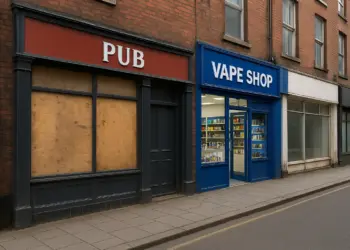
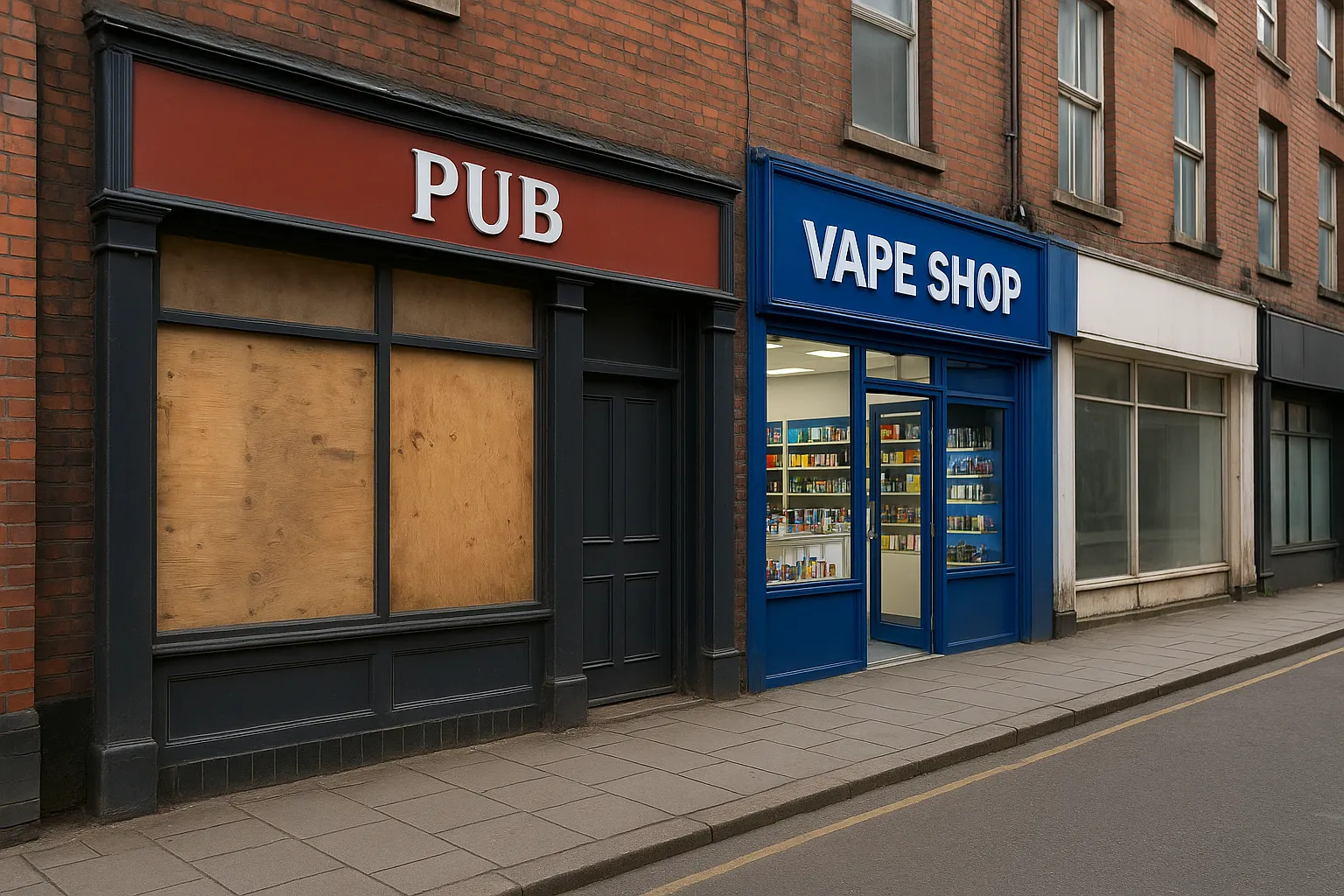
– UK loses seven pubs for every new vape shop.
– Almost 1,800 pubs closed in the last decade.
– Many believe there are too many vape shops.
– Oldham lost 30 pubs, gained ten vape shops.
– Pubs face closures due to rising business costs.
Full Story
Data released recently reveals a troubling trend in the UK’s retail landscape, with the alarming statistic that for every new vape shop established, seven pubs have closed their doors. An analysis conducted by the Centre for Social Justice (CSJ) indicates that almost 1,800 pubs and bars have ceased operations over the last decade, while only 245 new vape outlets have emerged across the nation. The proliferation of vape shops has raised concerns not only about their aesthetic impact but also about their association with criminal activity and diminishing community cohesion. Furthermore, these establishments pose safety risks due to the unstable lithium batteries commonly found in vaping devices, as highlighted by a recent fire incident in Glasgow.
As it currently stands, there are more than 2,200 vape shops in the UK. However, this growth is not uniform across the country: Members of Parliament (MPs) in Westminster benefit from a net increase of 35 pubs and bars since 2015, alongside the addition of ten vape shops. In stark contrast, residents of Oldham have witnessed the closure of 30 pubs over the same period, while the number of vape retailers has increased by ten.
Local shoppers in Oldham have voiced their frustrations, sharing testimonies of a shopping district littered with derelict businesses and shuttered pubs. Many lament the erosion of the town’s community spirit, which has been compromised by an influx of discount shops and vape retailers. Jill Kirk, 57, an administrative assistant, expressed her dismay while celebrating St Patrick’s Day at The Town Hall Tavern, stating, “Oldham has gone. It’s lost its identity. It’s just full of dodgy-looking food shops, mobile phone repair shops and barbers. And there seems to be a vape shop on every corner.” Her concerns extend to the legitimacy of the products sold, with allegations that many vapes are procured through illicit channels. Kirk referenced police seizures of illegal vape products last year, underscoring a growing sense of unease among the community.
Similarly, Robert Dunn, a 76-year-old retired television manufacturer, lamented the decline of his hometown: “This place used to be heaving with people. Now look at it. There’s no jobs in the town now. And if there’s no jobs, there’s less money around.” He noted the centrality of pubs to community life in the past, questioning what will replace an aging demographic that frequented these venues.
The rise of vape shops correlates with a 22 per cent increase in barbers, nail salons and other beauty services since 2015, showing a trend towards more transient cash-only businesses. Compounding the issue is the prevalence of unregistered retailers; estimates suggest a significant number of illicit shops may operate unnoticed, exacerbating community concerns.
Public sentiment mirrors these worries, with nearly 70 per cent of UK residents believing there are too many vape shops on High Streets, and 58 per cent agreeing there is an overabundance of barbers, according to Ipsos polling data. In light of these findings, the CSJ has called upon Labour to address the detrimental effects of these unauthorised establishments on Britain’s retail environments. The transformation of Oldham exemplifies this shift; in 2015, the city boasted 165 pubs and no vape stores, a stark contrast to the current figures of ten vape shops and just 135 remaining pubs.
Sally Irwin, 53, a local resident, shared her disappointment, stating, “There’s nothing to come into the town centre for now. It’s all mobile phones and vape shops.” Nostalgically, she recalled how the outdoor market used to buzz with life, providing a personal touch as locals became familiar with the traders. With the closure of the market, Irwin expressed fears about the legality and safety of products sold in vape shops, highlighting concerns over potential health hazards linked to illicit sales.
Peter Ralph, 62, echoed these feelings about the changing face of the high street, stating, “The high street has changed beyond recognition in recent years. But it has not changed for the better.” He noted that the closures of traditional stores have left behind a “cheap” retail environment with few welcoming spaces remaining for residents.
In Greater Manchester, towns have experienced one of the most significant shifts, moving from vibrant community hubs to areas filled with vacant properties and questionable enterprises. In Salford, ten new vape shops have opened while 25 pubs have vanished; in Bolton, the balance reflects a similar trend—ten new vape outlets against five closures of pubs. Rochdale has seen its vape shops double, losing 35 pubs in the process.
Josh Nicholson, head of housing and communities at the CSJ, remarked that areas with high concentrations of new vape shops often correspond with low-income and disadvantaged areas due to the availability of inexpensive rental spaces. He asserted that public perception reflects a broader frustration, stating, “What we can see from a lot of the polling is that the public think that there are too many vape shops, barbers, nail salons, these sort of cash-only enterprises.”
As UK pubs navigate a challenging financial landscape exacerbated by rising costs, including increases in national insurance, they face mounting pressure. Since 2010, the country has seen a staggering loss of 6,900 pubs, juxtaposed with a net increase of 25,000 barbers and beauty establishments. Amidst these changes, hospitality businesses have felt the strain, with an alarming four closing their doors daily by the end of 2025.
In response, the Labour government recently announced a £300 million support package for pubs to alleviate escalating business rates, prompted by a considerable backlash from the community. From April, pubs will also benefit from a 15 per cent discount on business rates. Nonetheless, industry representatives have cautioned that without similar support extended to the wider hospitality sector, many establishments may be forced to close.
In a statement, a government spokesperson expressed their commitment to preserving pubs as vital community hubs, highlighting initiatives to empower local communities to purchase at-risk pubs through their Pride in Place programme, which is reinforced with over £5 billion in funding. This initiative is paired with efforts to enhance regulations concerning vape shops to ensure thriving high streets throughout the UK.
Our Thoughts
To prevent the issues highlighted in the article, several key safety and regulatory lessons can be drawn. First, the proliferation of vape shops indicates a potential breach of the Health and Safety at Work Act 1974, particularly regarding the sale of unsafe products and inadequate oversight of business operations. Regulatory authorities need to enhance enforcement mechanisms to ensure compliance with safety standards, especially concerning lithium battery storage and sales practices.
Additionally, it is vital for local councils to conduct thorough assessments before granting licenses to new vape shops, as outlined in the Licensing Act 2003, to mitigate the risk of illegal operations and ensure community safety.
Community engagement is essential; revitalizing local pubs as community hubs could counterbalance the rise of vape shops. This aligns with the Localism Act 2011, encouraging local initiatives to reclaim and foster a sense of community.
Preventative measures could include regular inspections of vape shops, public awareness campaigns about the dangers of illegal vaping products, and supporting local businesses through funding and resources to thrive without compromising safety. Overall, a collaborative approach between local authorities, businesses, and communities is necessary to address the underlying safety concerns and restore community identity.