

















Story Highlight
– Unusual home smells may indicate serious issues.
– Fishy odors could signal overheating electrical components.
– Burning smells from radiators often result from dust buildup.
– Musty scents suggest damp and potential mould problems.
– Prompt action can prevent health risks and costly repairs.
Full Story
Certain odours in the home can signal underlying issues that demand immediate attention, according to heating specialist Ben Rawson. Homeowners are being urged to take unusual smells seriously, as they may indicate significant problems such as electrical faults, mould, and dampness, all of which pose potential health risks.
A notable trend was observed in November, with the search term “smell in house” being entered 50,000 times on Google in the UK, implying that many households are currently experiencing mysterious indoor odours. Rawson emphasizes the importance of distinguishing between harmless and concerning scents, urging vigilance when unusual smells arise within domestic environments.
One particularly alarming scent is a fishy or metallic aroma, which can suggest that electrical components such as wiring, sockets, or outlets are in a precarious state, potentially overheating. If these issues are not addressed promptly, they could escalate into serious risks, including the threat of electrical fires.
Rawson advises that homeowners encountering a fishy smell should take immediate precautions: “To avoid electrical fires, switch off and unplug any appliances that were recently in use as an initial step.” He underscores the necessity of not using any outlet sockets, switches, or extension cords that feel warm to the touch in these situations. Instead of attempting to resolve electrical problems independently, he strongly recommends reaching out to a qualified electrician who can accurately diagnose and repair the fault.
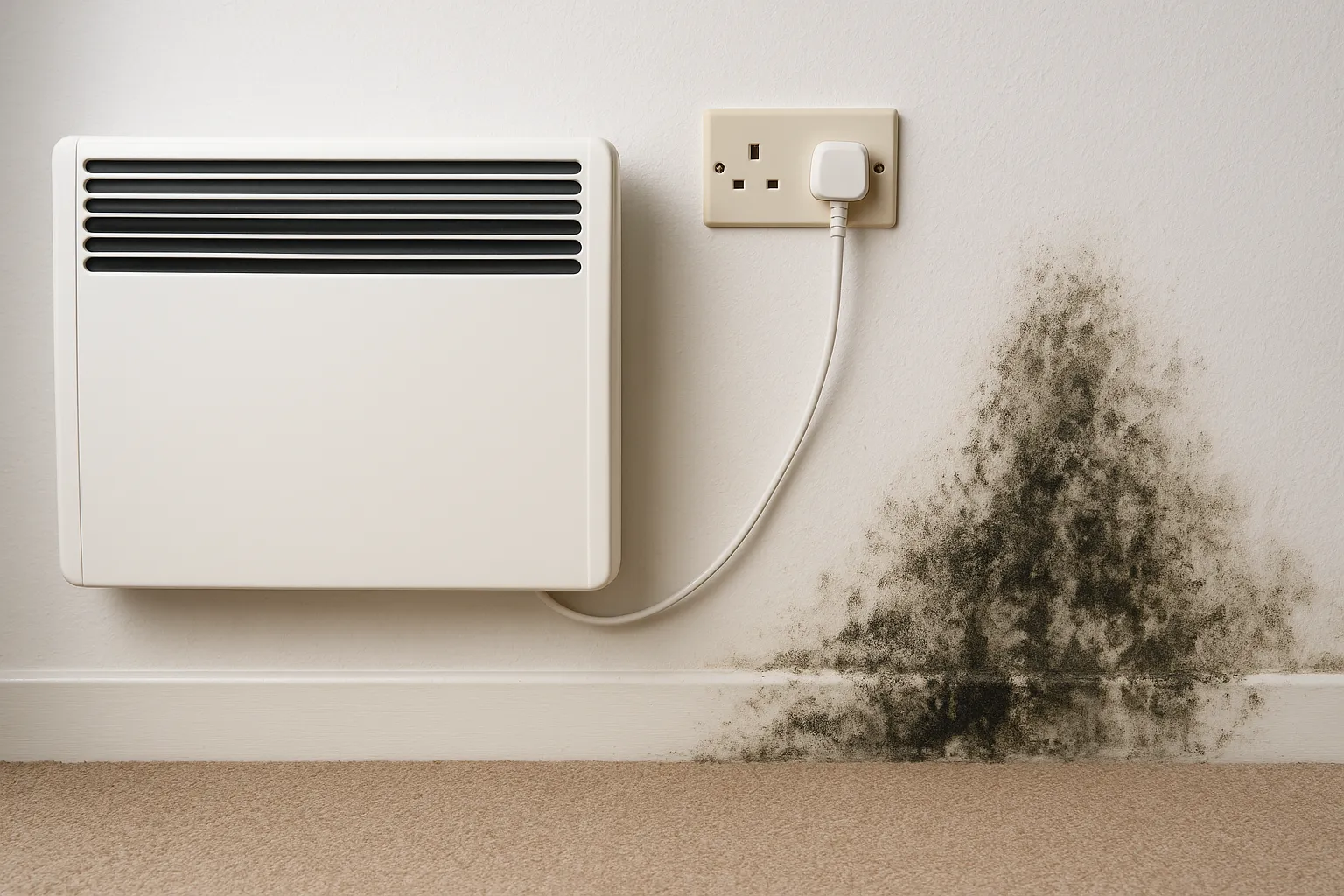
Another smell that often raises alarm is a burning odour, commonly associated with radiators. This scent is frequently noticed when radiators are activated after a prolonged period of disuse. During this downtime, dust can accumulate within the radiators, and once the heating is turned back on, these particles may burn off, leading to the unpleasant burnt smell.
Ben Rawson, of Electric Radiators Direct, suggests taking proactive measures to mitigate this issue. “To avoid the burning smell in electric radiators, make sure to clean prior to turning them on. Disconnect the radiator from the power supply to prevent electric shocks and allow it to cool down completely,” he states.
He recommends using a vacuum, dry cloth, soft duster, or even a hairdryer set to a cold setting to clear dust from between radiator vents. For a more thorough clean, a microfibre cloth with soap and warm water should be used to wipe down the unit’s exterior surfaces.
Musty odours emerge frequently, particularly during winter months, due to a combination of lower temperatures and inadequate ventilation leading to moisture retention indoors. Experts caution that these musty smells often indicate dampness and mould growth, which, if not addressed promptly, can lead to structural damage and respiratory health concerns.
“Musty smells are a common sign of a damp environment,” Rawson explains. He advises homeowners to take precautions when cleaning mould, such as wearing a mask and gloves, and suggests using a mixture of water and white vinegar for scrubbing affected surfaces. To prevent the reoccurrence of mould, he advocates for regular ventilation by opening windows to let fresh air circulate freely within the home. Using heaters that emit radiant heat is also recommended, as they can help keep walls and surfaces dry.
“The reality is that smells are often dismissed as minor inconveniences,” Rawson remarks. “However, they can serve as critical early warning signs of serious underlying issues.” He stresses the necessity of acting swiftly when an unusual odour is detected to safeguard not only one’s health but also to avoid more costly repairs in the future.
In summary, the presence of unexplained odours in one’s home should not be taken lightly. It is essential for homeowners to educate themselves about the implications of various scents and the corresponding actions that should be taken. Prompt attention to these warning signs can help mitigate risks and ensure a safer living environment. As many are becoming aware of the significance of indoor air quality, it remains paramount for individuals to remain vigilant and proactive in addressing any unusual smells that may arise in their homes.
Our Thoughts
Homeowners often overlook unusual smells in their properties, which can signify serious hazards, including electrical faults and mould, leading to health risks. Key safety lessons include proactively addressing smells rather than dismissing them and maintaining electrical systems.
Proper measures, such as cleaning appliances before use and checking for overheating components, could prevent electrical fires—a breach of the Electricity at Work Regulations 1989. Additionally, neglecting signs of damp could contravene the Housing Health and Safety Rating System (HHSRS) regulations, specifically concerning risks from mould and damp conditions.
To avoid future incidents, homeowners should implement regular inspections of electrical systems and properties for signs of dampness or mould, engage in proper cleaning routines, and ensure good ventilation. Relying on qualified professionals for electrical repairs rather than attempting DIY fixes can further mitigate risks associated with electrical faults, aligning with the Health and Safety at Work Act 1974’s requirements for maintaining safe working conditions. Regular maintenance and prompt action could significantly reduce health and safety risks in residential properties.