













Story Highlight
– Hospital A&E criticized for safety issues by CQC.
– Patients could harm themselves with accessible items.
– New facilities for mental health patients introduced.
– Staff recognized for compassionate care despite issues.
– Plans for new hospital and refurbishments announced.
Full Story
A recent inspection by the Care Quality Commission (CQC) has drawn attention to safety concerns at the Basingstoke and North Hampshire Hospital’s Accident and Emergency (A&E) department. Following a thorough evaluation conducted in July, the CQC classified the urgent and emergency care services at the facility as “requires improvement.” This designation comes amid worries that vulnerable patients, particularly those experiencing mental health crises, might be exposed to hazardous conditions.
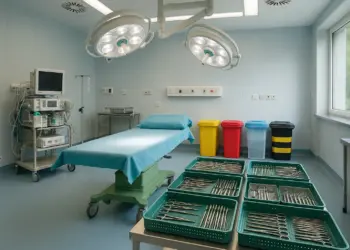
CQC inspectors discovered that patients in the A&E were not always provided a safe environment, with particular issues relating to the potential for self-harm. The report noted alarming features within the department, including exposed piping, accessible oxygen tubing that could pose a ligature risk, and unlocked storage spaces containing sharp instruments. These findings raised significant alarms regarding patient safety and the general environment of care.
In response to the report’s findings, Julie Dawes, the hospital’s chief nursing officer, acknowledged the shortcomings and expressed sincere regret over the CQC’s assessment. “This has been clearly very disappointing,” she remarked during an interview, underscoring the hospital’s commitment to addressing these critical issues. She highlighted the various improvements already undertaken at the facility, particularly aimed at enhancing the experience of mental health patients.
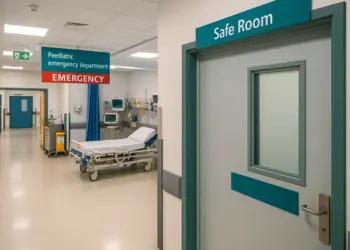
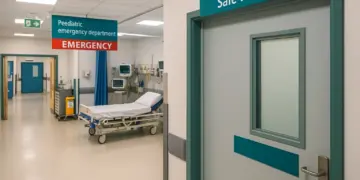
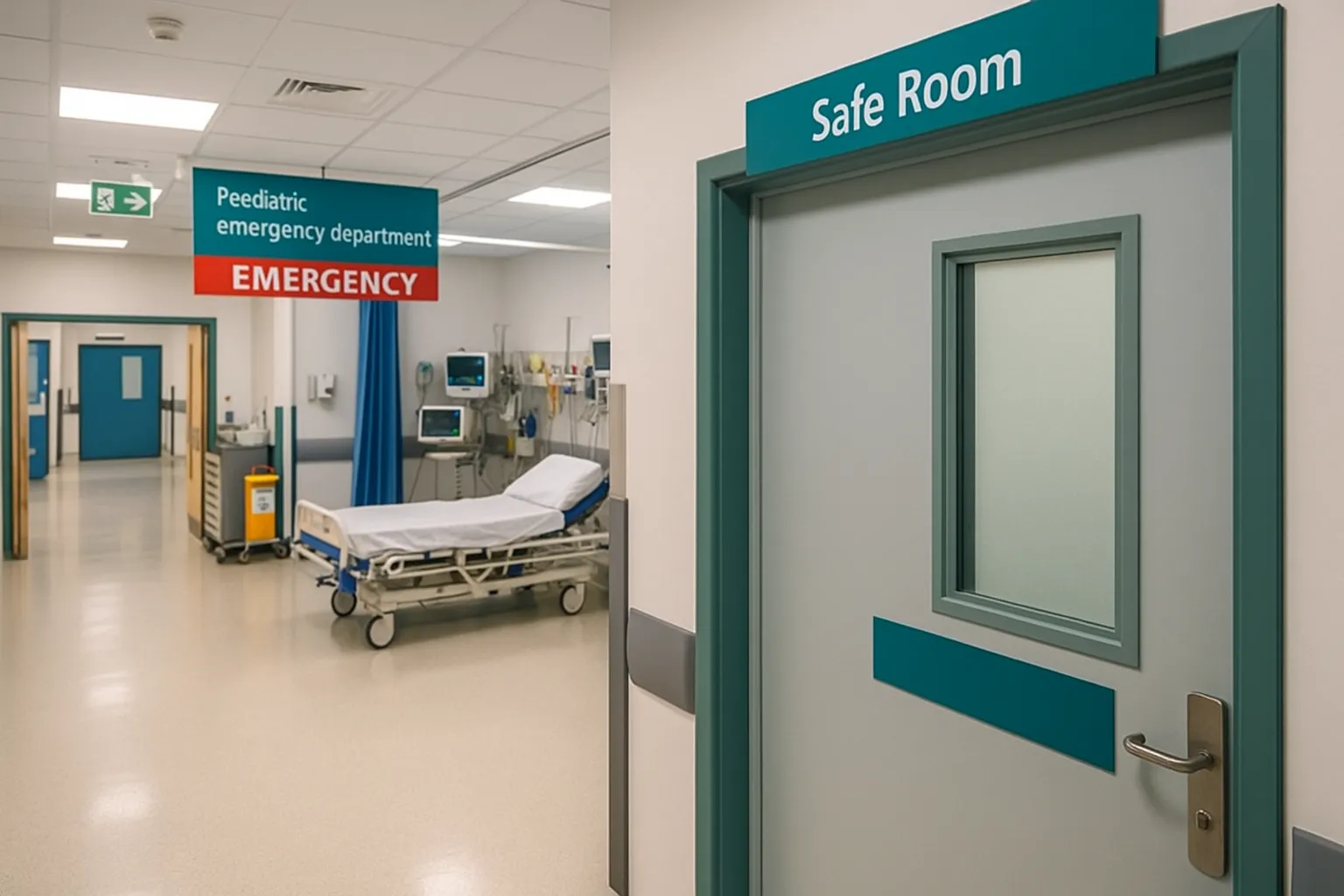
Significantly, the hospital has opened new dedicated spaces designed to support individuals facing mental health challenges. Dawes noted the establishment of a safe room within the paediatric unit, with plans to launch another space for adult patients in the near future, as well as additional suites planned for other areas of the hospital. “We have been working extremely hard to make the improvements required – a lot of things have already happened and we are in a different place,” she stated, reflecting the hospital’s proactive approach.
The CQC report remarked on the dedication of the staff, acknowledging the kindness and compassion they exhibit in their care approach despite the challenging environment. The overall rating for Basingstoke and North Hampshire Hospital remains good, indicating that while improvements are necessary, many aspects of care provided are commendable.
Dawes described the commitment of staff members to embrace training and education initiatives to enhance their skills. She noted an improvement in compliance with mandatory training since the visit from CQC inspectors. “The team have been amazing – absolutely fantastic at responding to some of the improvements required,” she added, emphasizing the positive spirit of collaboration among staff in addressing the identified issues.
The CQC’s deputy director of operations in Hampshire, Catherine Campbell, provided context on the hazards identified within A&E, noting that the environment had posed risks to individuals unfortunate enough to be in distress. “Despite incidents in which people had used items within the department to harm themselves, the service hadn’t taken effective action to reduce these risks,” she explained following the report’s release. This acknowledgment highlights the urgency with which the hospital must act to rectify these concerns.
In terms of future developments, plans are underway for a new hospital to serve the north and mid-Hampshire areas, alongside an extensive refurbishment of the Royal Hampshire County Hospital in Winchester. However, a recent National Audit Office report suggested that construction could be delayed significantly, with completion not anticipated until 2039, and the facility not operational until 2045.
As local stakeholders continue to advocate for improved healthcare capacity in Hampshire, these developments remain crucial. The community is eager for enhancements that ensure patient safety and quality of care, reflecting a public desire for accountability and responsiveness from healthcare providers.
The issues raised in the CQC report resonate deeply with local residents, who are understandably concerned about the safety of their healthcare environment. Following the report, ongoing discussions among health officials, community leaders, and patient advocacy groups are expected to revolve around ensuring that such safety hazards are thoroughly addressed.
As Basingstoke and North Hampshire Hospital navigates these challenges, it faces the dual obligations of improving safety while maintaining a high standard of compassionate care that the staff have been commended for. The focus on mental health support is a critical aspect of the hospital’s commitment to developing an inclusive and safe environment for all patients.
Community members are encouraged to remain engaged and attentive to the progress being made at Basingstoke and North Hampshire Hospital, with ongoing updates from the CQC and hospital administration expected. Local media channels will continue to monitor and report on significant developments, reflecting the public’s interest in transparent and effective healthcare provision in the region.
Our Thoughts
The CQC report on Basingstoke and North Hampshire Hospital highlights significant safety failures in the A&E department, particularly concerning mental health patients’ safety. To avoid these issues, the hospital could have implemented more stringent risk assessments and control measures as mandated by the Health and Safety at Work Act 1974. Specific actions such as securing areas containing sharp objects, covering exposed pipework, and locking rooms with hazardous items would comply with the Provision and Use of Work Equipment Regulations (PUWER) 1998, reducing risks of self-harm.
Furthermore, improved training focusing on environmental safety and protocols for handling mental health crises could bolster compliance with the Management of Health and Safety at Work Regulations 1999, which require employers to make suitable arrangements for the provision of health and safety training. Regular audits and responsiveness to safety audits could foster a culture of continuous improvement and safety, aligning with the CQC’s expectations and enhancing the overall care environment. Future incidents can be mitigated through a proactive approach to identifying and managing risks, ensuring that vulnerable patients are protected within hospital settings.