















Story Highlight
– Huel is a meal replacement powder with a growing fan base.
– Ingredients include gums, proteins, starches, and artificial sweeteners.
– Experts warn against replacing solid food with powders.
– High protein levels may harm kidneys; moderation advised.
– Concerns raised about suitability for eating disorders and children.
Full Story
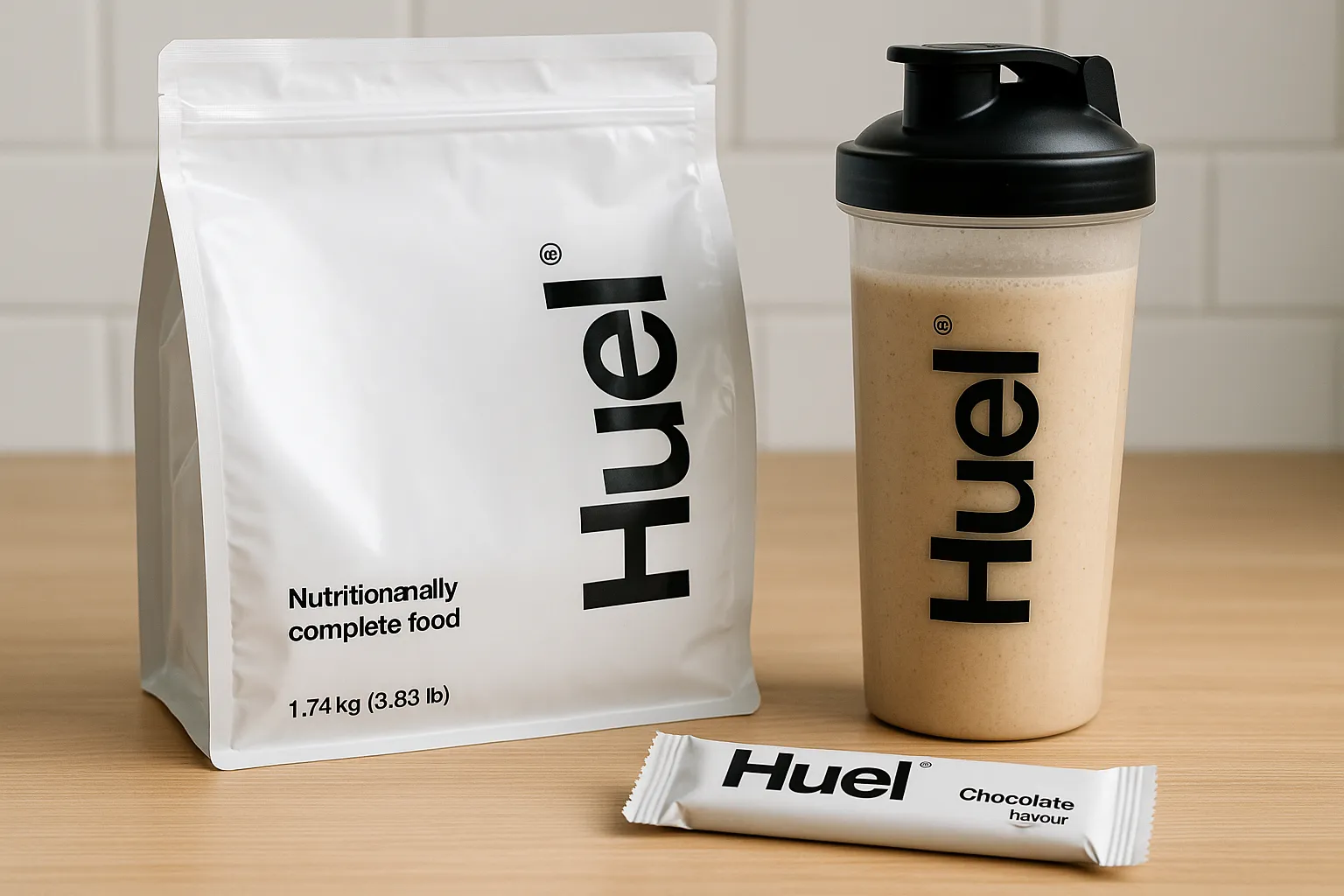
Huel, a meal replacement product launched in 2015, has gained popularity for its promise of providing a nutritionally complete meal in a convenient format. The brand name itself is a blend of the words ‘human’ and ‘fuel,’ reflecting its marketing strategy that appeals to those seeking quick, health-conscious options. However, as the product has gained a loyal following, scrutiny has arisen regarding its ingredient composition and the overall health implications of using it as a mainstay in one’s diet.
It is promoted as containing a balanced mix of macronutrients, vitamins, and minerals essential for human health. A single serving of Huel claims to deliver all the necessary components for a meal. Consumers appreciate the ease of preparation, with the ability to mix it quickly in a bottle or snack on Huel-branded bars, but experts caution that not all the ingredients may be advisable for regular consumption.
A closer examination of Huel’s ingredients reveals various additives such as guar gum, xanthan gum, and medium-chain triglyceride (MCT) powder, alongside more recognizable components including pea protein, tapioca starch, faba bean protein, and sucralose. Despite being considered safe for many, professionals have raised questions about replacing whole foods with a diet predominantly comprised of powdered meal substitutes.
One significant concern is whether consuming a purely liquid meal replacement is conducive to health. While the convenience of Huel may help circumvent meal prep, and its calorie count (around 400 calories per drink) could potentially aid those aiming for weight loss, nutritionist Rob Hobson has voiced skepticism about the long-term efficacy of such diets. Hobson suggests that, while a serving of Huel could provide nearly the same energy as a small to medium meal, the product should be seen as a temporary alternative rather than a permanent solution to dietary needs. He emphasizes the importance of learning how to maintain a balanced diet through traditional means of cooking and shopping.
Liquid meals, according to Hobson, can dampen the body’s natural response to hunger. The act of chewing is essential for allowing the body to register fullness, as it signals the brain through the vagus nerve, a critical player in appetite regulation. While Huel may offer substantial nutritional content that can satiate hunger through fats, proteins, and fibres, the absence of chewing might undermine the user’s overall eating experience and decrease satisfaction.
The debate surrounding Huel also extends to its perceived healthiness based on its artificial components. Gary Frost, a nutrition professor at Imperial College London, critiqued Huel as being a completely processed food. Nonetheless, experts have noted that does not automatically render Huel detrimental to health. Guar gum is commonly used in various everyday products, and MCTs, derived from coconut and palm oils, have found their way into sports nutrition products.
Taste is another critical aspect under scrutiny. Users on platforms like Reddit have shared mixed reviews, describing flavors ranging from ‘apple porridge with grass’ to being ‘gloopy’ and overly sweet. Some professionals argue that while the taste may not appeal to everyone, the products do not pose a health risk based on their ingredients.
The company itself promotes Huel as a balanced breakfast or lunch and has even funded research suggesting that a diet composed entirely of Huel can meet daily nutritional requirements. A study involving healthy participants showed that not only did they meet their nutritional goals while consuming Huel exclusively for four weeks, but they also experienced favorable changes in cholesterol and blood sugar levels.
However, experts caution against consuming an unregulated quantity, as high protein levels in Huel could lead to health issues. The NHS advises daily protein intake of around 55g for men and 45g for women. With a single serving containing 30g, the potential for excessive protein consumption exists, which might induce stress on the kidneys, particularly in individuals already facing kidney challenges.
Huel has also faced controversy over a past report revealing unsafe lead levels in one of its products. The US-based Consumer Reports indicated that Huel’s Black Edition protein powder contained more lead per serving than the recommended daily safe intake. Huel’s representatives responded firmly, asserting that their products comply with UK and EU regulations and insisting that the report exaggerated the risks involved.
Furthermore, while some individuals report experiencing digestive issues such as bloating or gas—often attributed to the high fibre content—many users need to gradually acclimate their bodies to increased intake of fibres. The NHS recommends a daily fibre intake of 30g, which may lead to discomfort for users suddenly consuming a fibre-rich product like Huel.
Dieticians express additional concerns about both individuals with existing eating disorders and children using Huel as a nutrition source. Research suggests that meal replacement solutions can trigger restrictive eating patterns in those susceptible to eating disorders. Although Huel claims its products can be utilized by individuals recovering from such conditions, it advises that consultation with health professionals is essential. Additionally, the inclusion of Huel into children’s diets raises caution among health experts, who advocate for exposure to a variety of whole foods over processed options.
In conclusion, while Huel provides an innovative and convenient meal option for many, it is not without complications. The ongoing discussion among health professionals about safety, nutritional adequacy, and the potential risks shows that a balanced approach to diet—one that encourages homemade meals and diverse food choices—remains paramount for long-term health benefits.
Our Thoughts
The article on Huel raises several health and safety concerns that could have been proactively addressed. Key lessons include the importance of thorough ingredient scrutiny and consumer education around meal replacement products. The UK’s food safety regulations, such as the Food Safety Act 1990, mandate that food must not be harmful to health, which raises questions about potential health issues associated with high protein intake and reported side effects like severe flatulence and gout.
To avoid such concerns, Huel could have implemented stricter testing protocols to ensure their products do not exceed safe lead levels, in line with the Food Safety and Hygiene (England) Regulations 2013. Additionally, more robust guidance regarding the suitability of their products for individuals with pre-existing health conditions or those recovering from eating disorders would align with the Health and Safety at Work Act 1974’s emphasis on protecting workforce health.
Preventive measures for similar incidents include comprehensive consumer education regarding dietary balance and the potential risks of exclusive meal replacements, promoting a narrative that encourages varied diets rather than reliance on processed products.