
















Story Highlight
– HSE inspectors visiting Manchester for construction site checks.
– Focus on health risks and safety management practices.
– Nationwide inspections include 14,000 targeted on health issues.
– Construction sector has higher rates of work-related injuries.
– Aim to ensure worker safety and compliance with regulations.
Full Story
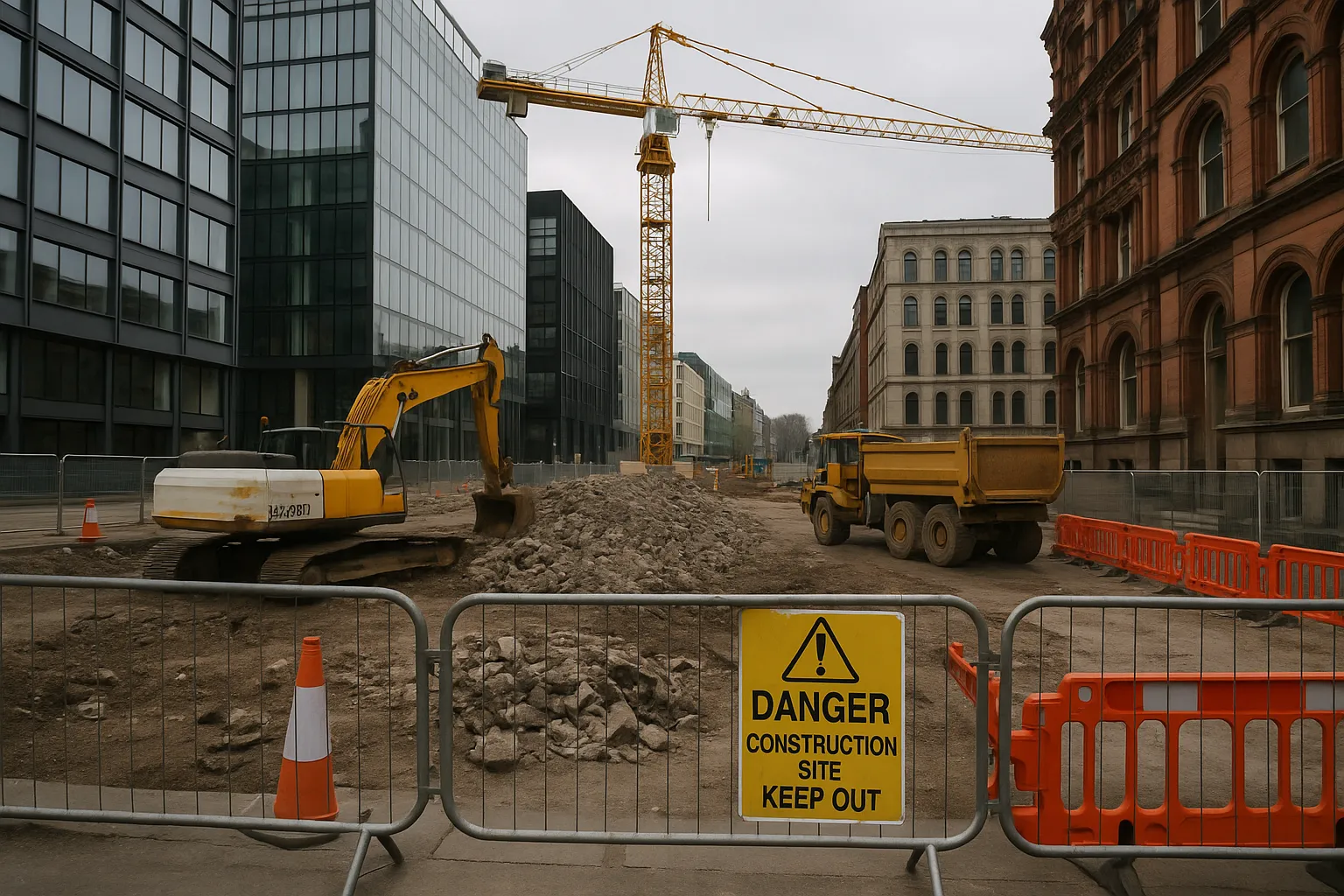
A contingent of inspectors from the Health and Safety Executive (HSE) is set to engage in unannounced visits across Manchester city centre, aimed at addressing health concerns prevalent in the construction sector. Next Tuesday, 21 October, a group of 12 inspectors will assess various construction sites and businesses, conducting thorough evaluations of their health and safety protocols.
These inspections are part of HSE’s broader initiative, which involves 14,000 assessments across the UK during the ongoing financial year. A significant portion, approximately 8,000, will focus specifically on health-related issues.
Kevin Jones, a principal inspector with HSE, noted, “We’ll be checking that businesses have the right measures in place to ensure health risks are being managed and that workers are being kept safe.” He emphasised that while Manchester boasts numerous large-scale construction endeavours, inspections will also extend to smaller sites.
The construction industry is classified as high-risk, often characterised by noise, dust, and tasks performed at heights, which frequently involve heavy machinery and vehicles. The sector is known for having elevated rates of work-related musculoskeletal disorders and injuries. Recent inspections conducted by the HSE in various locations have revealed that 75% of noisy workplaces lacked adequate knowledge regarding the maintenance of hearing protection measures. Furthermore, skilled tradespeople working on older structures may encounter asbestos, a substance present in many buildings erected before 2000.
“These inspections are crucial to HSE’s mission to protect individuals in the workplace,” Kevin Jones added, highlighting a dual focus on compliance and collaboration. He expressed the organisation’s aim to partner with companies, providing guidance on health and safety best practices. “We hope that our presence in the city next week will reassure both the public and those working in the industry that we will do all we can to ensure people go home safely at the end of the day.”
The inspectors will look for evidence of effective control measures to confirm the prioritisation of worker health and safety. Jones expressed anticipation for engaging with site managers and employers, stressing the necessity of adherence to safety regulations and practices.
Employers seeking guidance on health and safety obligations can find resources on the HSE website, which offers vital information tailored to various sectors. This includes resources for tradespeople regarding asbestos management and advice for those responsible for overseeing asbestos-related duties in buildings.
The HSE serves as Britain’s primary authority on workplace health and safety, committed to safeguarding individuals and ensuring safer working environments. Their continuous efforts include providing updates and resources on legislation and health and safety compliance.
In light of the upcoming inspections in Manchester, the HSE aims to foster a culture of safety and awareness within the construction industry. Ensuring that thorough safety measures are in place not only protects the workforce but also engenders public trust in construction practices. As the city is home to significant building projects, the outcomes of these inspections could have lasting implications for workplace safety standards.
For more details about the responsibilities of employers regarding health and safety, as well as the latest updates from HSE, stakeholders are encouraged to visit the official HSE website. The site offers straightforward and actionable advice for various roles within the construction sector, reinforcing the need for compliance with health and safety legislation.
The inspections, spearheaded by the HSE, stand as a testament to the ongoing commitment to ensuring safer, healthier work conditions across the construction industry, ultimately aiming to minimise risks and enhance the overall safety culture.




Good to see proactive inspections focusing on on site health risks. Regular unannounced visits are essential to checking that controls for dust noise and asbestos are actually working, not just on paper. Managers should use this as a prompt to review risk assessments, ensure health surveillance where needed, and brief workers on reporting concerns. For operatives it is a reminder to challenge unsafe practices and to raise issues promptly. Consistent enforcement and visible site leadership will help reduce long term harm.
Good to see proactive inspections. Regular site visits help ensure controls for dust noise and asbestos are in place and being used correctly. Employers should use this as a prompt to review risk assessments, provide appropriate training and health surveillance, and make sure welfare facilities and monitoring are adequate. Workers should feel empowered to raise concerns and report unsafe conditions so issues can be addressed before they cause harm.
Good to see proactive inspections. Unannounced visits are an effective way to check controls are working day to day and not just on paper. Sites should use this as a reminder to review risk assessments, ensure effective dust and noise controls, confirm asbestos surveys and management plans are up to date, and make sure staff have the right information and PPE. Engagement with the inspector is an opportunity to learn and improve rather than just a compliance exercise.
Good to see proactive inspections planned. Unannounced checks are an effective way to verify controls are in place day to day rather than just on paper. Key areas to focus on should include adequate risk assessments, effective control of dust and asbestos risks, proper hearing protection and monitoring for noise, and clear site supervision to ensure procedures are followed. Engagement with workers and visible signage also help maintain compliance. If sites use competent contractors and keep records of training and maintenance for controls, they will be best placed to demonstrate they are protecting their workforce.