














Story Highlight
– Leeds manufacturer fined £16,000 for health and safety breaches.
– Two workers lost fingers in separate machinery incidents.
– Inadequate machine guarding and insufficient training identified.
– Victims’ injuries will affect their lives permanently.
– Company ordered to pay additional victim surcharge and costs.
Full Story
A Leeds-based manufacturer of plastic products has been fined following two serious incidents in which employees suffered finger injuries from machinery. Commercial Lines Ltd, operating under the name HLN Supplies, faced legal consequences after admitting to breaches of health and safety regulations. The firm was ordered to pay a total of £16,000 at a hearing held at Leeds Magistrates Court.
The incidents occurred within a short time frame, just ten days apart, highlighting significant safety oversights at the workplace. The first accident involved Angela Morrison, a 61-year-old grandmother of eight, who severely injured her finger on 12 August 2024 while attempting to resolve a blockage in a sanding machine. The damage to her finger was so severe that she ultimately required amputation.
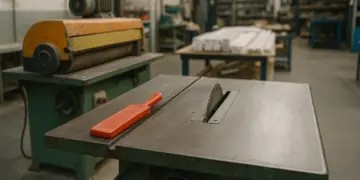
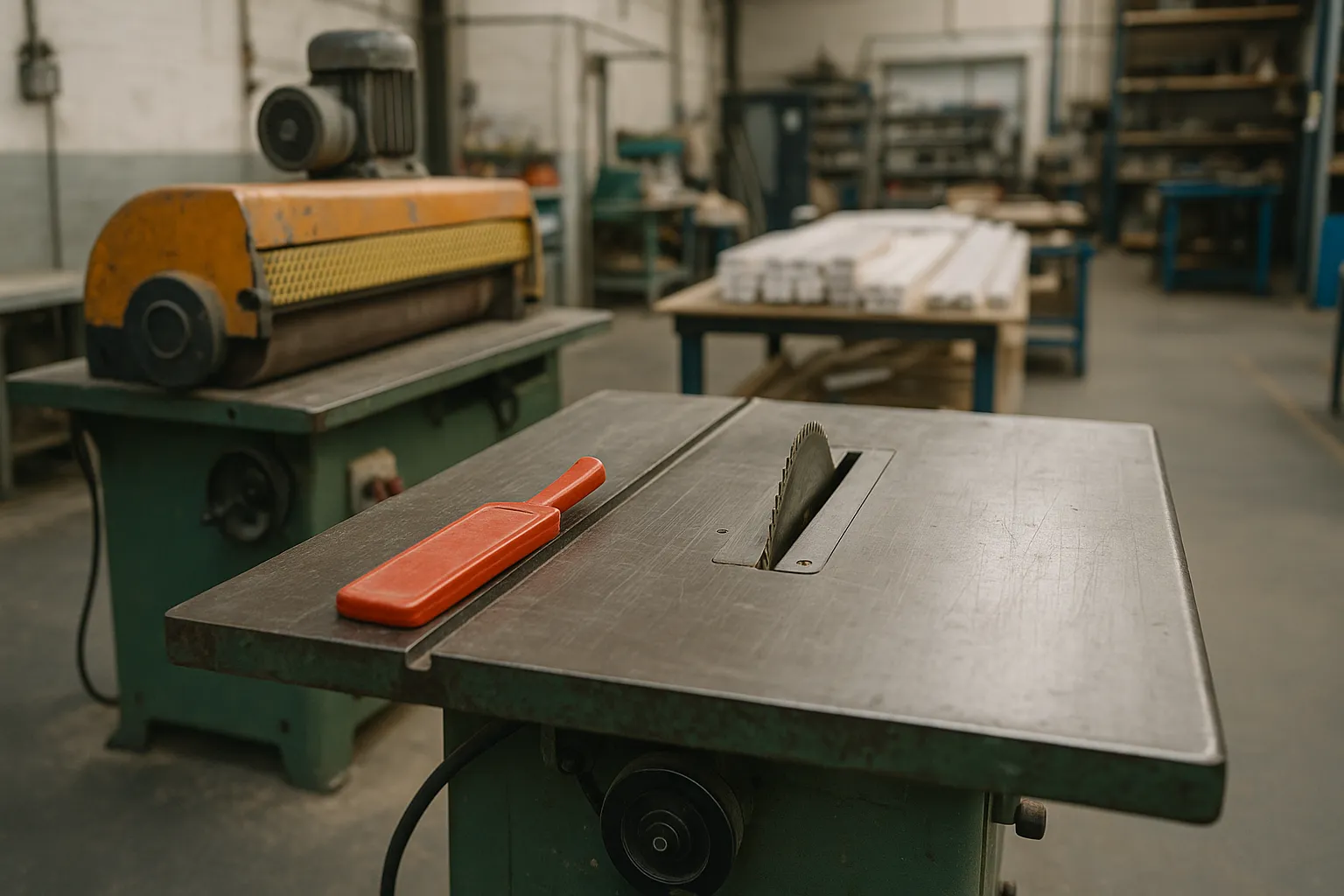
In a separate incident later that month, another employee, a 57-year-old man, lost part of his index finger while using a table saw. His injury occurred when his left hand came into contact with the saw’s blade while cutting plastic strips. These two separate accidents raised serious concerns about the safety measures in place at HLN Supplies.
The Health and Safety Executive (HSE), which brought the prosecution against the company, found that the management had not provided sufficient protective guarding on the sanding machine, allowing dangerous parts to be readily accessible. Furthermore, the investigation revealed that the training provided for operating the table saw was inadequate, and there were no established safe work practices for cutting small materials.
Morrison expressed her distress regarding the life-altering impact of her injuries. Following the accident, she underwent surgery to remove the remainder of her damaged finger, with another amputation of a different finger also scheduled. Reflecting on her experience, she noted the daily challenges she faces, stating, “You don’t notice it until you go and do something and then you realise you can’t. Little things like opening the oven or getting out change in my purse.” She added that the incident often leads her to reflect on how it could have been avoided, lamenting, “If only it didn’t happen or if I’d done something differently. I just want to turn the clock back.”
HSE inspector Gavin Carruthers remarked on the preventability of these incidents. He described them as “completely avoidable,” emphasizing the long-term consequences for the affected workers. He pointed out the additional emotional weight of the situation, given that one of the injured parties was a long-standing employee at the company, having worked there for nearly three decades.
In addition to the fine, HLN Supplies was ordered to pay a victim surcharge of £2,000 and court costs amounting to £6,534.85. Such penalties are intended to underline the importance of adhering to safety regulations in the workplace, particularly in environments where machinery is in use.
These incidents shine a light on larger issues surrounding workplace safety and the responsibilities of employers to ensure that adequate training and protective measures are in place for their employees. The fines and legal actions taken against HLN Supplies may serve as a warning to other businesses about the critical importance of prioritising health and safety standards, not only to protect their workforce but also to avoid severe financial and reputational consequences.
In recent years, the dialogue around workplace safety has gained increasing prominence, prompting many firms to re-evaluate their practices and implement stricter safety protocols. The case of HLN Supplies serves as a sobering reminder of the human cost of workplace negligence, affecting both employees and their families.
As the voice of workers and health professionals continues to grow, industries are being urged to engage in proactive measures that promote training, compliance, and a culture of safety. The unfortunate experiences of Angela Morrison and her colleague echo the harmful effects of overlooking safety in manufacturing environments, where machinery poses inherent risks.
The HSE’s involvement in this case highlights its ongoing commitment to enforcing health and safety laws, thereby safeguarding workers across various sectors in the UK. It also exemplifies the need for employees to feel empowered to speak up about unsafe conditions without fear of repercussion – an essential element in cultivating a safe working environment.
Community reactions have varied, with many expressing sympathy for the injured workers and admiration for Morrison’s bravery in sharing her story. Local advocacy groups have called for increased awareness of workplace safety regulations and better support systems for employees who may face similar risks.
As this case continues to resonate within the community, it is vital for both employers and employees to collaborate on establishing robust safety procedures that prevent future accidents. Effective communication and training can help to ensure that no one else has to endure the painful consequences of workplace injuries like those suffered by Morrison and her colleague. The road to recovery may be long for them, but their experiences hold valuable lessons for improving workplace safety standards in the industry.
Our Thoughts
The incidents at Commercial Lines Ltd highlight significant breaches of UK health and safety legislation, particularly regarding the Provision and Use of Work Equipment Regulations 1998 (PUWER) and the Management of Health and Safety at Work Regulations 1999. The failure to provide adequate machinery guarding on the sanding machine directly contravenes PUWER, which mandates that equipment must be safe and appropriately guarded. Additionally, the lack of proper training and safe work systems for the table saw use violates the duties set out in the Management Regulations to assess risks and provide necessary safeguards.
To prevent similar incidents, it is crucial for employers to implement comprehensive risk assessments and ensure that all machinery is equipped with effective safety features. Regular maintenance and inspections of equipment, along with ongoing training programs tailored to specific tasks, should be prioritized. Establishing clear safe work procedures for handling small materials would also mitigate the risks associated with using dangerous machinery. By fostering a robust safety culture and strictly adhering to legislation, such incidents could be effectively avoided in the future.