















Story Highlight
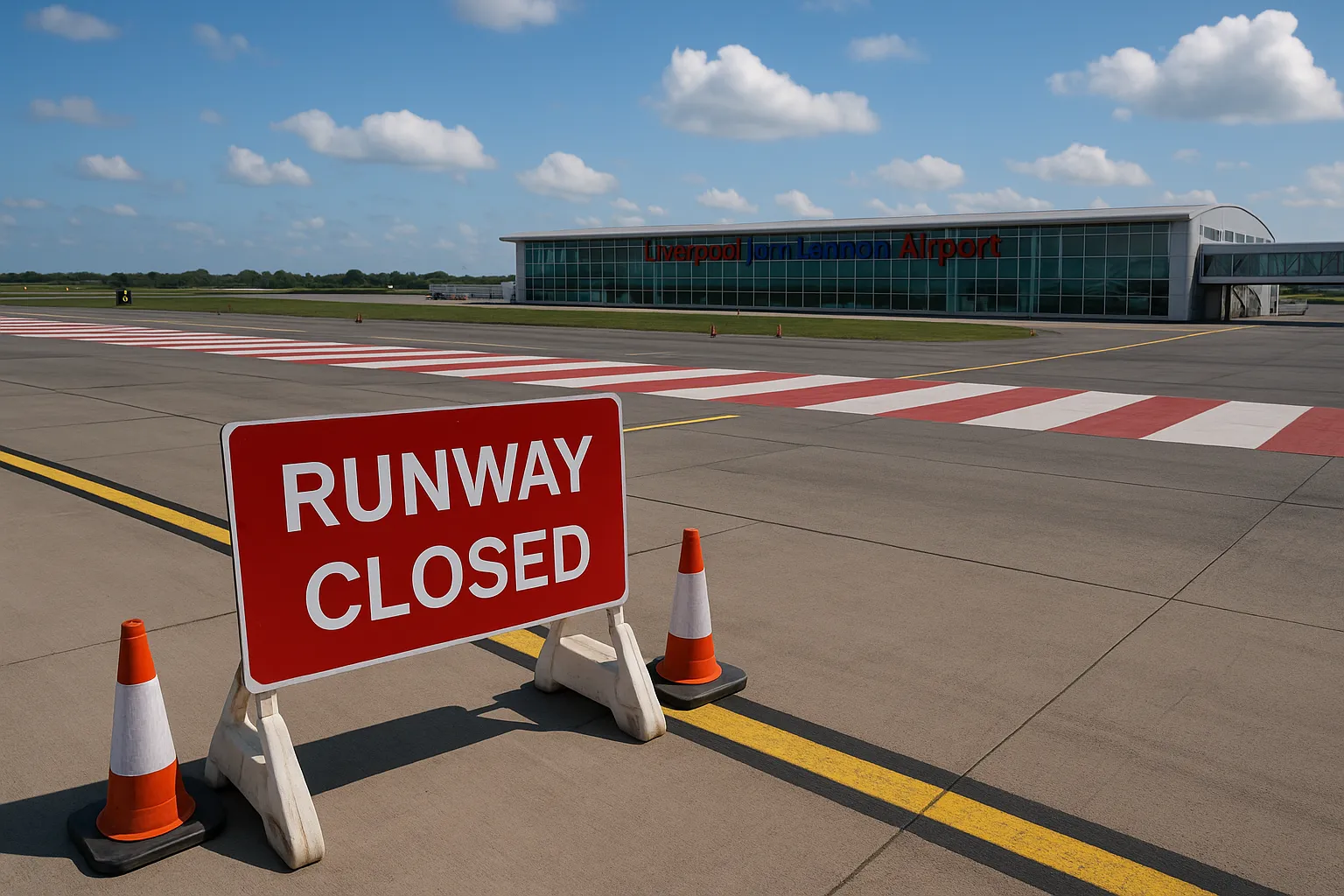
– Liverpool John Lennon Airport’s runway closed; flights cancelled.
– Airlines have a duty of care to passengers.
– Passengers entitled to food and drink during delays.
– Overnight delays entitle passengers to accommodation.
– Canceled flights allow refunds or re-routing options.
Full Story
Liverpool John Lennon Airport has recently experienced significant disruptions, leading to the closure of its runway and the cancellation of several flights. This situation has raised questions concerning the rights and entitlements of passengers affected by these changes.
Passengers facing disruption are advised to be aware of their rights. Rory Boland, editor of Which? Travel, highlights that airlines retain a responsibility towards their passengers during such incidents. “They must provide clear information about [passengers’] rights to assistance or a refund,” he explained. Airlines are obligated to support their customers, ensuring that they understand the entitlements available to them.
The entitlements vary depending on the nature of the disruption. For passengers flying with UK or EU airlines, or departing from UK or EU airports, certain provisions are in place. During delays, passengers can expect to receive food and drink after a specified duration—specifically, over two hours for short-haul flights, three hours for medium-haul, and four hours for long-haul travel.
In instances where overnight stays become necessary due to flight cancellation or major delays, passengers are entitled to accommodation as well. Furthermore, when a flight is cancelled, travelers can opt for a full refund or choose to be re-routed on the next available flight. Boland emphasised that if a passenger selects the re-routing option, the airline is required to facilitate the journey as promptly as possible, which may involve booking the passenger with a different carrier if needed.
It is essential for travelers to maintain communication with their airline to ensure they receive the assistance they are entitled to during such disruptions. Airlines are generally equipped to provide information about available re-routing options or refunds, but proactive contact from passengers can sometimes expedite the process.
As travel experts stress, knowledge of these rights is vital for passengers, particularly during peak travel seasons when disruptions may be more common due to adverse weather or operational challenges.
The situation at Liverpool John Lennon Airport serves as a reminder for travelers to remain informed and prepared in the event of unforeseen disruptions. Passengers are encouraged to familiarise themselves with their airlines’ policies and the specific guidelines governed by both UK and EU regulations, which are designed to protect consumers in the aviation sector.
In addition to the immediate impacts on travelers, such disruptions can also have broader implications for the aviation industry and regional economies reliant on travel and tourism. When flights are cancelled or delayed, the cascading effects can ripple through various sectors, from local hotels and restaurants to transport services that depend on airline schedules.
While the airport works to resolve the operational issues leading to these disruptions, it may also be beneficial for affected passengers to consider additional travel insurance. This can provide an extra layer of security, ensuring that they are protected against unexpected expenses arising from cancellations or delays.
In the wake of such situations, maintaining an awareness of consumer rights becomes paramount for travelers across the UK and Europe. Understanding the legal obligations of airlines can help passengers navigate the challenges posed by flight cancellations or delays, ultimately aiding them in making informed decisions about their immediate travel needs and future flight plans.
As the aviation sector continues to recover and adapt to a post-pandemic landscape, these discussions around passenger rights and responsibilities are vital. The evolving dynamics of flight operations and the commitment of airlines to uphold their duty of care can significantly influence passenger satisfaction and trust in air travel.
In conclusion, passengers at Liverpool John Lennon Airport facing recent disruptions should be proactive in seeking assistance from their respective airlines and understanding their rights under UK and EU regulations. With the support of travel experts and consumer rights organisations, travelers can better navigate the complexities of air travel and ensure their entitlements are respected even amid challenging circumstances.
Our Thoughts
The incident at Liverpool John Lennon Airport highlights several safety and regulatory considerations. To mitigate the disruption and ensure passenger welfare, airport management could have implemented improved communication strategies and contingency planning. Establishing clear protocols for informing passengers promptly about delays, cancellations, and their rights is crucial.
Under UK health and safety legislation, specifically the Civil Aviation (Air Travel Organisers’ Licensing) Regulations and the UK National Air Traffic Services, airports and airlines have a duty to provide care and support to passengers during such events. Breaches occurred if passengers were not adequately informed about their entitlements to food, drink, and accommodation during extended delays.
Key lessons include the necessity for effective crisis management, ensuring that airlines and airports have well-established systems in place that comply with legal obligations to assist affected passengers. Regular training for staff on these regulations could also enhance the response to unforeseen airport closures and safeguard passenger interests in future incidents. Additionally, better infrastructure and contingency arrangements for extreme weather or emergency situations could help prevent similar events from escalating.