
















Story Highlight
– London dropped from 13th to 18th in rankings.
– Paris ranked as the world’s greatest city again.
– London excels in tourism infrastructure but lags in sustainability.
– Third most-visited city globally despite ranking decline.
– New pizza restaurant and Barbican makeover announced.
Full Story
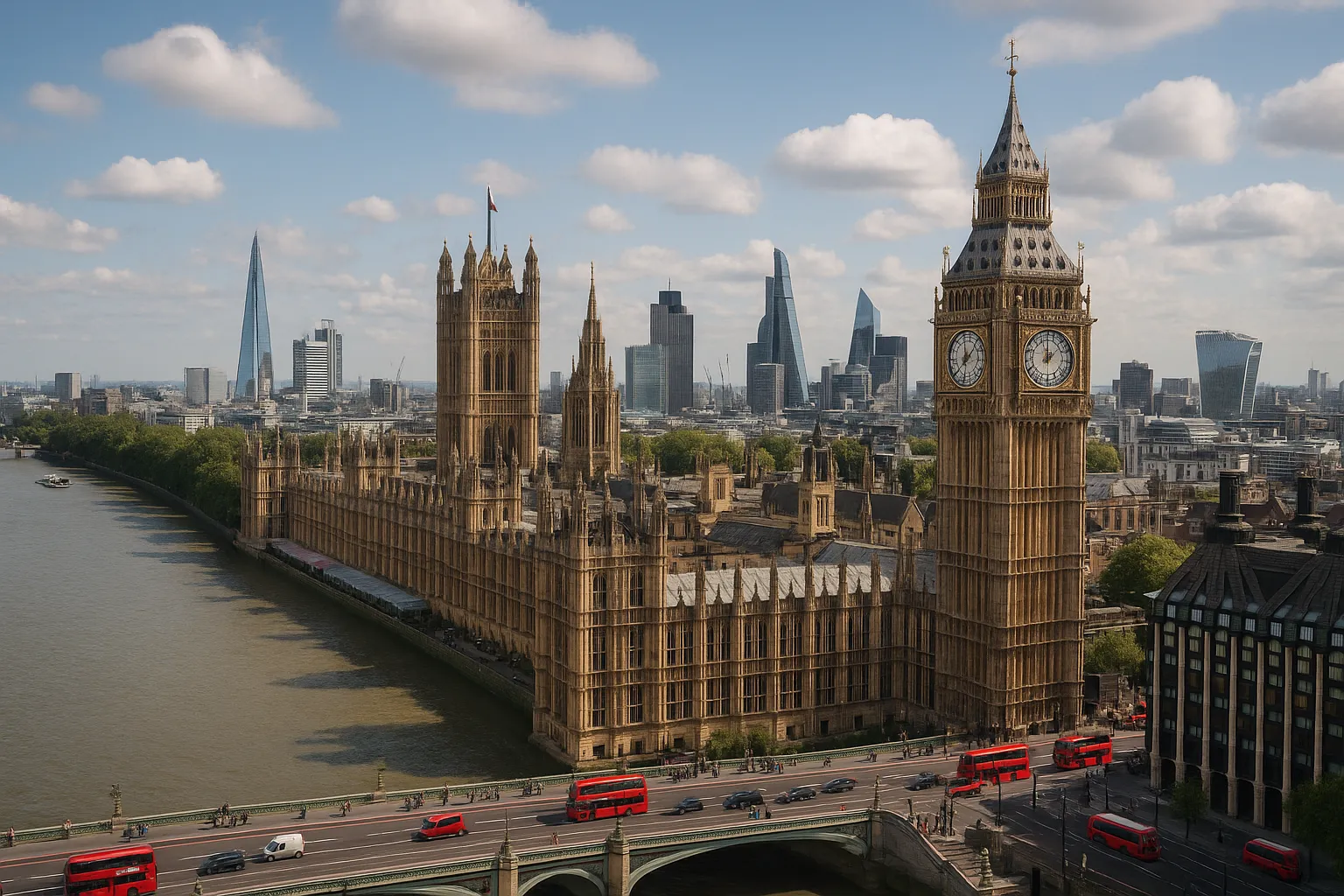
London has traditionally been viewed as a cultural epicentre, boasting a vibrant array of restaurants, landmarks, and a diverse population. Yet, recent evaluations have thrown a spotlight on the challenges that this iconic city faces, particularly in the realm of competitiveness on the global stage. A noteworthy indicator of this shift is the recent release of the Top 100 City Destinations Index by Euromonitor International, which assesses cities worldwide based on a comprehensive set of criteria.
In the latest iteration of the index, London has experienced a significant decline, dropping from 13th place in 2025 to 18th in 2026. This marks a second consecutive year of falling rankings for the UK capital, which was once heralded as a firm fixture in the top 10. The criteria employed by Euromonitor International include tourism policy, infrastructure, economic performance, sustainability, and health and safety—a multidimensional approach that highlights the various facets of urban appeal.
Despite these setbacks in ranking, London’s allure appears unscathed in some respects. The city remains the third most-visited destination globally, suggesting that the global attraction of its historical and cultural offerings persists. Analysts have pointed out that while London ranks highly in tourism infrastructure, its performance has been less commendable in areas such as health and safety, tourism policy, and sustainability practices.
The influence of European cities is particularly striking in this year’s ranking, with Paris clinching the top position for the fifth consecutive year. Renowned for its robust tourism framework and cultural impact, the French capital has not only retained its lead but has also drawn significant traveller interest with initiatives such as the reopening of Notre-Dame de Paris. This historical landmark’s revival is viewed as a pivotal factor attracting visitors, reinforcing Paris’s status as a prime destination.
Other cities that occupied the top spots in the index included Bangkok, which has secured a notable position owing to its vibrant street life and cultural richness, alongside Dubai and Amsterdam, both recognised for their unique tourist offerings and infrastructure enhancements. London’s drop in the rankings prompts a broader discussion about the factors influencing urban desirability and the ongoing competition among global cities to attract tourists and businesses alike.
However, it is essential to consider the local perspective amidst these global rankings. Residents of London have long been aware of the escalating challenges, notably in the realms of cost of living, particularly housing affordability. The spike in rent prices has become a pressing concern for many, leading to calls for policies that better support residents and enhance the city’s livability.
In light of its recent setbacks, London is taking steps to adapt and evolve. For instance, the city is set to welcome a new all-day thin-crust pizza restaurant, highlighting an ongoing commitment to culinary innovation that is so often a draw for visitors and locals alike. Additionally, cultural venues like the Barbican Centre are embarking on significant renovations, such as the planned revitalisation of the Sculpture Court, underscoring a push towards maintaining the city’s cultural assets.
Furthermore, experts emphasise the importance of innovation in tourism strategies and sustainable practices to regain competitiveness. “It’s crucial that cities like London look at how they can improve not just their infrastructures, but also their sustainability and health policies,” remarked Janet Henderson, a tourism expert at the London School of Economics. “Without these improvements, maintaining attractiveness will become increasingly difficult as global competition intensifies.”
The challenge facing London mirrors a broader trend observed in many major cities grappling with post-pandemic recovery and changing visitor expectations. Cities are now tasked with not solely attracting tourists but doing so while ensuring that infrastructure and services are adaptable and sustainable over the long term.
For London to reclaim its former place among the world’s elite cities, stakeholders—including local government, businesses, and communities—must collaborate to address these multi-faceted challenges. By enhancing sustainability efforts and improving public safety measures, alongside fostering rich cultural experiences, London can hope to revive its standing in future rankings.
While the latest index may indicate a decline, it also serves as a critical reminder of the underlying vibrancy and potential of London. As strategies evolve to confront challenges, the capital remains an iconic destination worthy of exploration. As residents and tourists alike look toward the future, the hopes for a more dynamic and sustainable London continue to fuel conversations across the city.
In conclusion, while external rankings can offer insights about a city’s global standing, they do not fully encapsulate the experiences of those who live and work in London. The city’s resilience and capacity for growth should not be underestimated as it navigates the challenges ahead.
With the wheels of revitalisation already in motion, the landscape of the UK capital promises to remain engaging and transformative for years to come.
Our Thoughts
The article highlights London’s decline in the Top 100 City Destinations Index, particularly in the areas of health and safety. To address these concerns, authorities could improve health and safety standards by implementing stricter regulations and conducting regular assessments to ensure compliance with the Health and Safety at Work Act 1974. Enhancing the approach to risk management, including comprehensive training for staff in tourism and hospitality sectors, could mitigate potential hazards for visitors.
Key lessons include the importance of prioritising health and safety in tourism policy, which can directly influence a city’s attractiveness. Failure to do so may breach UK regulations, leading to a decrease in visitor confidence. Future incidents could be prevented by adopting a proactive stance on safety, incorporating feedback from tourists, and benchmarking against successful global cities. Engaging stakeholders in tourism development to foster a culture of safety would also be beneficial. By prioritising these areas, London could improve its ranking and appeal, ultimately enhancing visitor satisfaction and safety.