
















Story Highlight
– Measles outbreaks ongoing in Bali, Vietnam, and Thailand.
– Australian cases linked to overseas travel, risk of outbreaks.
– Vaccination rates declining; community transmission becoming likely.
– Measles highly infectious; requires 95% immunity for safety.
– Ensure vaccinations are current before international travel.
Full Story
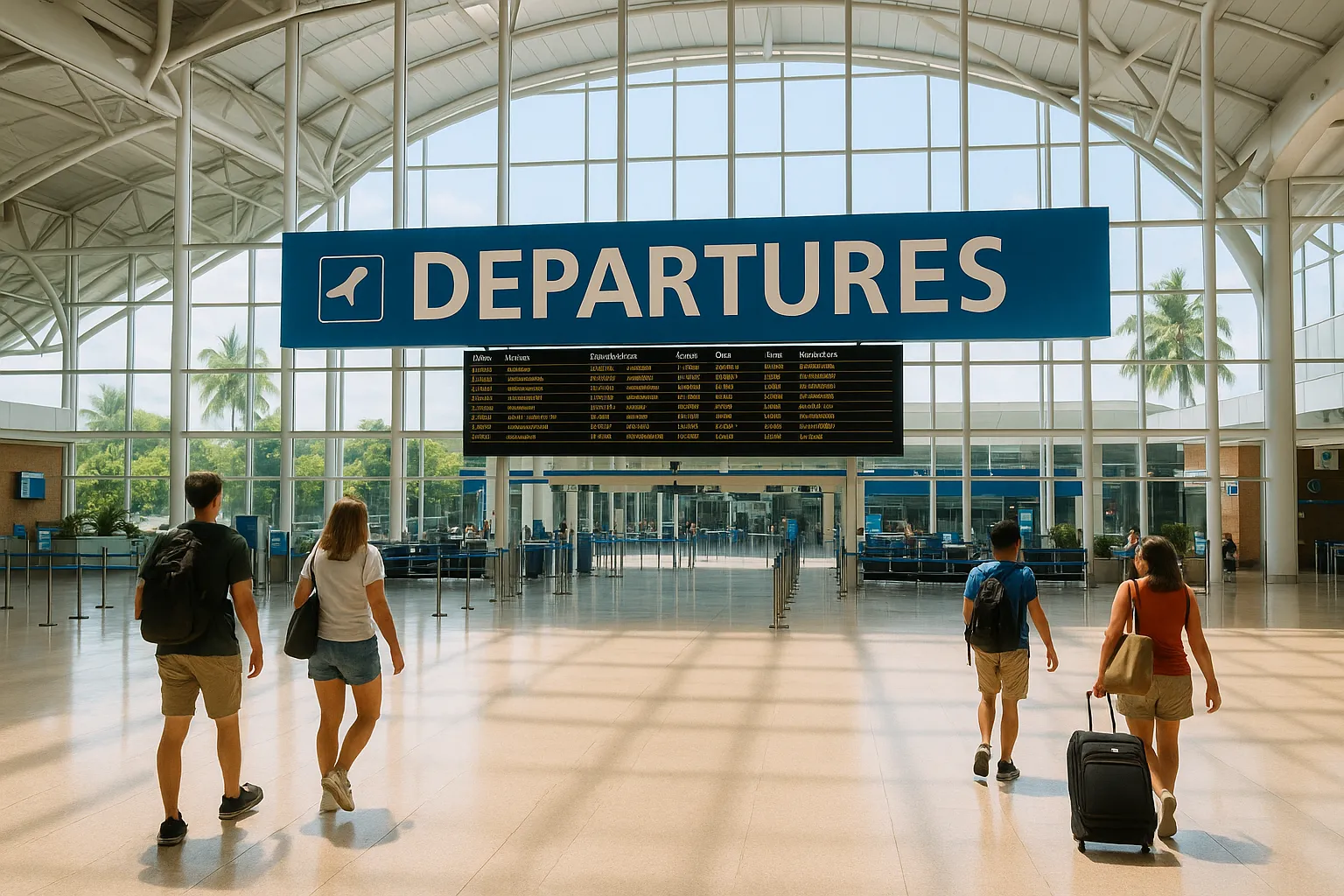
As Australians prepare for the Easter holidays, popular destinations such as Bali, Vietnam, and Thailand warrant attention concerning measles vaccinations. Health officials are urging families to verify their vaccination status as these regions are currently grappling with notable measles outbreaks.
Recent reports indicate that various Australian states have recorded an uptick in measles cases linked to overseas travel, with Southeast Asia identified as a significant risk area. With international travel surging during holiday seasons, the likelihood of measles entering Australia and potentially triggering local outbreaks becomes concerning. Alarmingly, some cases have emerged among Australians who have not travelled or had contact with known measles cases, hinting at a possible threat of local transmission. This situation is exacerbated by declining vaccination rates among young children, with fewer receiving the complete series of recommended measles vaccinations.
In Indonesia, which includes the widely frequented island of Bali, measles outbreaks remain periodic and significant. According to data from the U.S. Centres for Disease Control and Prevention, as of February 2026, Indonesia ranks as the third most affected country globally for measles outbreaks, following India and Angola. Meanwhile, Vietnam has reported a notable rise in measles activity in recent years, particularly impacting its younger population. Additionally, measles is endemic in Thailand, where data from the World Health Organization points to an increase in transmission rates since 2023. This pattern of measles activity is not isolated, as outbreaks are also being reported in other developed countries such as the United Kingdom and the United States.
Australia had achieved measles-free status in 2014, a significant public health milestone. However, with measles prevalence re-emerging in many global regions, the risk of re-introduction through international travel is a pressing concern. Data shows that in New South Wales, for instance, a significant proportion of recent measles cases—34 out of 60—were acquired through overseas travels, notably in Southeast Asia, which accounted for 32 of those cases. Furthermore, of the 26 locally acquired cases reported, 18 were connected to known imported infections, while eight had no identifiable links, indicating ongoing community transmission.
Concerns about measles extend beyond mere statistics; it is recognised as one of the most infectious diseases on record. The virus can be disseminated through tiny airborne particles, remaining suspended in indoor environments for up to two hours. This feature increases the risk, particularly in crowded venues such as airports, shopping centres, and healthcare facilities. An infected individual can be contagious even before exhibiting symptoms; the virus can be transmitted from four days prior to the onset of the characteristic rash until four days thereafter. Initial symptoms mimic those of influenza before the rash emerges, and complications can be severe, including pneumonia, ear infections, and encephalitis. In high-income countries, fatalities can occur in approximately one to three individuals per 1,000 infections.
Compounding the issue of measles outbreaks is the phenomenon of “herd immunity.” For effective prevention of community transmission, approximately 95% of the population must be immune. This herd immunity safeguards individuals who cannot receive vaccinations—such as young infants and those with compromised immune systems. National statistics indicate that in 2024, around 94.7% of Australian children received their first dose of the measles vaccine, but only about 89.5% received the second dose on schedule. This drop in vaccination coverage substantially contributes to the resurgence of measles within the country.
As Australians contemplate trips abroad, especially to regions with known measles activity, it is vital to verify vaccination status and arrange for catch-up vaccinations when necessary. Vaccination is a crucial step not only for personal protection but also to prevent the potential reintroduction of measles into the local population, which poses a heightened risk to vulnerable groups, including infants and pregnant women.
Vaccination against measles is provided at no cost under Australia’s National Immunisation Program, with doses scheduled at 12 and 18 months. Additionally, infants as young as six months can receive an extra dose if they are set to travel, as this early intervention is both safe and effective. Adults born on or after 1966 who have not received two documented doses are also encouraged to consider vaccination.
To ensure the development of immunity, it is advisable to receive the measles vaccine at least two weeks prior to travel. As international travel increases, remaining vigilant about vaccination status will aid in the control of measles, a crucial aspect of public health management in Australia and beyond.
As highlighted by Emma Birrell, an Immunisation Clinical Nurse Specialist at Sydney Children’s Hospitals Network, maintaining awareness and updating vaccinations is a shared responsibility that contributes to safeguarding community health. The call for vigilance is imperative as measles control remains a pressing global issue that necessitates proactive local engagement.
Our Thoughts
The article highlights significant public health risks linked to measles outbreaks associated with international travel, particularly to Southeast Asia. To prevent similar incidents, individuals should ensure vaccination compliance as per the UK Health and Safety (H&S) regulations, particularly the Health Protection (Control of Disease) Act 1984, which emphasizes the need for proper health protection measures.
Key lessons include the importance of maintaining high vaccination rates to uphold herd immunity to protect vulnerable populations. Enhancing public awareness campaigns regarding vaccination before international travel could further mitigate risks. Employers and travel providers could strengthen protocols to facilitate vaccine access and information, aligning with the Management of Health and Safety at Work Regulations 1999 that require risk assessment and management strategies for travel-related health risks.
Regulations breached in this context include potential failures in the Health and Safety at Work Act 1974 to adequately inform and protect workers and travelers from health risks due to insufficient vaccinations. Increased collaboration between health authorities, travel agencies, and employers can help establish proactive measures to prevent outbreaks and ensure health safety compliance for travelers.