















Story Highlight
– No further action against Kent’s mental health trust.
– Improvements followed critical CQC inspection findings.
– Trust previously had long patient wait times for help.
– Safety notice lifted after necessary progress demonstrated.
– Trust plans ongoing improvements in patient care quality.
Full Story
No further actions will be pursued against the community services of Kent and Medway Mental Health NHS Trust (KMMH) following significant improvements made after a critical inspection last year. The trust had previously come under fire from the Care Quality Commission (CQC) in October for its handling of patient care, which had left many individuals in distress, waiting for treatment over extended periods.
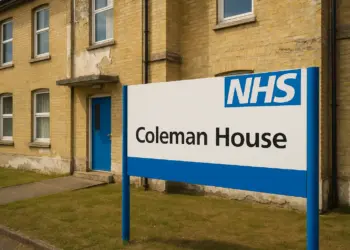
The CQC’s report highlighted serious concerns regarding the infrastructure from which KMMH operates, particularly citing Coleman House in Dover, where safety issues were alarming. Previously known as the Kent and Medway NHS and Social Care Partnership Trust (KMPT), the trust faced the “requires improvement” rating for virtually all its community and crisis services. The CQC had demanded urgent action to rectify these deficiencies, prompting a substantial evaluation of the trust’s operational protocols.
Recently, however, the CQC has declared that the safety notice previously issued against KMMH’s community services is now rescinded, reflecting the progress that has been made since the critical assessment. This development follows months of dedicated efforts by staff, with the trust’s chief executive, Sheila Stenson, expressing her gratitude toward those who have contributed to these improvements.
Sheila Stenson remarked, “This is fantastic news for our patients and communities, and a real milestone in our journey of improvement. Since I joined the trust as chief executive, we have been working hard to strengthen the safety, consistency and quality of our care, and it is encouraging to see the changes we’ve put in place starting to make a real difference for the people who rely on us.”
Stenson acknowledged the commitment of the staff, stating, “I want to thank our staff for responding so quickly and so thoughtfully to the concerns raised last year. Their willingness to learn, lead and act – always with patients front and centre – has been critical in getting us to this point.”
Despite the positive changes, the previous inspection outlined serious issues necessitating reform. It was reported that certain patients were being unlawfully detained in secure units beyond the 24-hour legal limit, frequently lacking clear legal justification for such actions. In certain instances, patients experienced physical restraint or were administered medication even after their detention period had lapsed, raising significant ethical and procedural concerns.
Moreover, two out of three health-based safe spaces operated by the trust—in Canterbury and Dartford—failed to provide essential access to outdoor areas or fresh air. These shortcomings were deemed a violation of the Mental Health Act code of practice. The prolonged waiting periods for treatment were also highlighted, with some patients reportedly waiting as long as a year without receiving necessary care.
Inspectors noted that there was “limited assurance about safety,” as the trust seemed ineffective in monitoring those still in need of assistance. A key factor contributing to this challenging environment was the physical state of the facilities. The transformation from KMPT to KMMH came alongside a significant financial investment, which included a rebranding effort costing £250,000.
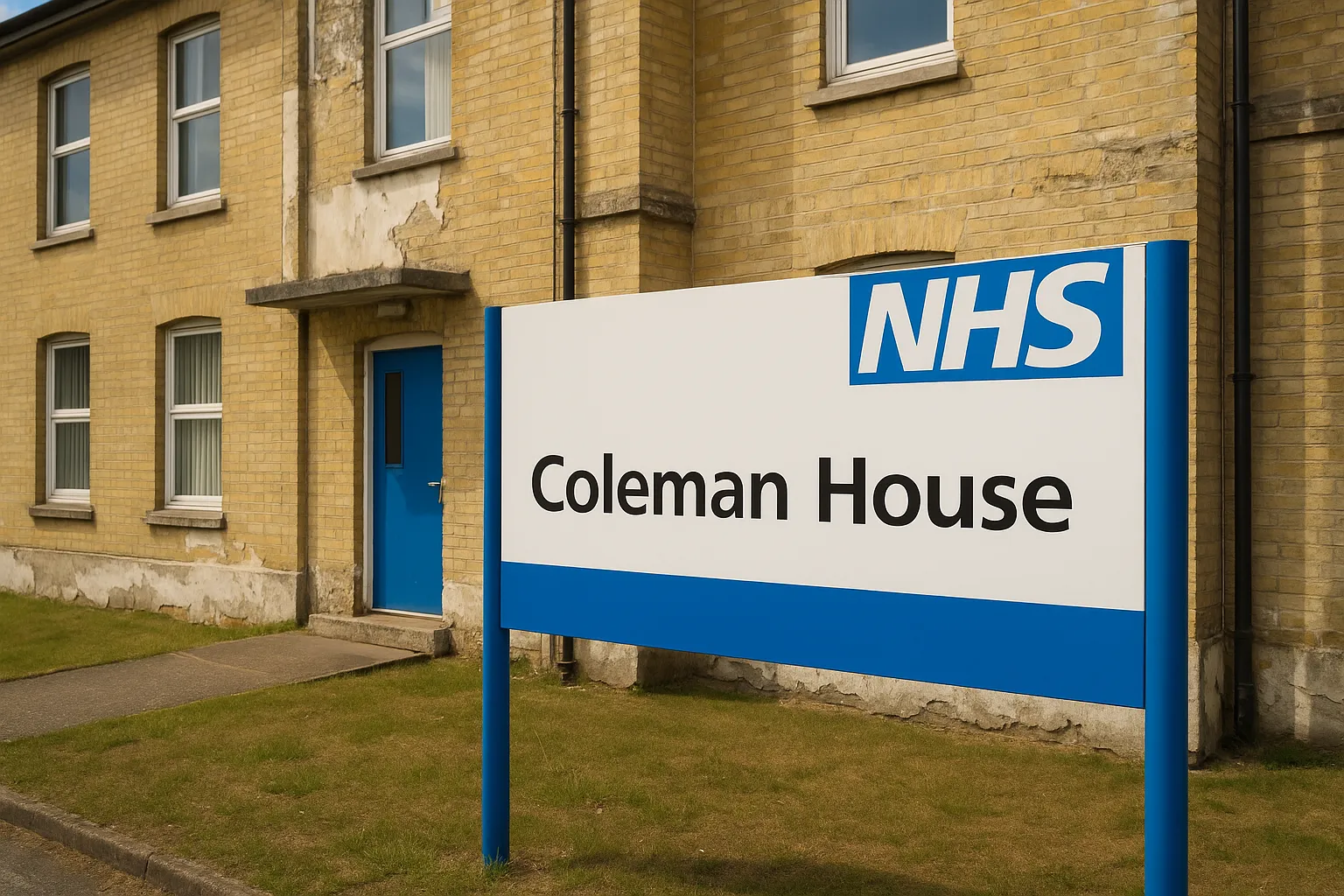
The state of the buildings was a crucial focus; at Coleman House in Dover, a serious incident occurred when part of the roof collapsed earlier in 2024, exposing asbestos and forcing the closure of several rooms. Additional inspections unveiled other sites in disrepair, characterized by peeling walls, substandard ventilation, and unreliable internet access.
In contrast, recent inspections have seen the CQC acknowledge notable improvements within KMMH. Enhanced handover procedures, clearer documentation, and improved care planning were recognised as part of the trust’s renewed efforts. There has been a marked increase in the consistency of oversight across community services, contributing to a more reliable framework for patient care.
Stenson commented on the removal of the safety notice, stating, “The removal of the safety notice shows just how far we have come as a trust, but it is not the end of the journey. Our patients deserve the very best, and we will continue building on this progress through our improvement and quality plans.”
The ongoing commitment to patient welfare remains a priority for the leadership of KMMH. Stenson emphasised, “My focus, and the focus of every leader across the trust, remains on delivering safe, compassionate and reliable care for every person who needs our support.”
As the trust continues on its path of improvement, there is cautious optimism regarding the future of mental health services in Kent and Medway. The hope is that ongoing initiatives will further enhance safety, quality, and access to mental health support, thereby restoring trust and confidence among patients and the wider community.
Our Thoughts
The Kent and Medway Mental Health NHS Trust (KMMH) incident highlights several key safety lessons and regulatory breaches under UK health and safety legislation, particularly regarding patient care standards and the Mental Health Act. To prevent similar incidents, the following actions could have been taken:
1. **Proper Patient Monitoring**: KMMH failed to monitor patients waiting for treatment, which is a breach of the Health and Social Care Act 2008 (Regulated Activities) Regulations 2014, particularly the regulation on safe care and treatment. Implementing robust tracking systems could have prevented patients from waiting excessively.
2. **Compliance with the Mental Health Act**: The unlawful detention of patients beyond the 24-hour limit indicates a violation of the Mental Health Act 1983 and its code of practice. Regular training and strict adherence to legal guidelines regarding patient rights need to be prioritized to ensure compliance.
3. **Facility Maintenance**: The deteriorating condition of buildings compromised patient safety and comfort, violating the Health and Safety at Work Act 1974. Immediate actions to rectify hazardous conditions, such as the collapsed roof exposing asbestos, should have been prioritized to protect both patients and staff.
4. **Safety Culture**: A shift towards a safety-first culture that prioritizes continuous training and reporting could have fostered an environment where staff feel empowered to address concerns proactively.
Implementing these measures could significantly enhance patient care and safety in mental health services.