

















Story Highlight
– Met Office issues snow and ice warnings across UK.
– Amber snow warning affects large portions of the country.
– Arctic air causes significant temperature drops nationwide.
– Travel disruptions expected for road, rail, and air.
– Health alerts issued for regions due to freezing conditions.
Full Story
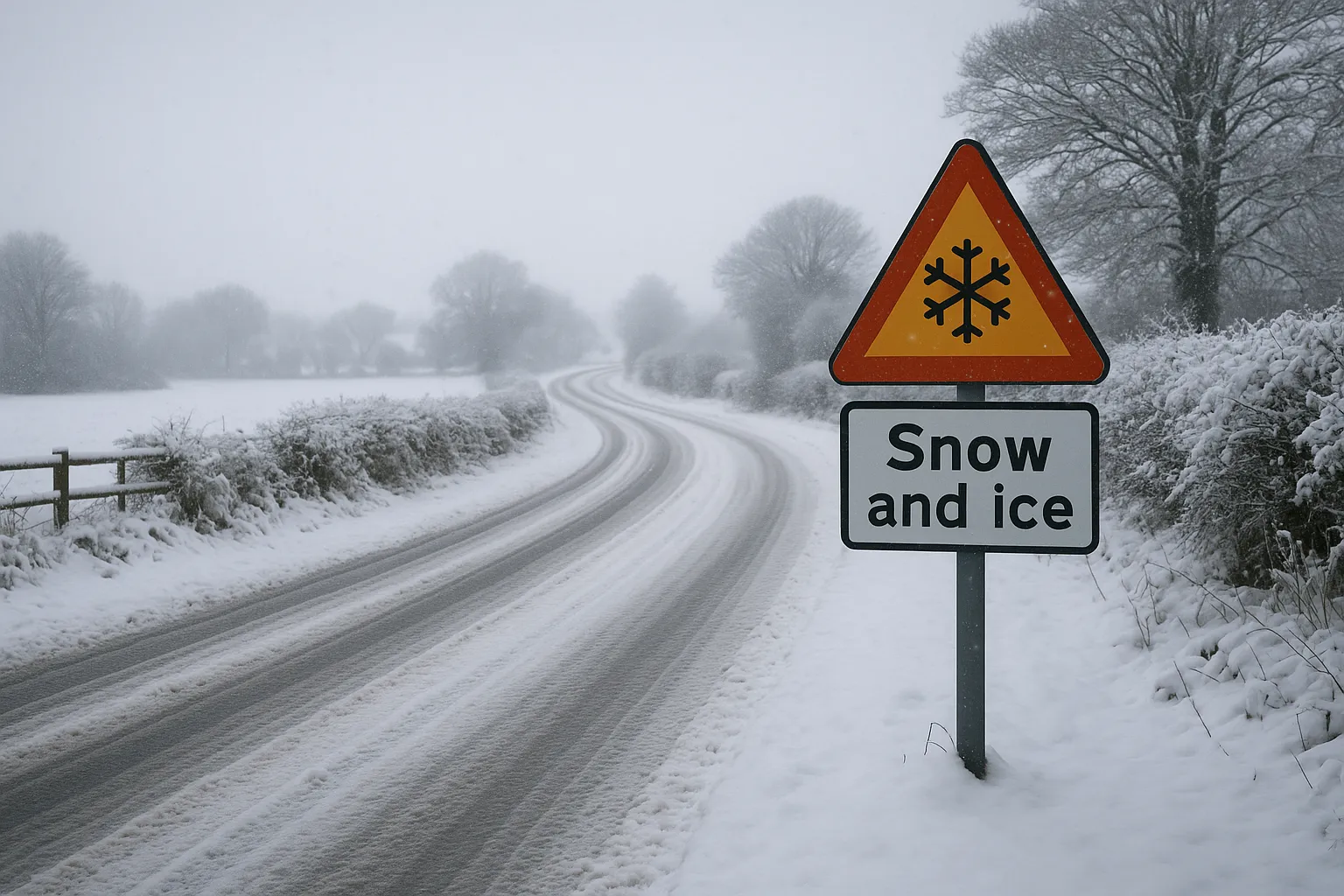
The UK is preparing for a wave of severe winter weather as the Met Office has issued a series of weather warnings across numerous regions. These alerts highlight the risk posed by snow and icy conditions, which are expected to develop as the country experiences a significant drop in temperatures.
Across large areas of the UK, both yellow and amber warnings for snow and ice have been activated, signalling that serious weather conditions will likely affect many during the early days of the new year. The impending weather is primarily attributed to an influx of frigid Arctic air moving down from the north, driving temperatures lower and creating conditions more typical of winter.
As forecasters predict hazardous weather, the impact on travel is expected to be substantial. Individuals planning to travel by road, rail, or air are strongly encouraged to verify the status of their journeys ahead of time, as disturbances and delays are anticipated. The combination of snow and ice could lead to treacherous conditions on the roads, making safety a priority for those commuting or making essential trips.
In recognition of the potential health risks associated with the extreme cold, the UK Health Security Agency has issued amber cold-health alerts in several areas, including the North West and North East. These warnings serve as a precaution to inform the public and health services about the potential dangers posed by freezing temperatures, particularly for vulnerable groups who may be at greater risk.
While specific regions will experience varying degrees of severity regarding the weather, areas such as Yorkshire and the North East are expected to be particularly hard-hit. In these locations, residents face the possibility of significant snowfall, with forecasts indicating that blizzard-like conditions could develop on higher ground. Meanwhile, urban areas like Merseyside appear to be on the fringes of the harshest conditions initially, although they should remain vigilant.
The transition to icy conditions poses risks beyond just travel. Untreated roads and walkways are particularly susceptible to becoming slick, leading to potential accidents and injuries. It is advisable for pedestrians and drivers alike to remain cautious in these circumstances, as falls and collisions may occur more frequently as temperatures drop overnight.
The Met Office has also indicated that there may be broader implications for utilities and services in areas most affected by the weather. There exists a slight risk of power interruptions and disruptions to mobile phone coverage as snow accumulates in certain regions. Remote communities, in particular, might find themselves temporarily isolated should snowfall become excessive, highlighting the need for preparedness among residents living in vulnerable locations.
While the immediate focus is on the ongoing wintry hazards, there remains uncertainty surrounding both the duration and the spread of these conditions. Weather forecasts can quickly change, and as such, residents are encouraged to keep informed via local updates. Staying alert to alterations in the weather will be crucial for planning and ensuring personal safety during this period.
With freezing temperatures expected to persist, communities across the country will need to navigate the challenges presented by severe winter weather. As always, cooperation and preparedness will be critical in mitigating risks and ensuring that the potential impact of the snow and ice is managed effectively.
Looking ahead, it is clear that the onset of wintry weather often brings a mix of disruption and inconvenience for many. Whether managing travel plans or navigating daily routines, individuals must take the necessary precautions to remain safe during these challenging conditions. As the nation adapts to these changes, being proactive and informed will help provide a level of assurance that can ease the burden associated with winter’s return.
Our Thoughts
The warnings issued by the Met Office highlight the importance of preparedness for severe weather conditions, particularly in relation to the Health and Safety at Work Act 1974, which requires employers to ensure the safety of their employees. To avoid potential hazards associated with snow and ice, organisations should have implemented proactive measures, such as conducting risk assessments to identify vulnerable areas and ensuring that appropriate resources for treating icy surfaces are readily available.
Key safety lessons include the necessity for effective communication of weather warnings and risks, alongside ensuring employees have access to information regarding safe travel and working conditions during inclement weather. Employers could also provide flexible working options, allowing staff to work from home or adjust schedules to avoid travel during adverse conditions.
Relevant regulations possibly breached could involve failure to ensure a safe working environment, as per the Management of Health and Safety at Work Regulations 1999, which mandates employers to assess and manage risks to health and safety. Overall, fostering a culture of safety awareness and preparedness can significantly mitigate the risks of weather-related incidents in the future.