














Story Highlight
– Met Office issues amber and yellow snow warnings nationwide.
– Arctic air causes significant temperature drops across the UK.
– Travel disruptions expected due to snow and ice hazards.
– Health alerts implemented for cold weather risks to communities.
– Uncertain forecast duration; updates on conditions advised.
Full Story
The Met Office has issued a series of weather warnings for snow and ice as a significant cold snap takes hold across the United Kingdom. With temperatures expected to plummet in the coming days, these warnings highlight the potential for hazardous conditions impacting various regions as the new year approaches.
An amber snow warning has been placed across certain parts of the country, reflecting the possibility of heavy snowfall and severe winter weather. This advisory, which indicates a higher likelihood of significant disruptive conditions, serves as a precaution for residents and commuters alike.
The drop in temperatures can be attributed to a mass of Arctic air sweeping southwards, leading to a marked change in weather from milder periods experienced previously. This influx of colder air has meant many areas will feel the full impact of winter, with forecasts predicting a variety of wintry weather conditions over the coming days.
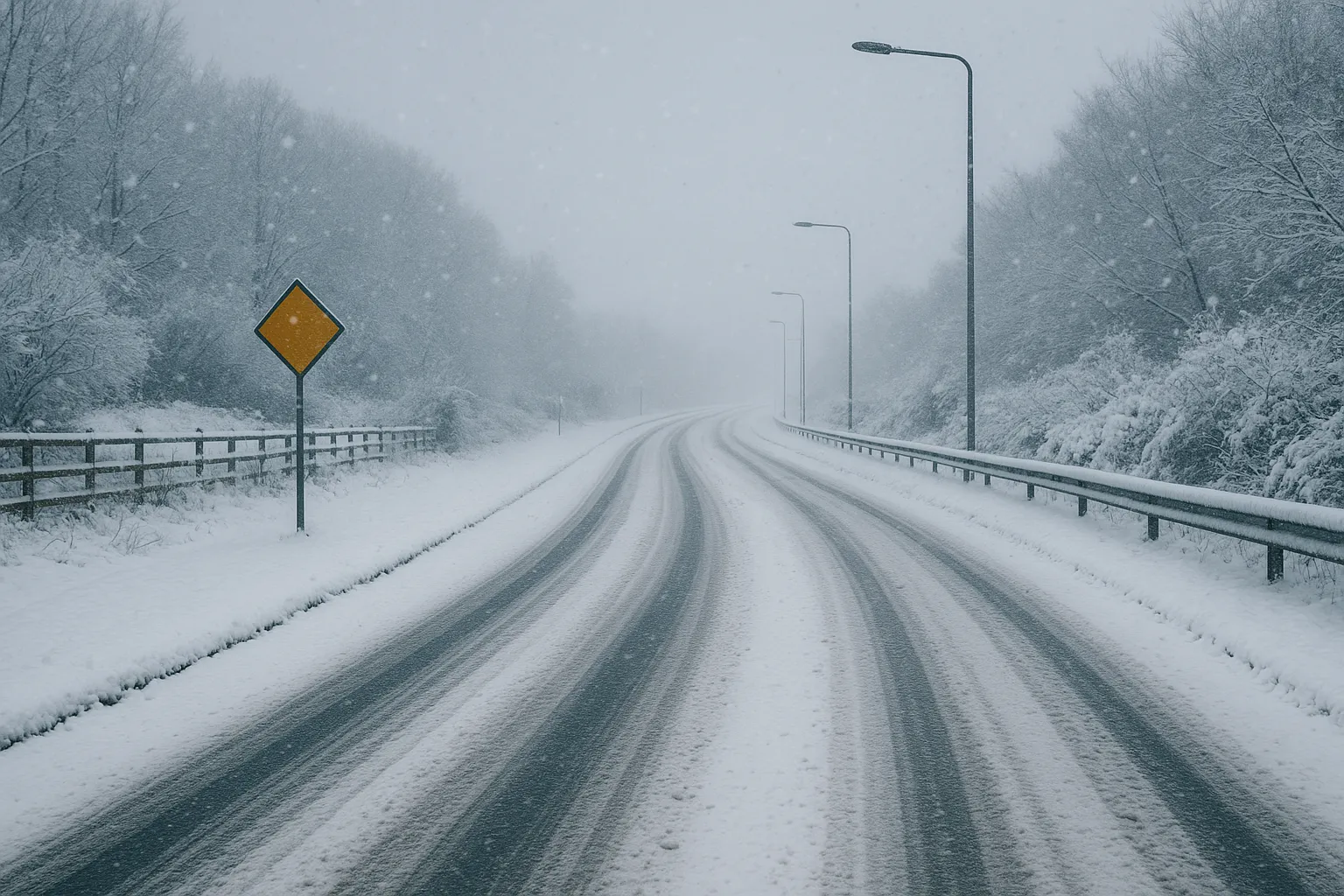
Travel disruptions are expected as travel forecasters caution that both road and rail networks, as well as air travel, may experience notable interruptions due to the icy conditions. Commuters should prepare for possible delays or cancellations and consider leaving more time for their journeys to ensure safety during hazardous conditions.
In addition to travel concerns, the UK Health Security Agency has issued amber cold alerts for several areas, including the North West and North East of England. These warnings are aimed at raising awareness of the potential health risks posed by the severe cold, particularly for vulnerable groups within the health and social care sectors. Such alerts are important as they inform communities about the necessary precautions that should be undertaken during extreme cold spells.
While certain regions, such as Merseyside, may initially avoid the heaviest snowfall, others, particularly in the North East and Yorkshire, face more immediate threats from significant snow. Meteorologists warn that these areas could see substantial snow accumulation, leading to “blizzard conditions” in elevated areas, which will exacerbate the winter hazards.
The cold snap is also expected to create treacherous conditions on the roads. Forecasters advise that untreated roads, pavements, and cycle paths are likely to be coated in ice, increasing the risk of accidents for drivers and slips for pedestrians. This provides a stark reminder for everyone to exercise caution when travelling during this period, highlighting the essential need for appropriate footwear and driving awareness.
Power outages and disruptions to mobile phone services have also been flagged in the forecasters’ reports, particularly in areas expected to bear the brunt of the wintry conditions. Rural communities, which are often more susceptible to extreme weather, may find themselves temporarily isolated if snow accumulations reach significant levels.
While the current forecasts suggest a period of heavy snow and winter weather, there remains some uncertainty regarding the duration of these conditions. It is unclear how long the snow will persist or how far the adverse effects will spread across the UK. Residents are strongly encouraged to remain informed through local weather updates, as the situation can change rapidly and additional warnings may be issued.
As the cold front begins to exert its influence, communities across the country face the challenge of adapting to these winter conditions. It is crucial for individuals and families to take the necessary steps to ensure their safety, whether through preparing their homes for cold weather or adjusting their travel plans as needed.
In light of this anticipated winter weather, local councils and services remain on alert, ready to respond to potential emergencies arising from severe conditions. Local authorities are coordinating with emergency services to ensure a swift response to any incidents, particularly in the most affected regions, where the risk of accidents or emergencies may be heightened.
As the UK braces for this winter weather, it serves as a timely reminder of the unpredictable nature of the British climate. While many may relish the chance for a wintry landscape, it is essential to respect the inherent dangers that snow and ice can bring. Proper preparation and awareness will be integral in navigating these conditions, ensuring that communities are able to cope with the challenges presented by the arctic weather.
With the new year fast approaching, residents are advised to stay proactive in monitoring local forecasts and to take heed of guidance issued by local authorities and health agencies. In staying informed and prepared, individuals can help to mitigate the impacts of what promises to be a significant cold spell affecting many parts of the UK in the coming days.
Our Thoughts
To mitigate the risks associated with severe winter weather, several proactive measures could have been implemented. Firstly, organizations should conduct thorough risk assessments as required by the Management of Health and Safety at Work Regulations 1999, focusing on travel and workplace safety during adverse weather conditions. Effective communication of weather warnings and safety messages through channels like employer alerts and regional advisories could enhance public awareness of potential hazards.
Employers should have established contingency plans for severe weather to ensure employee safety, allowing for flexible work arrangements, such as remote work where feasible. Additionally, implementation of thorough winter maintenance protocols in public areas, including timely grit and snow clearance on roads and pavements, could significantly reduce the risk of slips and falls as mandated under the Health and Safety at Work Act 1974.
The emergency services and local authorities must also consider enhancing their readiness to respond to weather-related incidents and ensuring that vulnerable populations are supported during extreme weather events. These steps comply with the relevant regulations and can help prevent injuries and service disruptions associated with severe winter weather.