












Story Highlight
– MHRA provides advice for safe winter health practices.
– Avoid doubling up on medications to prevent risks.
– Do not exceed recommended doses of vitamin D.
– Report any side effects using the MHRA Yellow Card.
– Combine self-care with safe medicine use for better health.
Full Story
In light of the current flu season, the Medicines and Healthcare products Regulatory Agency (MHRA) has issued vital guidance to aid the public in making informed choices regarding health supplements and medications. As winter progresses, the demand for cold and cough remedies increases, prompting the agency to remind individuals of the importance of careful product selection to mitigate health risks while navigating seasonal illnesses.
Dr Chris Cooper, who is part of the MHRA’s Safety and Surveillance team, emphasised the need for prudence when opting for familiar treatments during this time of year. He remarked, “This time of year, we often reach for familiar products to feel better fast. Staying safe means making smart choices. These simple tips can make the difference between feeling better and feeling worse.”
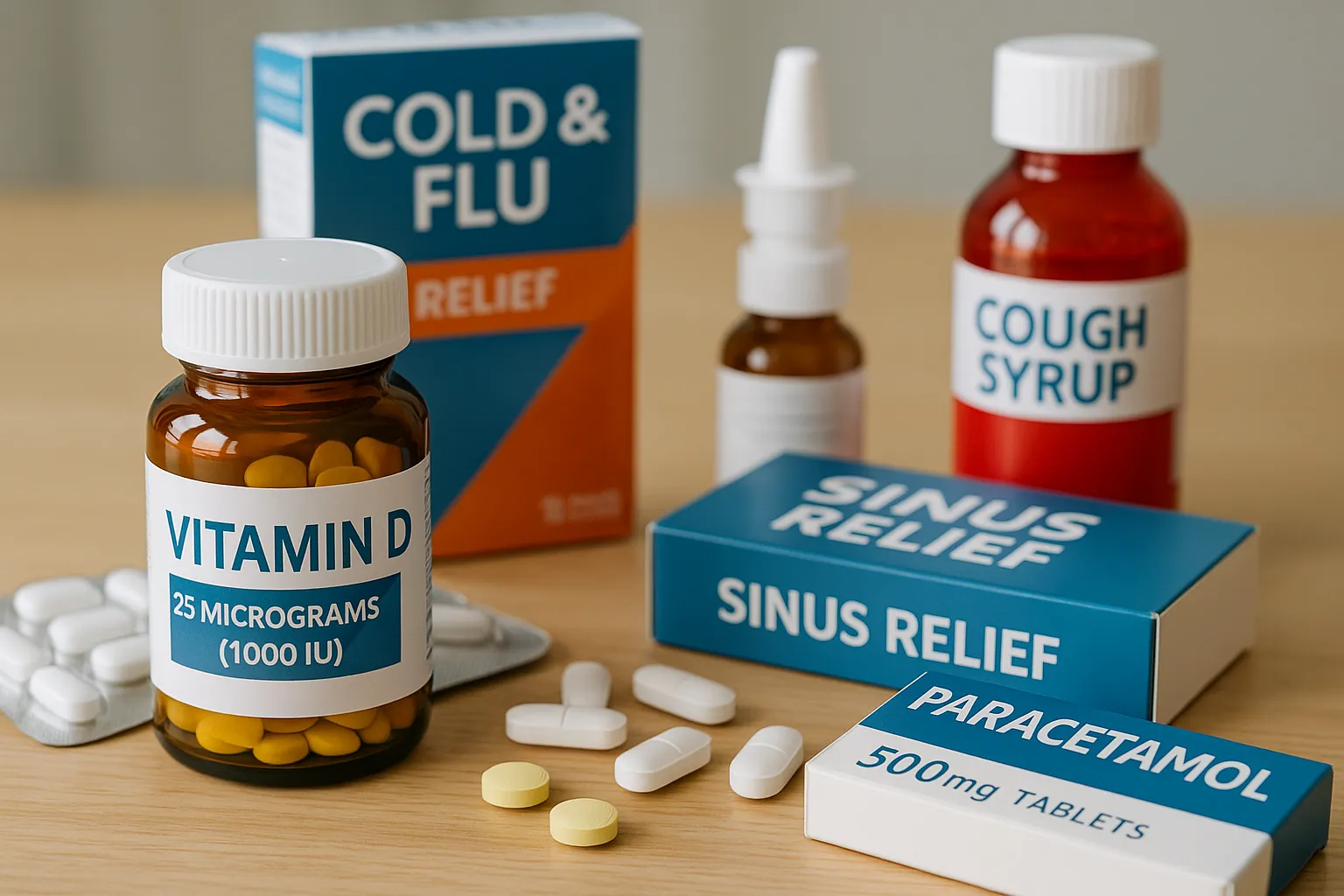
One key piece of advice from the MHRA is to avoid the excessive use of multiple medications. During peak cold and flu months, consumers frequently find themselves relying on various products to alleviate symptoms. However, the concurrent use of different medicines containing identical active ingredients can pose serious health risks. An example provided illustrates that an individual consuming two cold and flu tablets and, subsequently, two paracetamol may unknowingly exceed safe dosage limits since many cold and flu medications already incorporate paracetamol.
To ensure safety, the MHRA recommends that users read product labels and the accompanying Patient Information Leaflet diligently, adhering strictly to dosage guidelines. In cases where symptoms persist, individuals are advised against prolonging the use of the same treatment or increasing dosages. Instead, consultation with a pharmacist or general practitioner is urged for tailored recommendations to effectively and safely address the illness.
There is also a rising concern regarding the overuse of vitamin supplements, particularly vitamin D, during the darker winter months when sunlight exposure is reduced. Many people opt for vitamin D to help maintain strong bones and muscles. Nevertheless, the MHRA warns against excessive intake, advising that adults should limit themselves to no more than 100 micrograms (equivalent to 4,000 IU) per day unless specifically directed otherwise by a healthcare professional.
Label awareness is crucial; individuals must verify the strength of their supplements and seek guidance from pharmacists if uncertain about appropriate dosages. Additionally, the agency highlights the importance of not dismissing any adverse effects experienced from medications or supplements. Individuals are encouraged to report any issues through the MHRA Yellow Card scheme, which assists in enhancing medication safety for all users.
In conjunction with the recommended safe practices regarding medications and supplements, individuals are also encouraged to adopt straightforward self-care strategies to alleviate symptoms associated with winter illnesses. This amalgamation of responsible medication use and practical care can contribute significantly to a healthier winter experience, reducing potential health hazards.
As the flu season continues, staying informed becomes paramount. The MHRA’s guidelines serve as a crucial resource aimed at equipping the public with the knowledge necessary to navigate health challenges effectively. Their proactive approach underscores the importance of safety during a time when colds and influenza are prevalent.
By remaining vigilant and making educated choices, individuals can mitigate health risks and support not only their well-being but also that of vulnerable family members and friends. The MHRA’s guidance is part of an ongoing effort to promote health literacy within the community, especially in times of heightened illness risk.
To further encourage public engagement, free resources such as the ChronicleLive Daily newsletter provide updates on breaking news and insightful stories, helping individuals stay informed about health matters and more within their region. The addition of dedicated WhatsApp communities for news updates ensures that essential information can be accessed swiftly and directly, keeping the public at the forefront of health awareness during the winter season.
Overall, the MHRA’s call for careful consideration in the selection and use of cough and cold remedies, along with vitamin supplements, empowers individuals to take control of their health. With winter illnesses on the rise, the agency remains a key player in safeguarding public health through education and vigilance, fostering a culture of safety and awareness that can lead to improved health outcomes across the nation.
Our Thoughts
The article emphasizes the importance of safe medication practices during the flu season. Key health and safety lessons include the need for better public awareness about the risks of overusing medications, particularly those containing overlapping active ingredients such as paracetamol. To avoid potential health hazards, individuals should be encouraged to read product labels carefully and adhere to dosage guidelines, in line with the Health and Safety at Work Act 1974, which mandates the provision of safety information.
The Medicines and Healthcare products Regulatory Agency (MHRA) should enhance educational outreach to ensure users are aware of the dangers of combining multiple medications and exceeding recommended dosages, thereby promoting safer healthcare choices. Regulations regarding the labeling of medications address these issues, and any failure to comply with these should prompt review and enforcement.
To prevent similar incidents, healthcare providers and pharmacists should be proactive in advising patients on safe medication use, utilizing the MHRA Yellow Card scheme to report adverse effects. Increasing public access to accurate information could mitigate risks associated with self-medication and contribute to overall public health safety.