







Story Highlight
– South Lakes Islamic Centre (SLIC) nearly ready for Ramadan prayers.
– Local Muslim community lacks nearby mosques, relying on rentals.
– Construction faced protests from far-right groups targeting the site.
– Community support includes interfaith events and counterprotests.
– Opening SLIC signifies achievement for Barrow’s Muslim residents.
Full Story
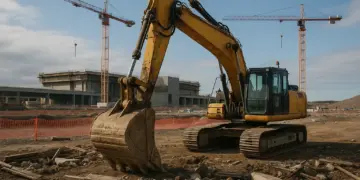
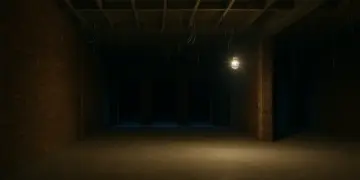
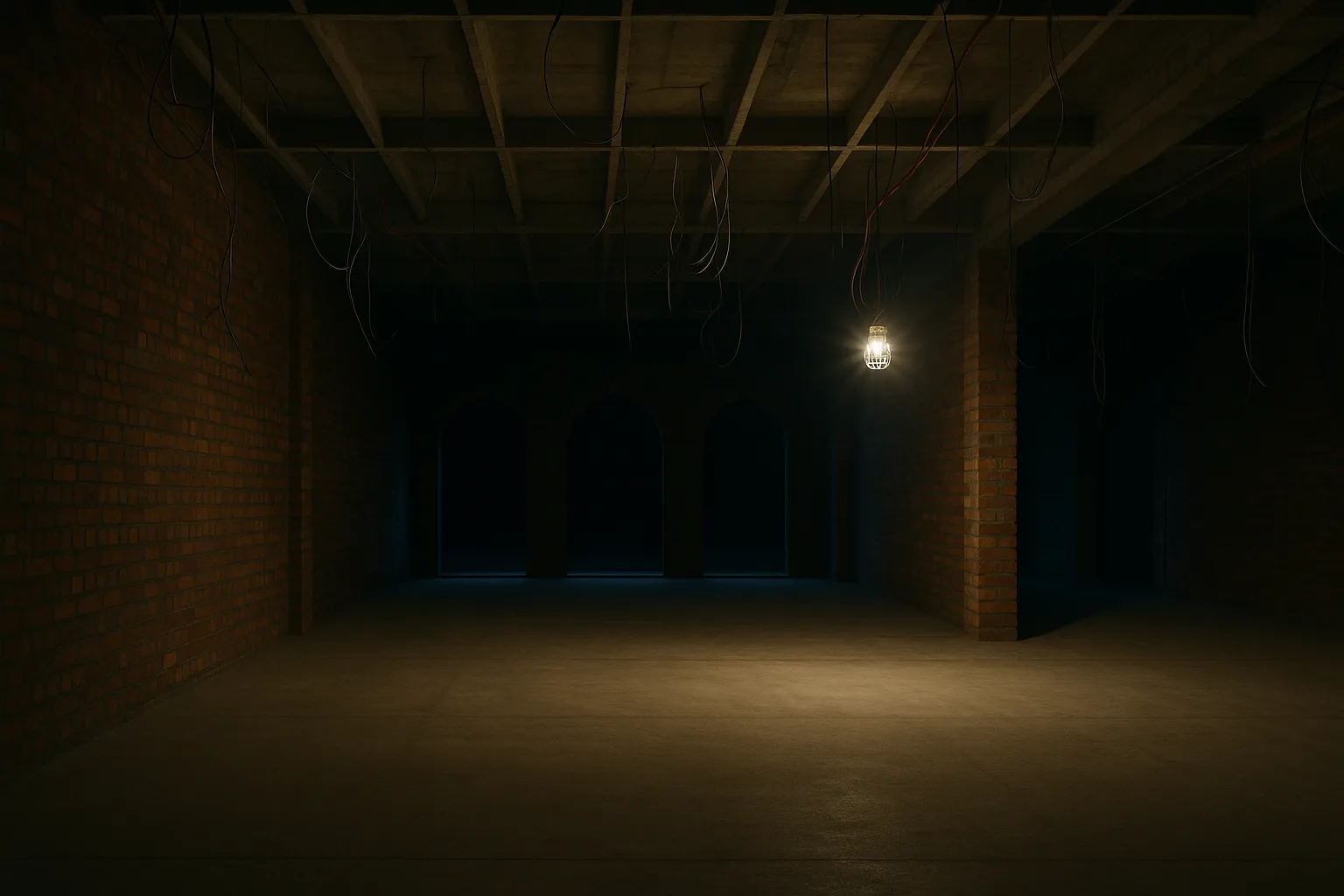
On a chilly evening preceding the holy month of Ramadan, members of Cumbria’s budding Muslim community are conducting health and safety evaluations at the South Lakes Islamic Centre (SLIC), which remains largely unfinished. The structure, characterized by its bare walls, visible wiring, and lack of lighting or heating, has had a portion cleared to facilitate nightly prayers despite ongoing construction. The anticipation surrounding the centre’s opening is palpable, although excitement is tempered by concerns about potential far-right backlash.
Aban Hussain, the chair of the mosque, conveys the urgency of the situation: “In Ramadan, we don’t have any other place to go. Hence, we have to open it in a manner where it’s not 100% ready, but it’s still something we can use. Ramadan only comes once a year, so this is the time, even if it’s a bit uncomfortable for us, to go for it.” For Hussain, who has resided in Barrow-in-Furness for nearly two decades and works as a senior engineer in the oil and gas sector, the absence of a local mosque has been a source of disappointment while raising his three sons amidst the area’s natural beauty.
The nearest mosque is located over 50 miles away in Lancaster, and with only three mosques serving the entire region, local Muslims are compelled to rent various halls for Friday prayers, a task made increasingly difficult by overlapping bookings. This monthly expenditure of around £600 has been a strain for the community comprised mainly of healthcare professionals serving Barrow.
Dr. Ghulam Jeelani, 76, a retired GP who has lived in Barrow for 40 years, notes the impact of these limitations on the community’s cohesion. “A lot of doctors only stayed a year and a half, and then left because there were no facilities for Islamic education, prayer or community here,” he recalls. This lack of facilities spurred the community leaders to seek land for a new mosque, a quest that culminated in 2022 with the Barrow council’s approval of their planning application to construct a three-storey mosque and community centre in Dalton-in-Furness.
Efforts to gain local support were instrumental in overcoming opposition rooted in the area’s low Muslim demographics—approximately 0.4%. Fundraising for the £2.5 million project has been ongoing as the community works diligently to realize their vision.
However, the undertaking has not been without its challenges. After coverage on GB News labelled the SLIC a “mega mosque,” it inadvertently drew the ire of far-right activists, who have since launched regular protests against the construction. Local groups such as Ukip and Britain First have taken to the streets, demonstrating their opposition with flags and vocal disapproval.
Hussain describes the intensity of the backlash they faced: “All of a sudden, this wave of protests started happening, and everything was in our face, all the hatred, all the harassment.” The unwanted attention extended beyond the mosque’s immediate community, with protesters targeting local businesses and construction workers associated with the project, labeling them traitors. Hussain recalls incidents involving local politicians, including Nick Tenconi, who appeared on-site during these demonstrations.
Surprisingly, many protesters have originated from outside the Barrow area, a revelation that has disheartened Hussain and Jeelani. “I can’t believe the local people are like that,” Hussain reflects, noting the stark contrast to the community’s supportive residents.
Despite the hostility from some factions, a significant portion of the local community has rallied around the SLIC. Plans for interfaith initiatives and school visits are already underway for the centre’s official opening in July. Paul Jenkins, 58, a local activist and supporter of the United Against Fascism and Stand Up to Racism campaigns, expresses optimism regarding the centre’s impact: “What has been really encouraging has been the response of local people who continue to oppose the racists. The far right wanted to claim that they speak for all local people. Our solidarity events have completely shattered that idea.”
Jeelani echoes this sentiment, highlighting the hope that the new mosque brings to the community in the face of potential protests. “This is a great achievement,” he asserts with enthusiasm. “This year, we won’t [have to] hire the community centre. We will start prayers in our new mosque.”
The SLIC represents not only a physical space for worship but also a beacon of resilience and hopes for Muslims in Cumbria. As the community prepares for Ramadan, the centre’s impending opening signifies a long-awaited milestone, underscoring the communal effort to foster inclusivity and understanding amidst adversity. The path ahead may still be fraught with challenges, yet the determination of Barrow’s Muslim constituents reflects a broader commitment to building a cohesive and supportive environment for generations to come.
Our Thoughts
The article highlights several safety concerns related to the incomplete South Lakes Islamic Centre (SLIC) being used for congregational prayers. To avoid potential hazards, it would have been prudent to adhere strictly to the Health and Safety at Work Act 1974, ensuring that the site remained secure during construction and that any use of the building was fully compliant with safety regulations. Key safety lessons include the importance of site assessments and clear communication about safety risks associated with using unfinished buildings.
A breach of the Construction (Design and Management) Regulations 2015 appears evident, as these regulations emphasize the need for adequate planning, design, and management to ensure safety on construction sites. Additionally, risk assessments should have been conducted to identify hazards posed by exposed materials and lack of essential services like lighting and heating.
To prevent similar incidents in the future, organizations must prioritize health and safety compliance, ensuring that sites are not used until fully operational, avoiding the risk of injury or legal repercussions. Regular training and awareness of health and safety regulations continue to be essential within community organizations engaged in such projects.