












Story Highlight
– John Henry Oates fatally electrocuted by low-hanging power cable.
– Incident occurred on a public footpath in Cumbria.
– Family blames Electricity North West for negligence.
– Cable had been down for two days, still live.
– ENWL finds widespread issues with aging insulators nationwide.
Full Story
A tragic incident that unfolded in October 2023 has raised serious concerns regarding public safety and the maintenance of electrical infrastructure. An inquest into the death of 29-year-old John Henry Oates, affectionately known as Harry, revealed harrowing details about the moments leading up to his fatal accident involving a low-hanging power cable.
Harry Oates had returned to his family home in Cumbria for a weekend break, intending to indulge in a mix of cycling, golf, and running, while also celebrating recent milestones, including his first flat purchase. His mother, Ros Oates, recounted the last conversation she had with him before he left for a run. As she watched him depart, she offered the simple yet poignant farewell: “Take care.” Harry’s casual reassurance—“Don’t worry, mum”—illustrates a carefree spirit before tragedy struck.
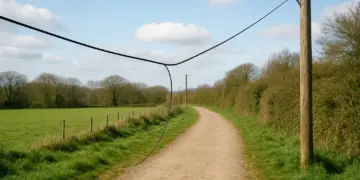
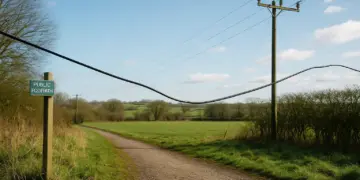
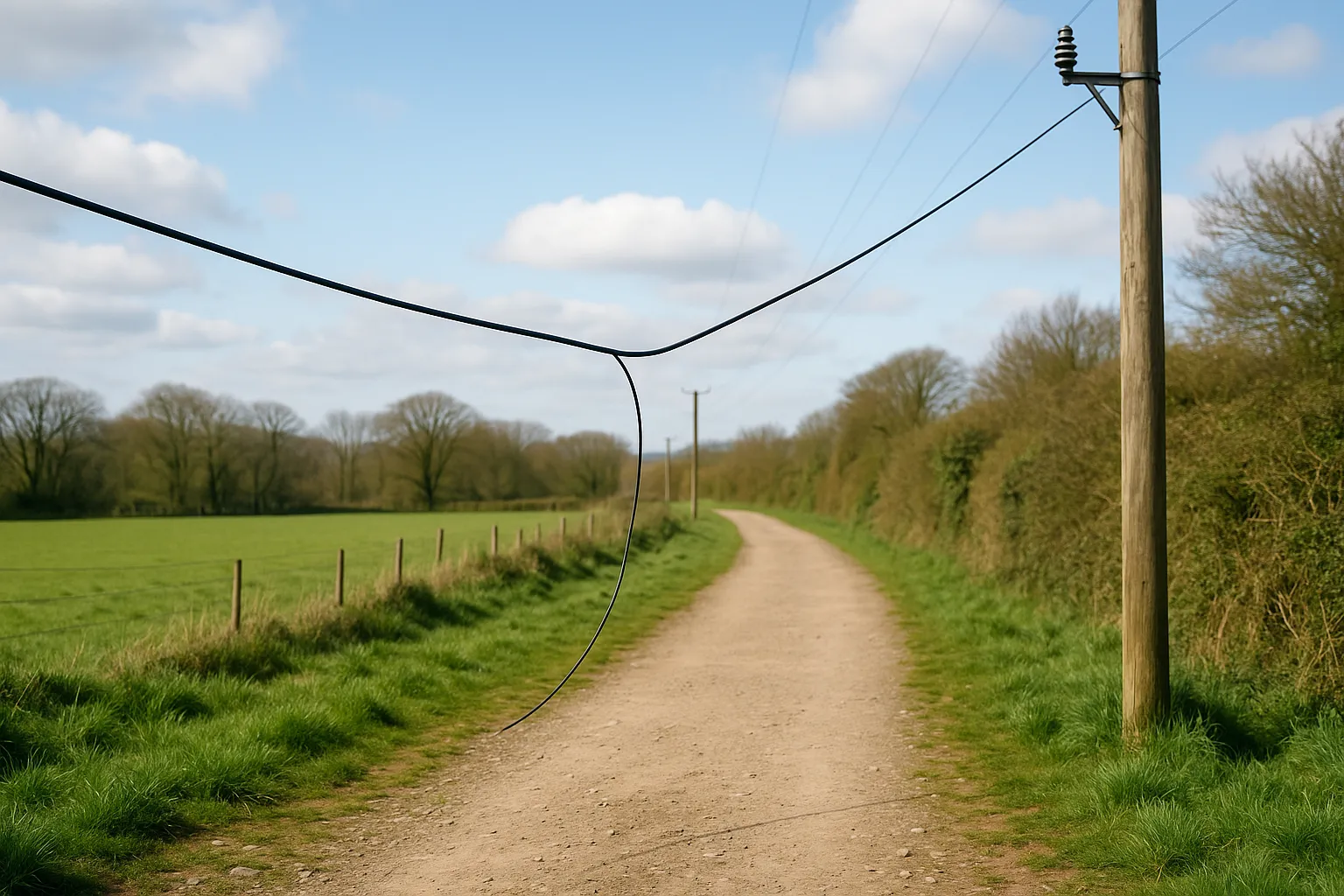
However, the leisure run took a fatal turn when Harry came into contact with a live power cable that had sagged dangerously low across a public footpath. His father, Malcom Oates, discovered his lifeless body approximately five minutes from their home later that day. The inquest revealed that Harry died instantly upon striking the cable, which had been hanging for at least two days without any warning signs.
Describing the grim moment he found his son, Malcom stated he initially mistook the sight for farm debris until he drew closer and recognised Harry was lying still, with the cable tragically embedded in his neck. “I could see there was a cable across his throat,” he recalled, highlighting the horrific nature of the scene. Efforts to summon aid, including a surreal phone call to Ros Oates, indicated the profound shock and devastation he felt as he stood at the scene of his son’s death.
Further revelations from the inquest provided chilling insights into the circumstances surrounding the faulty power line. Despite the cable being down for an extended period, it had not touched the ground, thus remaining electrified. Emergency services arrived to secure the area, a process that took two hours. During this time, engineers from Electricity North West Limited (ENWL) also appeared on-site after noticing a power outage coincided with Harry’s tragic incident.
The investigation into the cause of the cable sagging revealed that it was a result of an uncommon series of failures involving the porcelain insulators at the top of the telegraph pole. Malcom Oates contested the explanation offered by the coroner, arguing that the presence of voids in the insulators—defects that can lead to failure—was widely acknowledged within the electrical industry. He pointed out that the failing equipment was installed in 1959, questioning the continued use of outdated materials and asserting that they should have been replaced if safety had truly been a priority for ENWL.
Mr Oates’s concerns extended to the staggering findings presented by the company in the aftermath of the incident. Testing revealed that nearly three-quarters of the insulators across the network contained similar voids, prompting questions about the extent of this potentially hazardous issue on a national scale. In response to Harry’s death, ENWL has stated that it would cease using such porcelain insulators and has initiated a plan to replace them in approximately 8,000 locations across its service area.
A representative for ENWL expressed condolences to the Oates family, remarking, “This was a tragic incident which both the coroner and Health and Safety Executive noted involved a rare and complex sequence of events that were unforeseeable.” They reiterated their commitment to safety, emphasising ongoing collaboration with other operators and industry bodies to learn from this devastating occurrence.
This tragic event echoes past incidents of a similar nature, notably the case of Dr James Kew, who lost his life in 2012 after being struck by another low-hanging electricity cable in Essex. An inquiry into Dr Kew’s death resulted in UK Power Networks being penalised for failing to respond adequately to prior warnings about the cable’s position.
In light of these circumstances, there are evident calls for more stringent regulations and immediate action to enhance public safety concerning electrical infrastructure. The Oates family continues to grapple with their profound loss, underscored by questions about the effectiveness of safety measures in place and the accountability of utility providers like ENWL.
As the community mourns the loss of Harry Oates, the incident serves as a somber reminder of the potential dangers lurking in public spaces, raising urgent discussions about the accountability of utility companies and their responsibility to ensure the safety of the infrastructures that serve local communities. While the inquest could not attribute direct culpability to ENWL, the weight of responsibility for proactive safety measures remains a focal point in ongoing dialogues surrounding such tragic and preventable incidents.
Our Thoughts
The tragic death of Harry Oates highlights several critical failures in safety management. To prevent such incidents, Electricity North West (ENWL) should have prioritized the regular inspection and updating of aging infrastructure, particularly the porcelain insulators known to have degradation issues like voids. The Health and Safety at Work Act 1974 requires employers to ensure the safety of their operations, which includes proactive maintenance to prevent hazards.
Relevant regulations potentially breached include the Electricity Safety, Quality and Continuity Regulations 2002, which mandates that electrical materials be safe and not pose a risk to the public. The failure to de-energise the cable after it was reported down could also imply a breach of safety protocols governing immediate risk management.
Key lessons include the importance of timely response to reported hazards and the need for continuous monitoring of electrical infrastructure. Similar incidents could be mitigated through rigorous inspections, prompt reporting procedures, and the replacement of outdated technology, as demonstrated by ENWL’s decision to phase out porcelain insulators. Enhanced communication and immediate hazard management are essential to ensure public safety.