














Story Highlight
– Harry Oates fatally electrocuted by low-hanging power cable.
– Cable was live despite being down for two days.
– Family blames Electricity North West (ENWL) for incident.
– ENWL found high void rates in tested insulators.
– Similar tragic incident occurred in 2012 with another victim.
Full Story
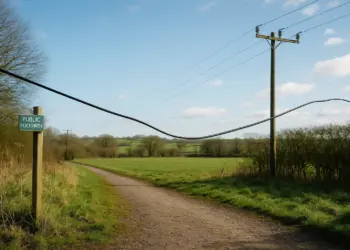
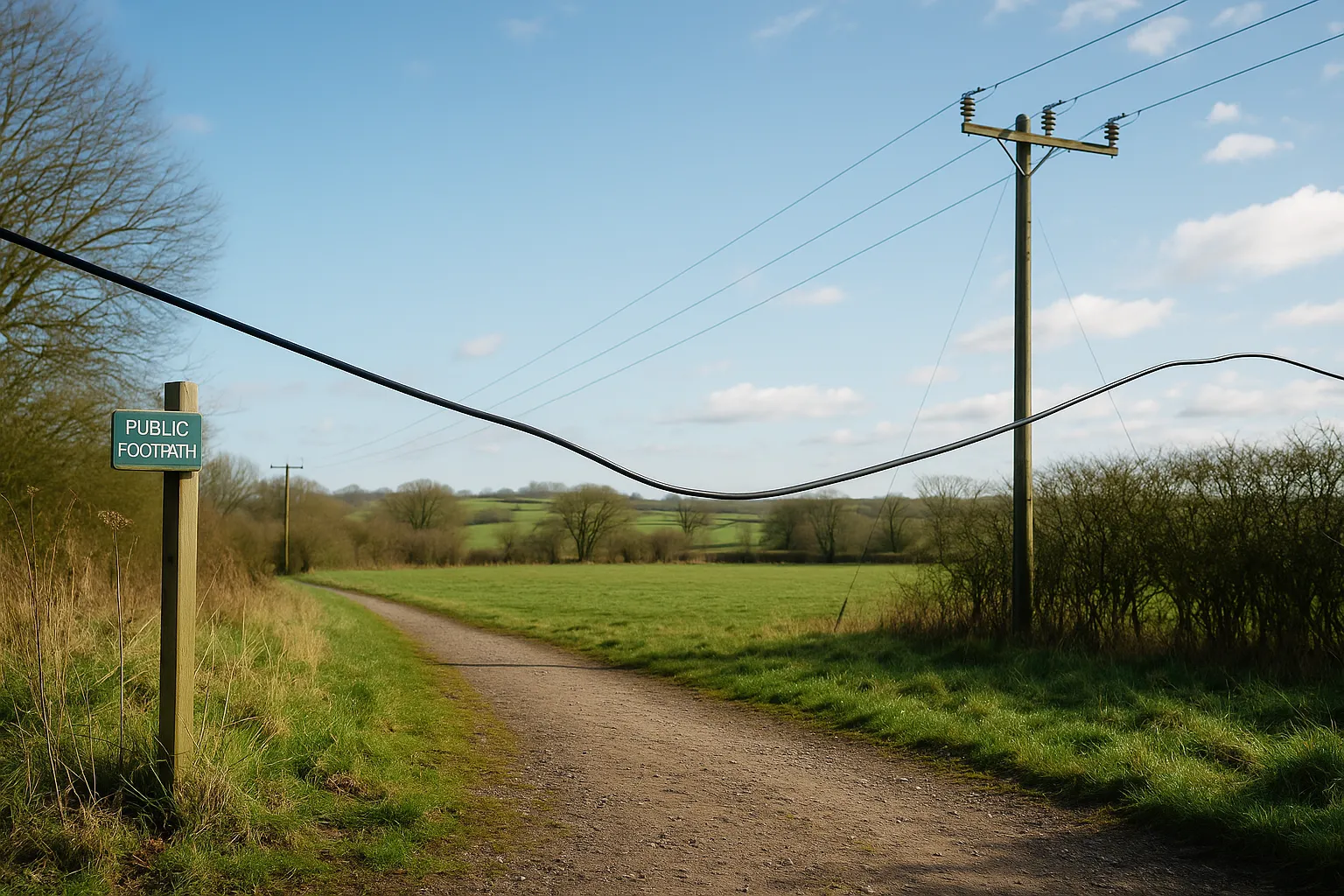
A tragic incident in Cumbria has highlighted concerns surrounding electrical safety following the death of a young man during what began as a routine run. John Henry Oates, 29, affectionately known as Harry, was fatally electrocuted on October 27, 2023, when he collided with a low-hanging power cable on a public footpath. An inquest into his death revealed significant details surrounding the circumstances that led to this shocking event.
Harry was visiting his family in Cumbria for a weekend escape that included cycling, golf, and running, having recently secured an offer on his first flat in Bristol. On that fateful day, just prior to his departure for a jog, Harry’s mother, Ros Oates, recalled their last conversation. She expressed concern by saying, “Take care,” to which he reassuringly replied, “Don’t worry, mum.” He had assured her he was prepared for his run, equipped with water, a snack, a phone, and a foil blanket, telling her, “I will be fine.” As he ran off, Mrs Oates observed him head down their garden into the fields, marking the last time she would see her son alive.
When Harry failed to return, his family grew anxious. His brother attempted to track Harry’s phone, suspecting it may have been lost during his run. Tragically, it was during this search that his father, Malcolm Oates, discovered Harry’s body just five minutes from their home. Recalling that moment, Mr Oates said he mistook the sight of something white on the ground for farm debris. As he approached, he realised with horror that it was his son lying on the ground, ensnared by the live cable that had fallen across his neck.
Mr Oates described the scene as “surreal,” with particular emphasis on the sight of the cable burnt against his son’s throat, which left an indelible mark on him. In a devastating phone call, he informed Mrs Oates about the tragedy while still standing over Harry’s body. It was later revealed that the power cable in question had been down for two days prior to the accident but remained live as it had not made contact with the ground.
Emergency services took two hours to stabilise the scene and secure Harry’s body. During this time, engineers from Electricity North West (ENWL) were alerted about the power disruption and arrived, having noted the disconnection had coincided with Harry’s fatal encounter with the cable. The inquest proceedings brought to light harsh realities regarding the state of electrical infrastructure, revealing that the cable had fallen due to complications stemming from the failure of porcelain insulators located atop a telegraph pole.
Mr Oates contested the findings of the inquest regarding the circumstances of the insulator failure, arguing that the presence of voids within the porcelain materials, responsible for causing such failures, is a well-recognised issue in the industry. He pointed out that the insulators involved were installed in 1959, raising serious questions about whether their continued use was justifiable. “If safety is the top priority, these outdated components should have been replaced years ago,” he asserted.
In light of Harry’s tragic death, investigations by ENWL revealed that a staggering 73 per cent of the 260 insulators tested across their network were found to contain similar voids. In response, the company announced plans to phase out porcelain disk insulators and commit to replacing them in about 8,000 locations across its network.
The implications of this incident extend beyond the immediate circumstances of Harry’s death. Mr Oates raised concerns about the extensive use of such insulators throughout the country, querying, “how many is that nationwide?” His family has yet to receive a response from ENWL regarding their tragic loss, which has left them seeking accountability and answers that remain elusive.
ENWL has publicly expressed its condolences to the Oates family, describing the incident as a “tragic” sequence of events that has been acknowledged as complex and rare by both the coroner and the Health and Safety Executive. A spokesperson for the company conveyed that safety remains their prime concern and that they will continue collaborating with other industry bodies to prevent similar accidents in the future.
Regrettably, this incident echoes previous tragedies. In 2012, another individual, Dr James Kew, was killed after coming into contact with a fallen electricity cable in Essex. Investigations revealed that the power company responsible had been warned about the cable yet failed to act promptly, resulting in dire consequences.
As discussions of electrical safety continue, the Oates family hopes their experience will lead to improved regulations and practices in the industry, ensuring that no other family has to endure the heart-wrenching loss they have faced. The circumstances surrounding Harry’s death serve as a stark reminder of the potential dangers posed by aging infrastructure and the critical importance of vigilance in the maintenance of public safety.
Our Thoughts
The tragic incident involving Harry Oates highlights significant failings in safety management and compliance with UK health and safety legislation. The power cable, which was known to be faulty yet still live, posed an immediate danger that was not adequately addressed by Electricity North West (ENWL). Key lessons include the imperative for rapid response to reported hazards and proactive maintenance of equipment, particularly older porcelain insulators which have been flagged for safety issues.
Under the Health and Safety at Work Act 1974 and the Electricity Safety, Quality and Continuity Regulations 2002, ENWL had a duty to ensure their infrastructure did not pose risks to public safety. The company’s apparent neglect of reporting and addressing the cable’s condition represents a breach of this obligation. Additionally, failure to properly manage and replace aging safety equipment could lead to further tragedies.
Preventative measures could include rigorous inspection regimes and installation of modern, safer materials, as well as immediate deactivation of power lines upon reports of hazards. The ongoing assessment of infrastructure safety is crucial in preventing similar incidents and protecting public safety.