













Story Highlight
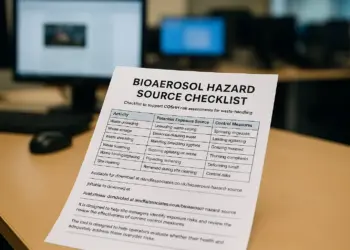
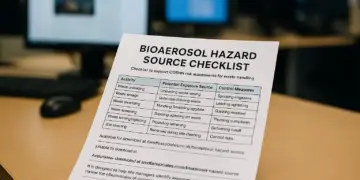
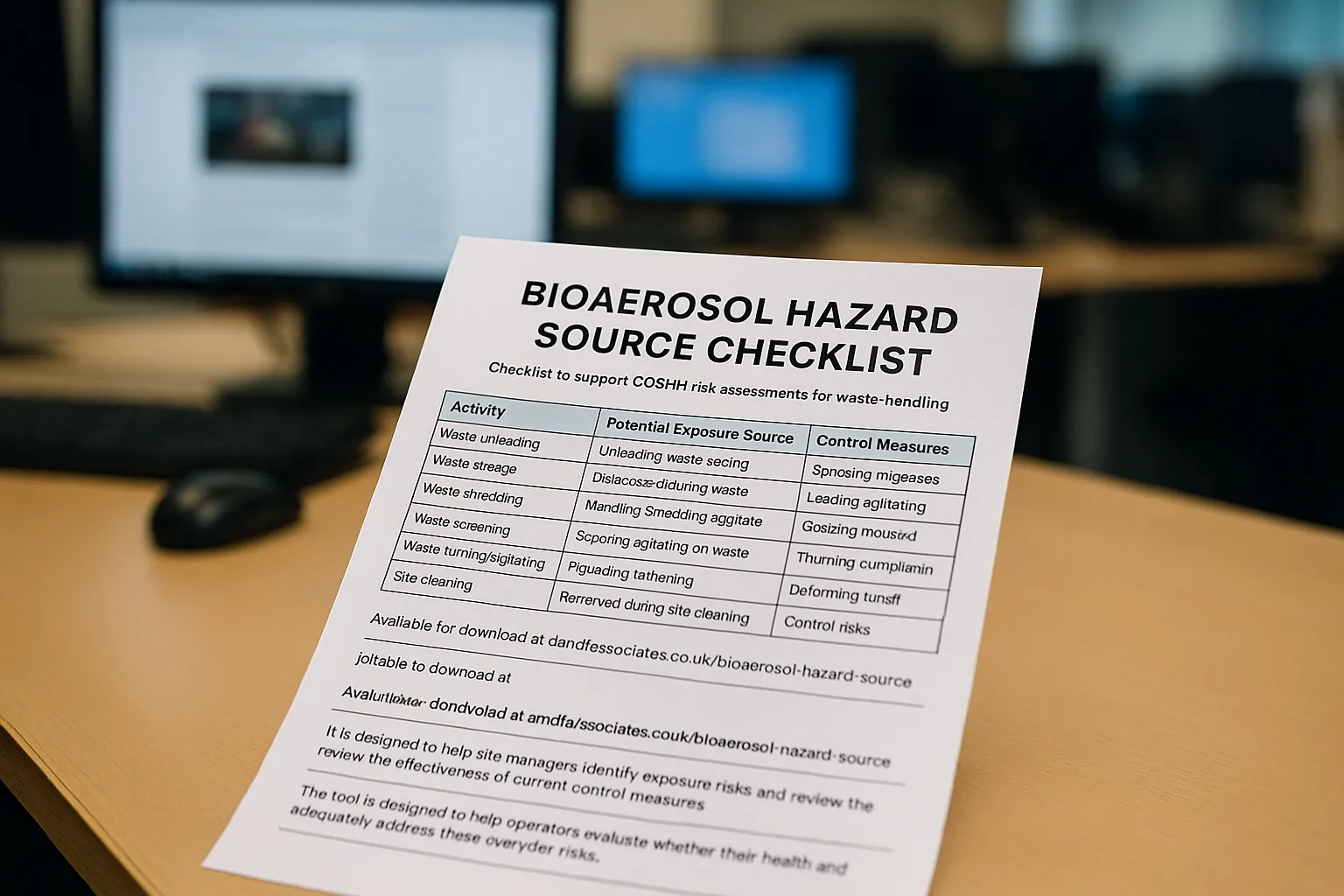
– D&F Associates developed a Bioaerosol Hazard Source Checklist.
– Checklist aids formal risk assessments under COSHH regulations.
– Bioaerosols released during waste handling and cleaning activities.
– Tool helps manage exposure risks and control measures.
– Available for download on D&F Associates’ website.
Full Story
D&F Associates Limited, a laboratory situated in Widnes since its establishment in 1999, has launched an innovative resource aimed at enhancing workplace safety in the waste and recycling sectors. This new tool is known as the Bioaerosol Hazard Source Checklist and is intended to assist in the execution of formal risk assessments compliant with the Control of Substances Hazardous to Health (COSHH) regulations.
Bioaerosols, which are microscopic particles released into the air and can comprise bacteria and fungi, pose a significant health risk. These particles can become airborne during various activities associated with waste management, such as handling, storage, and cleaning processes. Recognising the importance of mitigating these risks, D&F Associates has developed the checklist to provide an effective framework for site managers to assess potential hazards.
Sandra Davies, the managing director of D&F Associates, explained the rationale behind creating this checklist. “Handling and processing waste inevitably generates bioaerosols, particularly where materials are moved or agitated,” she stated. This insight underscores the reality that day-to-day operations in waste management can lead to increased exposure to harmful airborne particles.
The checklist serves as a practical tool designed for operators within the industry, prompting them to take a step back and critically evaluate their standard procedures. By doing so, it aims to ensure that all potential sources of exposure are thoroughly integrated into their COSHH assessments. This proactive approach helps to address safety concerns before they escalate into serious health implications.
Included in the checklist are common activities associated with waste handling that may lead to heightened levels of bioaerosols. It encourages site managers to review their existing control measures and their effectiveness in minimising these risks. This comprehensive evaluation is crucial in maintaining a safe working environment, particularly in settings where bioaerosols may pose health threats to employees.
Ms Davies highlighted the significance of the checklist for those working in the waste and recycling industries. She expressed optimism regarding its practical application: “We hope the checklist is useful for people working in the waste and recycling industry to identify whether a potential health hazard is present.” With this tool, operators can scrutinise their health and safety protocols to ensure they adequately address the risks posed by bioaerosols.
In addition to the checklist, D&F Associates provides a range of laboratory analysis and technical consultancy services tailored specifically for the waste and recycling sector. This commitment to supporting industry professionals underscores the company’s dedication to improving overall health and safety standards.
For those interested in utilising the Bioaerosol Hazard Source Checklist, it is readily available for download at the D&F Associates website. This easy access allows organisations in the waste management field to implement vital safety measures without delay.
The introduction of the checklist is timely, as the waste and recycling sectors continue to navigate increasingly complex health and safety challenges. By focusing on bioaerosols, D&F Associates is addressing an often-overlooked aspect of occupational health that can have significant implications for workers’ wellbeing.
The proactive identification and management of bioaerosols are vital in reducing workplace exposure, which can lead to a healthier workforce and increased compliance with health regulations. Industry experts are encouraged to not only adopt this checklist but also to engage in ongoing training and awareness programmes that highlight the importance of air quality management in their operations.
With waste management being an integral part of urban infrastructure, the potential harms associated with bioaerosols should not be underestimated. The ongoing development and distribution of resources such as the Bioaerosol Hazard Source Checklist are essential steps toward mitigating these risks and fostering safer work environments across the sector.
In summary, the introduction of the Bioaerosol Hazard Source Checklist by D&F Associates represents a significant advancement for risk management in the waste and recycling industries. By providing a targeted approach to identifying and managing bioaerosol exposure, the checklist is set to become a vital component in the health and safety strategies employed by industry professionals, ultimately contributing to better health outcomes for workers in this essential field.
Our Thoughts
To avert potential exposure to bioaerosols in the waste handling and recycling sector, more rigorous training and adherence to the Control of Substances Hazardous to Health (COSHH) regulations are imperative. Organizations should ensure all staff are equipped with knowledge about the risks associated with bioaerosols and how to mitigate them.
Regular risk assessments should be conducted using comprehensive tools like the Bioaerosol Hazard Source Checklist developed by D&F Associates. This checklist emphasizes the importance of evaluating operational procedures for waste handling to identify exposure sources and effectiveness of existing control measures.
Key safety lessons include the necessity for continuous monitoring of health and safety measures in routine activities among workers. It is crucial for site managers to actively engage in reviewing COSHH assessments and to implement recommended controls to prevent exposure.
Failure to adequately assess risks or implement effective control mechanisms possibly breaches COSHH regulations, leading to unsafe working conditions. The development and dissemination of practical resources such as the checklist are vital for improving safety standards and preventing similar incidents in the future.