















Story Highlight
– New Road Safety Strategy may include mandatory eye tests.
– Drivers over 70 could face driving bans if failed.
– Stricter laws for drink driving and seatbelt use anticipated.
– Changes expected to take effect before end of 2026.
– Age UK questions fairness of age-specific eye testing.
Full Story
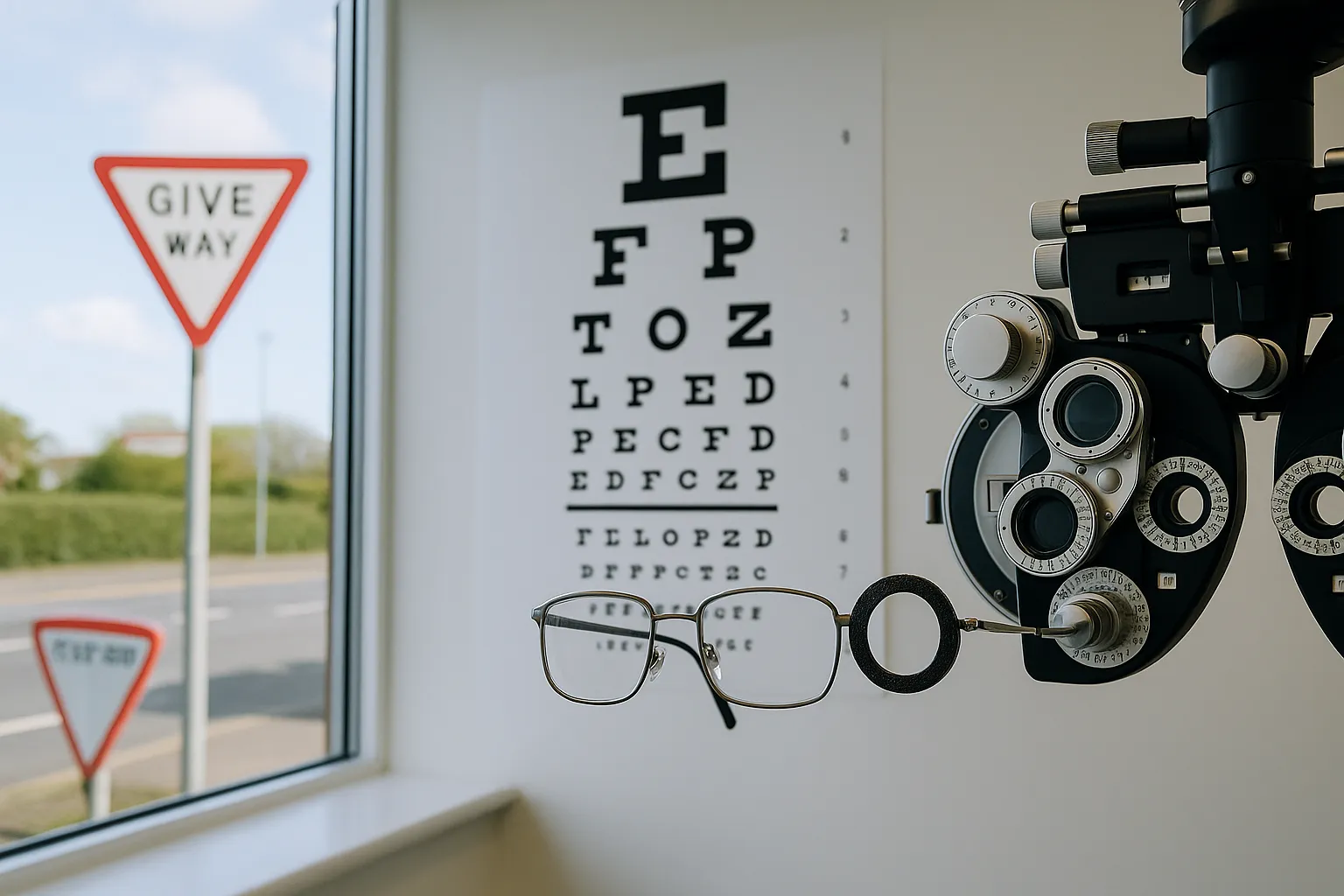
The government has signalled a significant shift in its approach to road safety with the upcoming introduction of a new strategy focused on ensuring safer driving practices across the UK. One of the proposed measures under consideration is the implementation of mandatory eye tests for drivers aged over 70, with the stipulation that failing such a test could lead to a suspension of their driving privileges. Although specific details remain unconfirmed since the initial announcement, it is anticipated that this initiative may be rolled out together with strengthened regulations addressing issues such as driving under the influence of alcohol, compliance with seatbelt laws, and the management of uninsured drivers.
The overarching goal of these initiatives is to enhance the safety of UK roads for all users. Current regulations require drivers over the age of 70 to renew their driving licences every three years, during which time they are expected to inform the Driver and Vehicle Licensing Agency (DVLA) of any changes in their eyesight. Should the proposed Road Safety Strategy come to fruition, it would mandate that these older drivers also undergo an eye test every three years as part of the licence renewal process. Should they fail this test, their licence renewal would be withheld by the DVLA.
While there is no definitive timeline for the implementation of this new regulatory framework, speculation suggests that it may come into effect as early as 2026. Stakeholders and road safety advocates are urging for timely action in addressing the needs of older drivers, particularly in light of ongoing discussions surrounding road safety improvements.
Support for the proposed changes has been expressed by various professional bodies, including the College of Optometrists and the Association of Optometrists. These organisations have highlighted that the UK is one of only three countries within Europe that relies on self-reporting by drivers concerning their visual health, which may not always result in accurate assessments. They argue that instituting mandatory eye tests could help lower the incidence of road-related fatalities, particularly among older drivers whose vision may deteriorate over time.
However, not all feedback has been overwhelmingly positive. Caroline Abrahams, Charity Director at Age UK, voiced concerns regarding the narrow focus on drivers aged 70 and above. “While it is certainly beneficial for our eye health as we age to have a regular eye test – the NHS typically recommends testing every two years – making an eye test compulsory at age 70 raises questions about its overall fairness,” she stated. Abrahams emphasized that vision problems can emerge at any age, suggesting that a more inclusive approach might be warranted—one that mandates regular eye tests for all drivers, irrespective of age. Such a strategy could mitigate perceptions of ageism while fostering a comprehensive assessment of drivers’ abilities on the road.
Reaction to the proposed strategy has generated a broader conversation about road safety beyond the implications for older drivers. Concerns about the increasing risk of accidents involving drivers of varying ages, due to factors such as distractions from mobile devices or lack of awareness around personal health changes, have emerged from safety advocates. A holistic approach that incorporates the needs of all drivers is seen as essential in making meaningful progress toward road safety.
Specific emissions from a range of advocacy and research groups underscore the urgent need for reforms. Emerging evidence suggests that older drivers can still navigate the roads safely with appropriate assessments and interventions. Therefore, it is vital that any potential changes reflect an understanding of the capabilities of older drivers while addressing broader safety issues across all demographics.
As discussions surrounding the new Road Safety Strategy continue, it remains crucial that responsible measures are introduced with adequate safeguards and support for all drivers. Ensuring that all individuals behind the wheel meet the necessary health and safety requirements can foster a safer driving environment for everyone and potentially reduce the rate of accidents and fatalities on the roads.
Those monitoring these developments, including local community groups and elderly advocacy organisations, are keenly aware of the need to balance safety with accessibility. Engaging in this conversation is pertinent; creating a dialogue around the needs of older drivers versus the imperatives of road safety can lead to everyone being included in a more equitable system.
As the potential regulations move forward, wider public consultation is expected to inform the government’s final stance on these issues. Ultimately, there is a collective goal of enhancing road safety without marginalising any particular group. The outcome of these proposed measures will undoubtedly attract attention, as they seek to navigate the delicate balance between ensuring the safety of road users while also respecting the rights and capacities of older drivers in the community.
Our Thoughts
To prevent potential safety issues highlighted in the article, a comprehensive approach to driver safety that includes regular eye tests for all ages rather than solely for those over 70 would be beneficial. This aligns with the Health and Safety at Work Act 1974, which emphasizes the duty of care to ensure the safety of all road users.
The article suggests that reliance solely on self-reporting of visual impairments is inadequate, which may contravene Regulations under the Road Traffic Act 1988 that mandate drivers must be fit to drive. Introducing mandatory eye tests for all drivers could mitigate risks associated with deteriorating eyesight that can affect individuals at any age, thus promoting overall road safety.
Furthermore, failing to implement regular checks could lead to breaches of the Management of Health and Safety at Work Regulations 1999, which require risk assessments and measures to mitigate identified hazards. Adopting a proactive stance on vision assessments for all drivers could create a safer driving environment and reduce accident rates significantly.