













Story Highlight
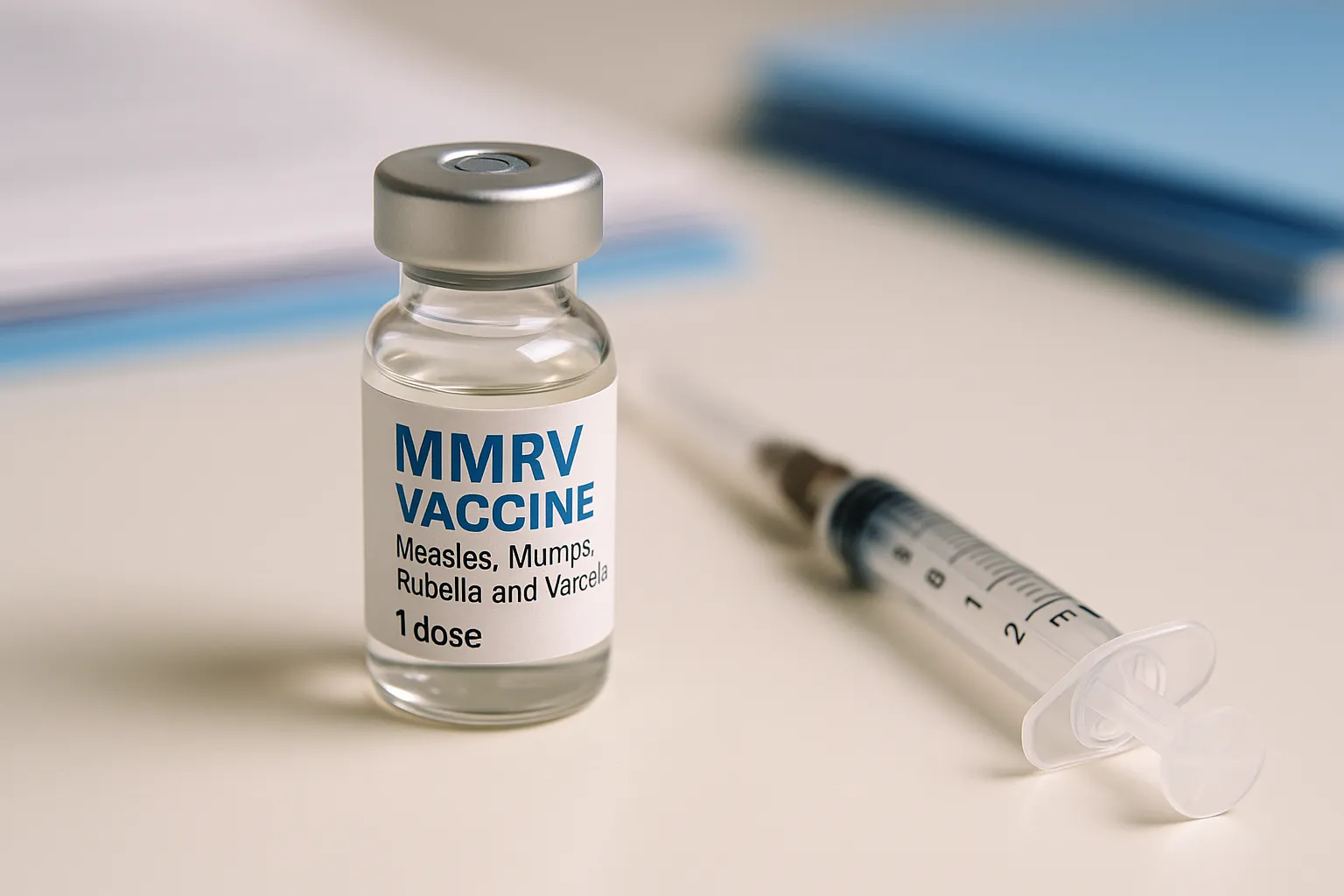
– MMR vaccine now includes chickenpox protection (MMRV).
– NHS launches chickenpox vaccination for children today.
– Health Secretary calls it historic milestone for child health.
– Vaccine proven effective and safe in multiple countries.
– Varicella zoster virus can lead to serious complications.
Full Story
The NHS has announced a significant expansion of its childhood vaccination programme, incorporating a new combined vaccine that will protect against chickenpox alongside the existing MMR vaccine, which covers measles, mumps, and rubella. This change, effective from today, marks the first time that the varicella zoster virus vaccine will be routinely offered to children in the UK.
Chickenpox is commonly caused by the varicella zoster virus and typically presents as a mild illness predominantly affecting children. However, it can be contracted by individuals of any age and, while most recover without complications, the virus can lead to serious health issues in some cases, including hospitalisation and, although rare, may even be fatal. The addition of the chickenpox vaccine is expected to significantly alleviate concerns for families, who often face disruptions due to outbreaks, with children missing school and parents needing to care for them at home when illness strikes.
Health Secretary Wes Streeting addressed the public about this historic change, stating, “Today marks a historic milestone in protecting our children’s health. For the first time, the NHS is offering chickenpox vaccination as part of our routine childhood immunisation programme.” He acknowledged the challenges families face due to chickenpox outbreaks, not only because of potential health risks but also due to the logistical and emotional stress it can cause in households.
This initiative follows the recommendation made by the Joint Committee on Vaccination and Immunisation (JCVI), accepted by both the UK and devolved governments in 2023. The rollout will enable hundreds of thousands of children across the four nations to receive the new MMRV vaccine as part of their standard immunisation schedule.
Dr Gayatri Amirthalingam, the deputy director of immunisation at the UK Health Security Agency, highlighted that while many parents may view chickenpox merely as a commonplace childhood ailment, it can pose serious risks for certain populations, such as young infants and adults. “Most parents probably consider chickenpox to be a common and mild illness, but for some babies, young children and even adults, chickenpox can be very serious, leading to hospital admission and tragically, while rare, it can be fatal,” Dr Amirthalingam remarked. She further assured the public that the vaccine is both effective and safe, having seen successful use in various countries for several years.
The inclusion of this vaccine comes after a period where families had the option to pay privately for the chickenpox vaccination, which typically cost around £150. Under the previous NHS guidelines, only children in close contact with individuals at high risk for severe illness, such as a parent undergoing cancer treatment, were eligible for the vaccine via the NHS.
As part of the new vaccination schedule, children born on or after January 1, 2025, will be administered the combined MMRV vaccine at 12 months and again at 18 months. For those born between July 1, 2024, and December 31, 2024, the scheduling will be slightly different, with doses given at 18 months and three years and four months. Additionally, for children born between September 1, 2022, and June 30, 2024, a single dose will be available at three years and four months of age. There are also plans for a catch-up programme later in the year, allowing children born between January 1, 2020, and August 31, 2022, to receive one dose of the vaccine.
Prof. Steven Turner, the president of the Royal College of Paediatrics and Child Health, welcomed the expansion of the vaccination programme, noting the importance of immunisation in safeguarding children’s health. “It is welcome news that a chickenpox vaccine is now being rolled out across England and the whole of the UK in order to protect children and young people. Vaccinations are proven to be a very effective way to protect children’s health and prevent serious illness,” he emphasised. He urged parents and caregivers to ensure their children are vaccinated as a crucial measure for their wellbeing.
Overall, this proactive vaccination strategy is expected to enhance public health, reduce the incidence of chickenpox-related complications, and ease the anxieties that families have traditionally associated with this illness. The NHS’s commitment to expanding its immunisation framework reflects a broader endeavour to enhance child health outcomes through preventive medicine, which has become increasingly vital in safeguarding future generations from preventable diseases.
Our Thoughts
The introduction of the MMRV vaccine is a significant step in public health, aimed at preventing serious illness from chickenpox. However, lessons can be learned regarding communication and education around vaccination importance. To enhance vaccine uptake and ensure parental awareness, health organizations could have launched proactive educational campaigns on the risks associated with chickenpox and the benefits of vaccination.
Furthermore, any delay in integrating the chickenpox vaccine into the routine immunization schedule could expose children to preventable complications, potentially breaching regulations related to safeguarding health under the Health and Safety at Work Act 1974 and the Children Act 1989. By providing parents with comprehensive resources and timely information, incidents of chickenpox-related hospitalizations could be significantly reduced.
To prevent similar issues in the future, ensuring that vaccination programmes are implemented swiftly and accompanied by robust public health campaigns can help maintain high immunization rates and protect vulnerable populations in accordance with the UK vaccination policies and public health guidelines.