












Story Highlight
– Free chickenpox vaccinations launched in NHS childhood program.
– Vaccine combined with MMR jab for children 12-18 months.
– Health experts emphasize chickenpox can be serious illness.
– Aim to reduce parental work absence and healthcare costs.
– Rollout supported by safety evidence from multiple countries.
Full Story
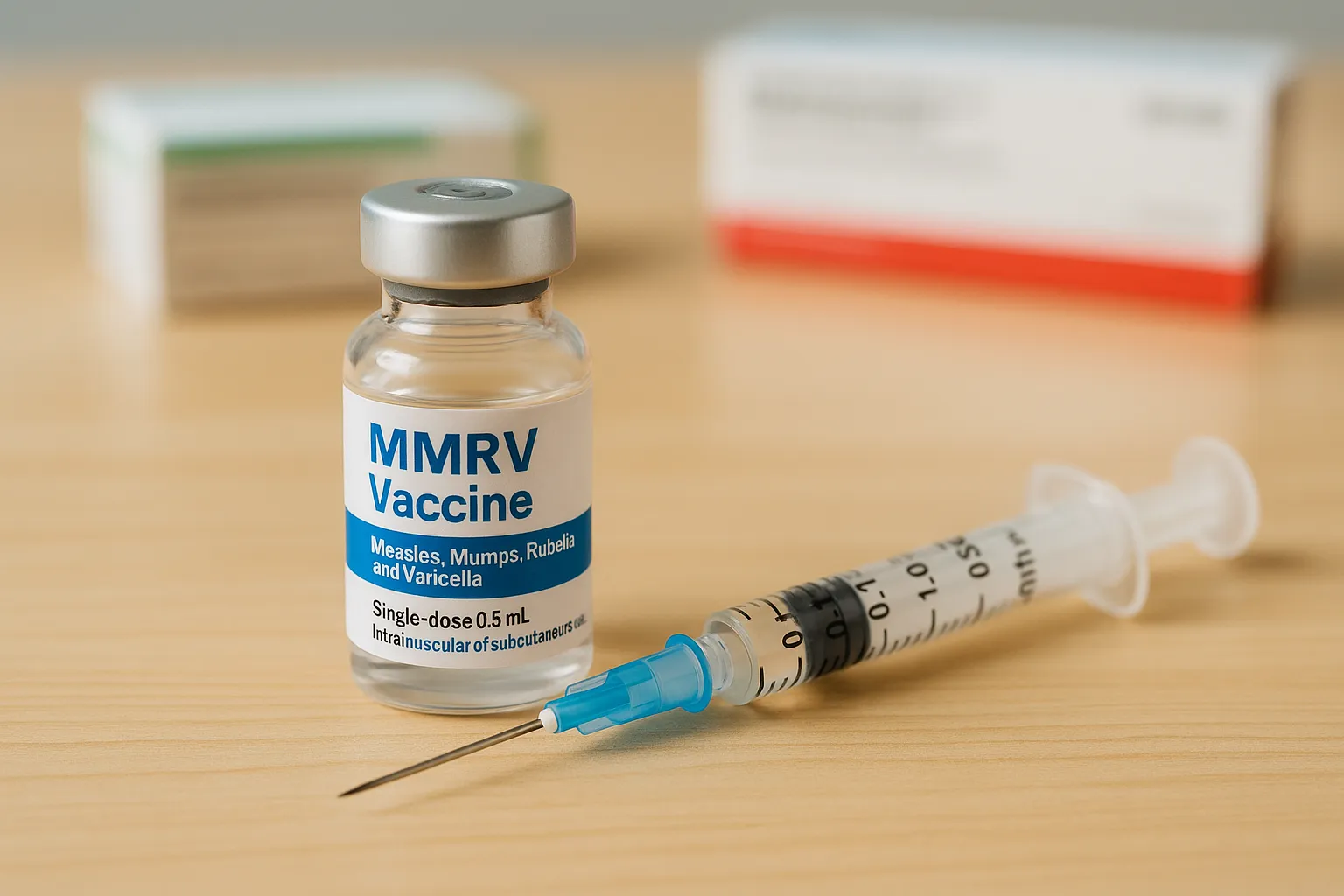
Children throughout the UK will now have the opportunity to receive a chickenpox vaccination, which is being offered alongside the Measles, Mumps and Rubella (MMR) vaccine as part of the National Health Service’s (NHS) routine childhood immunisation programme. This significant rollout began today and aims to enhance the overall health of children and reduce absenteeism from school due to illness, according to health professionals who have praised the initiative.
The implementation of free chickenpox vaccinations is seen as a proactive measure to ensure that children remain healthy and well-prepared for their educational commitments. By doing so, the programme not only aims to protect children from a disease that can lead to severe complications but also alleviates the burden on parents who frequently find themselves taking time away from work to care for sick children.
Health Secretary Wes Streeting expressed his optimism regarding the potential impact of this initiative. “This is going to make a real difference for children and families right across our country, because while chickenpox can be irritable and difficult for children, it can also be extremely serious and occasionally even fatal,” he stated in an interview with the Press Association. He also highlighted the convenience of the combined jab, which allows parents to secure protection against chickenpox alongside the MMR vaccine for their children aged between 12 and 18 months.
The introduction of this combined vaccine comes after recommendations made by the Joint Committee on Vaccination and Immunisation (JCVI) in 2023. Health Secretary for Scotland, Neil Gray, commented on the importance of this step, stating, “This is a major step forward in protecting the health of our children into adulthood and for generations to come.” He noted that global evidence supports the safety and efficacy of the vaccine, which will contribute to fewer interruptions in schooling for children.
In Wales, Jeremy Miles, the Cabinet Secretary for Health and Social Care, echoed these sentiments, urging parents to take advantage of the vaccination offer. “Evidence shows the vaccine is safe and effective, and will help to prevent children becoming seriously ill. I would urge parents to take up the offer of vaccination, and if they have questions, to speak to their GP for further information,” he said.
NHS England has announced that from today, hundreds of thousands of children will be eligible to receive the combined jab, with general practitioners reaching out to families as part of the regular vaccination schedule.
Chickenpox, medically referred to as varicella, is a highly contagious infection that predominantly affects young children. Although it is typically mild, the illness can lead to serious health issues in a small number of cases. Estimates suggest that parents in the UK lose approximately £24 million annually in income and productivity due to time taken off work for childcare during such illnesses. The vaccination programme is also projected to save the NHS around £15 million each year in costs incurred from treating chickenpox-related complications.
Dr. Claire Fuller, national medical director for NHS England, described the introduction of the vaccine as a “hugely positive moment” for families. He explained that “providing protection against chickenpox for the first time” enhances the existing array of vaccinations available to children, aiming to safeguard them from serious health risks associated with highly contagious viruses. Dr. Fuller emphasised the goal of shifting the focus of the health service from reactive treatment to preventative measures, hence ensuring that children can remain healthy and engaged in their education.
Dr. Gayatri Amirthalingam, deputy director of immunisation at the UK Health Security Agency, encouraged parents to make vaccination a priority. “With a vaccine now being introduced into the NHS childhood vaccination programme starting today, I hope parents will make it one of their New Year resolutions to ensure their child takes up the offer when invited,” she remarked. Dr. Amirthalingam underlined the vaccine’s established success in several countries, where it has demonstrated a strong safety record and effectiveness.
The rollout will see children born on or after January 1, 2025, being offered two doses of the MMRV vaccine at the ages of 12 months and 18 months. Those born between July 1, 2024, and December 31, 2024, will receive the vaccine in two doses at 18 months and three years and four months. Additionally, children born between September 1, 2022, and June 30, 2024, will have one dose administered at three years and four months. The NHS also plans to launch a single-dose catch-up initiative later this year for children born between January 1, 2020, and August 31, 2022.
Professor Steven Turner, president of the Royal College of Paediatrics and Child Health, expressed his support for the vaccine’s rollout, highlighting its pivotal role in enhancing children’s health. “Vaccinations are proven to be a very effective way to protect children’s health and prevent serious illness,” he stated, reinforcing the importance of immunisation for parents and caregivers.
Furthermore, Professor Victoria Tzortziou Brown, chairwoman of the Royal College of General Practitioners, recognised the expansion of the NHS’s childhood vaccination programme as a momentous achievement in public health. She stated, “The NHS childhood vaccination programme has been one of the great successes of modern medicine, and we’re pleased to see it being expanded to protect children against chickenpox through what will now be the combined MMRV vaccine.”
This new initiative marks a significant progression in public health, aiming to fortify immunisation efforts across the UK and ultimately protect the welfare of future generations.
Our Thoughts
The rollout of the combined MMRV vaccine represents a proactive public health initiative to prevent chickenpox and its complications among children in the UK. However, to further enhance safety and effectiveness, several key measures could have been implemented:
1. **Public Awareness Campaigns**: Increased education on the benefits and availability of the vaccine could ensure higher uptake rates. Compliance with health promotion regulations under the Health and Safety at Work Act 1974 might have been emphasized.
2. **Monitoring and Reporting Mechanisms**: Establishing robust post-vaccination monitoring for adverse reactions could align with the Reporting of Injuries, Diseases and Dangerous Occurrences Regulations (RIDDOR) to ensure transparency and maintain public trust.
3. **Accessibility Enhancements**: Ensuring easy access to vaccinations in various community settings can support compliance with the Health and Safety (Safety Signs and Signals) Regulations 1996 by making health interventions overwhelmingly visible and available.
4. **Ongoing Training for Healthcare Providers**: Continuous professional development on administering combined vaccines could ensure adherence to best practices, addressing potentially overlooked safety protocols as detailed in the Management of Health and Safety at Work Regulations 1999.
Overall, by enhancing awareness, monitoring, accessibility, and professional training, the UK could maximize the benefits of the new vaccination program while minimizing risks associated with vaccine rollout.