















Story Highlight
– Britain may pay 25% more for drugs due to Trump.
– NHS faces delays and budget issues from higher costs.
– Pharmaceutical companies threaten investment withdrawal from UK.
– Proposed increase affects access to treatments for patients.
– Trump’s tariffs pressure UK government to negotiate drug prices.
Full Story
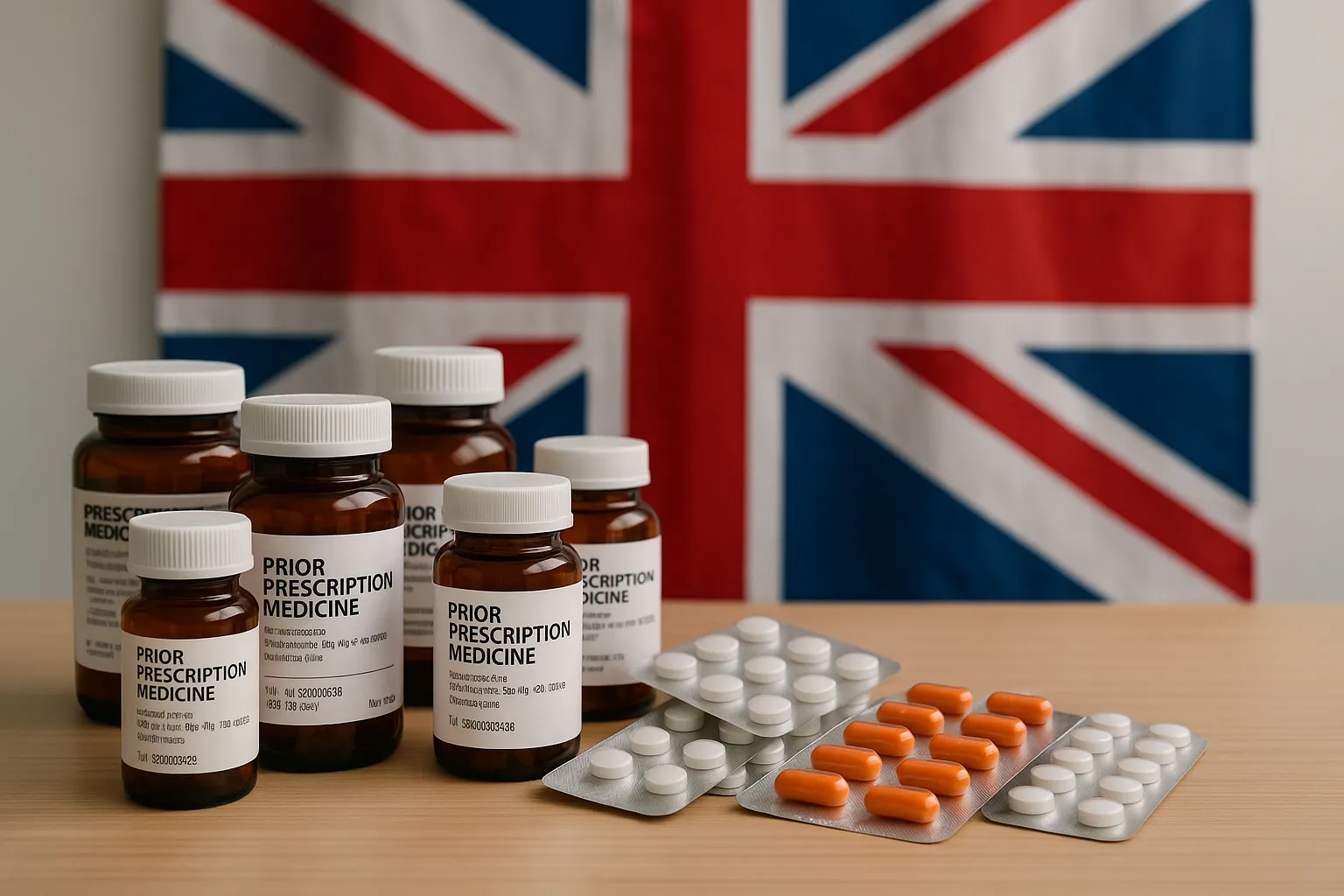
Negotiations between the UK government and the United States are intensifying as the nation faces significant pressure to increase its expenditure on pharmaceuticals in light of potential economic sanctions from the Trump administration. Reports indicate that the UK is considering a proposal that could result in a 25% increase in the price paid for essential medications. This development has raised alarms among health experts, who warn that such a financial commitment may lead to severe implications for patient care within the National Health Service (NHS).
Concerns have been voiced regarding the potential delays in treatments for patients, should the NHS be compelled to allocate more funds towards pharmaceuticals. The anticipated financial burden could create a considerable deficit in the NHS budget, making it increasingly challenging to provide timely care. The historical context highlights how the NHS has effectively leveraged its collective bargaining power to negotiate lower drug prices compared to private health systems in the United States.
Insider reports suggest that the UK government has engaged in discussions with American officials to avert the implementation of substantial tariffs on drug imports—a move that could heavily impact NHS funding and patient access to critical treatments. The pharmaceuticals industry, represented by prominent companies including AstraZeneca, Merck, and Eli Lilly, has warned of withdrawing investment from the UK unless an agreement is reached on higher payment thresholds for their products. This stance is seen as a direct response to Trump’s threats of substantial tariffs if the UK does not adjust its pricing strategy.
Professor Ed Wilson, a health economics expert from the University of Exeter, elucidated the potential ramifications of the proposed changes. “When we agree to the inclusion of a new drug within the NHS, we must offset that expenditure by reducing funds available for other treatments,” he explained. Such trade-offs may manifest as extended wait times for patients requiring alternative therapies. He elaborated on the concept of “opportunity cost,” where increased spending in one area detrimentally affects others, ultimately resulting in poorer health outcomes for patients who may experience delays in care.
Dr. Dan Howdon, an associate professor of health economics at Leeds University, echoed these concerns, emphasising that the pressures to raise the payment threshold are not driven by a desire to enhance public health. Instead, they are largely influenced by geopolitical dynamics and the interests of pharmaceutical companies. The significant reduction in investment by major pharmaceutical firms over the past year underlines the intensity of these pressures. For instance, Merck has halted the development of a £900 million research centre, while AstraZeneca postponed significant investments in its Cambridge facility following the cancellation of a proposed vaccine production centre in Liverpool.
In this climate of uncertainty, Eli Lilly has indicated that it is awaiting further clarity before moving forward with its UK investment plans. As industry stakeholders assess the implications of the proposed changes to pricing, they face criticism from advocacy groups such as Global Justice Now. The organisations have accused major pharmaceutical companies of operating in a manner akin to a cartel, a claim that representatives from the industry are contesting.
A government spokesperson has confirmed that the UK is engaged in advanced discussions with the US administration regarding the pharmaceutical sector. “This sector is vital for our NHS, our economy, and our broader goals for health improvement,” the spokesperson asserted. They also pointed to the government’s commitment to increasing investments in innovative medicines relative to previous years.
The National Institute for Health and Care Excellence (NICE) plays a crucial role in determining the value of pharmaceuticals based on their clinical and cost effectiveness. Its assessments, which utilise a metric known as quality-adjusted life years (QALYs), help gauge the overall impact of therapies on patient outcomes. Presently, NICE describes treatments costing between £20,000 and £30,000 per additional QALY as representing good value for money. The proposed raise in the assessment threshold would potentially grant access to pricier medications for patients; however, this would also result in a higher overall expenditure for the NHS.
Professor Wilson illustrated this dynamic further with a hypothetical situation: if the NHS were to approve a costly treatment at £40,000 per QALY, the allocation of resources from other patients could lead to a net loss in health benefits. He stated, “The acceptance of new treatments at increased costs could significantly diminish overall population health.”
Jason Howdon added that a rise in the payment threshold should be examined critically within the framework of existing research, which overwhelmingly suggests current limits are already set too high. He insisted that any adjustments aimed at relaxing these limits would primarily be influenced by external pressures from the pharmaceutical industry and geopolitical situations.
Amidst these financial negotiations, Trump has articulated his perspective on global pharmaceutical pricing, suggesting that US consumers subsidise research and development from which other nations benefit. He has warned of potential tariffs of up to 100% on pharmaceutical imports if countries, including the UK, do not align their pricing structures with US expectations.
In conclusion, while the UK government navigates these challenging negotiations with the US, the ramifications of any potential agreements could have profound impacts on the NHS, patient care, and the broader landscape of healthcare in the UK. Both government representatives and health economists alike stress the need for transparency regarding the consequences of inflated drug prices on patient access and care continuity within the NHS framework.
Key Takeaways
– UK to potentially increase NHS drug spending by 25% to avoid Trump-imposed tariffs.
– Experts warn this may lead to increased delays for NHS patients due to budget strain.
– Pharmaceutical companies threaten to withdraw investments if higher prices are not accepted.
– Raising the NICE threshold could improve access to some drugs but may harm overall patient care.
– Critics argue the move prioritizes industry interests over public health outcomes.
– Ongoing negotiations with the US administration are aimed at securing favorable terms for UK pharmaceuticals.





If drug prices rise by that scale the immediate impact will be on service capacity and patient access. Budgets are already stretched and a 25 percent uplift in medicine costs would force difficult choices between treatments staffing and other essential services. That would delay care and increase pressure on frontline teams. It is vital to prioritise transparency in any negotiations ensure procurement strategies protect supply continuity and consider short term funding to shield patient services while longer term pricing and investment arrangements are resolved.
This is worrying for patient safety and service delivery. Increased drug costs will squeeze budgets, forcing difficult choices between treatments, staffing and other essential services. Delays in access to medicines risk worse outcomes and higher long term costs. The government must prioritise securing stable supply chains and fair pricing agreements while ensuring clinical decisions remain driven by patient need rather than political or commercial pressures. Transparency around negotiations and contingency planning for procurement and rationing will be critical to protect care standards.
If NHS budgets are forced to absorb a large rise in medicine costs the impact will be felt across services and patient care. We will see difficult choices on which treatments can be funded and where staffing and other resources must be cut to balance budgets. Protecting access to essential medicines should be an immediate priority and government negotiators need contingency plans to prevent supply disruption and to support frontline providers facing increased procurement costs. Transparency on projected financial impacts and early engagement with trusts and clinicians will be key to managing demand and minimising harm to patients.
If drug costs rise sharply the immediate risk is reduced access to essential treatments and longer waiting times for patients. Budget pressures could force difficult choices across care services and delay planned improvements. Policymakers should seek targeted funding protections for medicines and negotiate hard to prevent investment flight while ensuring patients are not left paying the price.