















Story Highlight
– Over a third of pet foods tested contained harmful bacteria.
– Raw pet food poses higher cross-contamination risks.
– 29% of products failed UK legal safety standards.
– Vulnerable groups should exercise extra caution with pet food.
– FSA emphasizes safe handling and hygiene practices.
Full Story
Pet owners are advised to exercise caution after alarming findings revealed significant contamination levels in certain pet foods. Investigations have shown that over a third of tested products contain dangerous bacteria, including Salmonella, Campylobacter, and E. coli, prompting health authorities to issue warnings concerning raw pet food, which has become increasingly popular among pet owners.
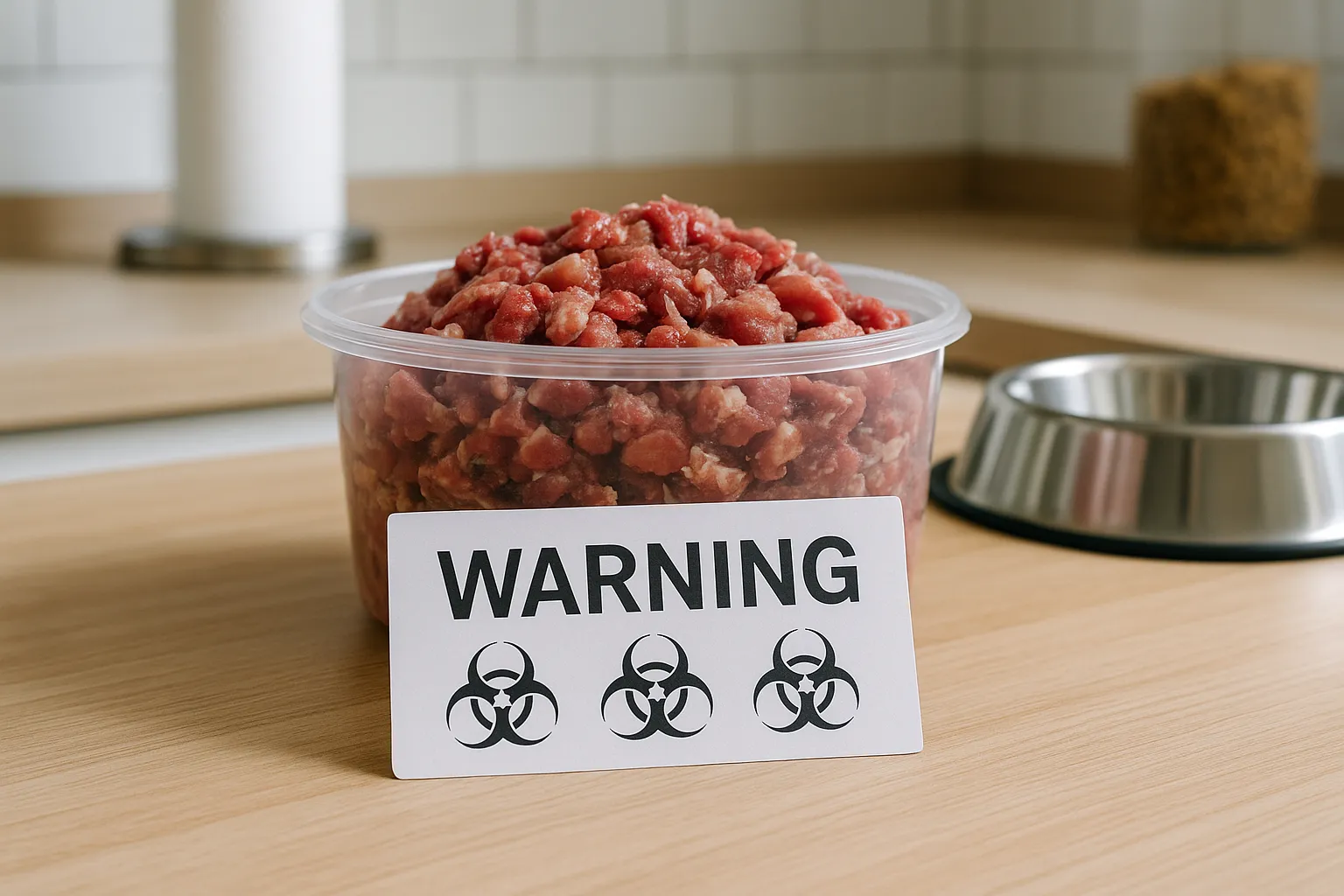
The Food Standards Agency (FSA) has expressed concern over the safety of raw pet food, emphasising that these products, often made of unprocessed or uncooked meats, can pose higher health risks due to the nature of their preparation. Many pet owners may not realise that several items, including some dried treats and chews, contain raw meat, which significantly raises the risk of cross-contamination.
“Raw pet food is pet food that is made up of unprocessed or uncooked meat, offal and raw bone,” the FSA explained. “It may not always be obvious that products…contain raw meat.” This lack of clarity in ingredients can lead to unintentional risks in the home.
The FSA’s study included a review of 380 varieties of raw dog and cat food purchased from both retail stores and online platforms between March 2023 and February 2024. Subsequently, the UK Health Security Agency (UKHSA) analysed these products, identifying specific concerns which were then addressed in collaboration with local authorities. The results serve as a crucial reminder for pet owners about the importance of maintaining stringent hygiene practices in their homes while handling and preparing pet food.
The findings of the FSA’s research revealed that 35% of the sampled raw pet food products were contaminated with harmful bacteria, such as Salmonella, which can cause illness in humans. Moreover, 29% of the products did not meet the requisite legal safety standards established in the UK, raising further alarms about the safety of these foods.
Veterinary experts strongly recommend heightened vigilance, particularly for vulnerable groups, including young children, pregnant women, the elderly, and individuals with weakened immune systems. These populations are at increased risk of experiencing severe illness and should therefore take extra precautions when dealing with raw pet food. The FSA has urged that any concerns regarding the health implications for pets are to be addressed with professional guidance from veterinarians, who can suggest appropriate dietary alternatives.
According to NHS guidelines, the bacteria in question may lead to symptoms such as diarrhoea, fever, and abdominal cramps. Transmission can occur via consumption of contaminated or undercooked foods, including poultry and raw meats, alongside inadequate hygiene practices.
In light of these findings, the FSA is reinforcing its commitment to ensuring the safety of pet foods through strict regulations. They are actively working alongside local authorities to remind manufacturers of their responsibilities to produce safe pet food and to reinforce the importance of proper handling and preparation techniques for raw pet foods.
Rick Mumford, Interim Chief Scientific Advisor for the FSA, provided insight into the necessity of hygiene, stating, “Good hygiene practices and safe handling can help reduce the risks to you and your family. Follow the same hygiene principles you would when preparing food for the humans in your life; washing hands thoroughly with soap and water, cleaning all surfaces, and storing and defrosting pet food and treats away from human food.”
To support pet owners, the FSA has created a dedicated guidance page providing comprehensive information on the safe handling of raw pet food. This resource aims to educate pet owners on the precautions they can take to minimise health risks, including proper storage, defrosting techniques, and best practices for preparation.
As the popularity of raw pet food continues to rise, awareness surrounding its safe handling is critical. Pet owners are reminded to remain vigilant, ensuring they adhere to food safety protocols at all times. Ensuring that raw pet food is kept separate from human food and consistently employing good hygiene can greatly decrease potential health hazards.
The revelation of bacteria-rich raw pet foods is unsettling, underscoring the importance of scrutiny when selecting pet food products. As pet ownership evolves and preferences shift towards more natural feeding options, the emphasis on food safety remains paramount. Therefore, consumers are urged to stay informed and vigilant about the products they choose for their pets and the necessary steps to take to maintain health and safety within their households.
In conclusion, while raw pet food can offer benefits, it also necessitates careful handling and awareness of potential risks. By following the guidelines set forth by health authorities and consulting with veterinary professionals, pet owners can better protect their furry companions and their families from the dangers posed by contaminated food products.
Our Thoughts
To prevent the contamination of pet food with harmful bacteria, several measures could have been implemented. Firstly, stricter compliance with food safety regulations under the Animal Feed (Composition, Marketing and Use) Regulations 2015 and the Feeding Stuffs Regulations 2005 is essential. These laws outline the requirements for ensuring pet food safety, including ingredient sourcing and testing for pathogens.
In addition, improving traceability in the supply chain for raw ingredients could help in identifying and addressing sources of contamination effectively. Educating pet food manufacturers and retailers about the importance of hygiene standards during the handling and processing of raw meat is critical. Regular audits should also be conducted to ensure adherence to hygiene practices that mirror those applied in human food preparation.
At the consumer level, the emphasis on good hygiene practices, as highlighted by the FSA, should be reinforced through clear labeling of raw pet food products. Providing explicit instructions for safe handling and preparation can mitigate the risk of cross-contamination. Future incidents could be prevented by conducting routine testing of final products and maintaining a strong regulatory framework to enforce safety standards effectively.