













Story Highlight
– UK Health Security Agency warns about raw pet food hazards.
– Raw food may contain harmful bacteria like Salmonella, Campylobacter.
– 35% of surveyed products had dangerous bacteria present.
– Strong hygiene practices advised after handling raw pet food.
– FSA promotes safe handling to protect pets and owners.
Full Story
The UK Health Security Agency (UKHSA) has raised concerns regarding the potential dangers associated with raw pet food products, alerting pet owners to the risk of harmful bacteria. This new advisory comes in light of evidence suggesting that a significant number of these products may carry pathogens harmful not only to pets but also to humans.
In an announcement via social media platform X, the UKHSA conveyed important information pertaining to the health of the nation’s approximately 13 million dog owners. The Food Standards Agency (FSA) stated: “The Food Standards Agency is reminding people to take care when handling raw pet food, following a survey that found some products can contain harmful bacteria that could make pets and their owners ill.”
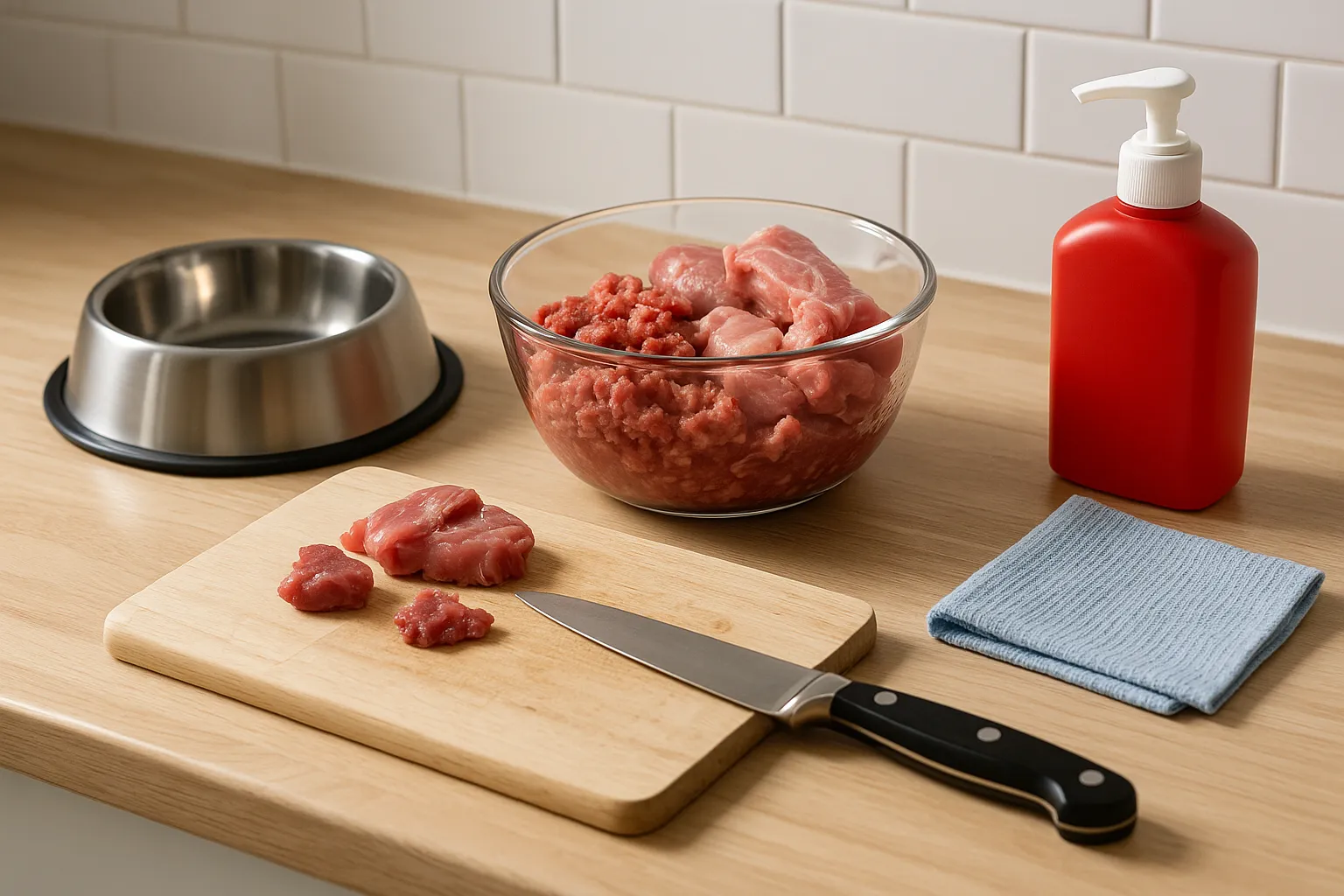
Gauri Godbole, Deputy Director at UKHSA with a focus on gastrointestinal infections, food safety, and One Health, elaborated on the issue. She explained, “Raw pet food products can carry harmful bacteria such as Salmonella and Campylobacter, which can cause diarrhoea, stomach cramps and sometimes vomiting and fever.” Godbole urged pet owners to adopt rigorous hygiene practices, including washing hands after handling raw food, disinfecting bowls, utensils, and surfaces, and storing raw pet food separately from human provisions.
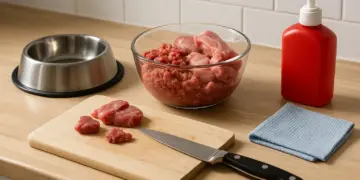
Raw pet food typically consists of uncooked meat, offal, and raw bones, including both wet formulations and dried chews. This meat is commonly derived from animal products that were initially intended for human consumption but later deemed suitable only for pet food, an aspect reported extensively in the media.
The FSA’s survey, which sampled 380 raw dog and cat food items sourced from retail outlets and online platforms between March 2023 and February 2024, highlighted the bacteria risk associated with such products. Subsequent analysis by the UKHSA indicated that a concerning 35% of these items contained dangerous bacteria, such as Salmonella, Campylobacter, and E. coli, all of which are known to cause illness in humans. Furthermore, 29% of the surveyed products did not comply with legal safety standards established in the UK.
The inherent risk of bacterial contamination in raw pet food is exacerbated by the fact that these pathogens are typically eradicated through cooking. Experts have cautioned that improper handling of pet food can lead to the spread of antibiotic-resistant bacteria, which poses a broader public health concern.
Stephen Wyllie, Veterinary Head of One Health at the Animal and Plant Health Agency (APHA), remarked on the significance of these findings. “APHA is a world leader on Antimicrobial Resistance (AMR) in animals, carrying out vital research to reduce the spread of AMR,” he said. He went on to reinforce the need for proper handling of raw pet food, equating it to the precautions taken when handling raw meat to mitigate the risk of foodborne infections and combat the spread of antimicrobial resistance among pets.
The FSA is proactively working with local councils to enhance awareness among businesses that supply pet food, ensuring they understand their safety obligations. This collaboration aims to bolster guidance for pet owners on how to safely manage raw pet food.
Rick Mumford, Interim Chief Scientific Adviser for the FSA, shared his insights on the prevalence of raw pet food in pet ownership. “We know that many pet owners choose raw pet food. This survey shows that these products can pose risks to human and animal health,” he noted. His emphasis on hygiene practices—akin to those used in preparing food for humans—was intended to educate and reassure pet owners. “Good hygiene practices and safe handling can help reduce the risks to you and your family,” Mumford added. He advocated for thorough hand washing, surface cleaning, and appropriate storage practices to mitigate health risks associated with raw pet food.
Pet owners are strongly encouraged to seek veterinary guidance if they have concerns over the potential dangers linked to raw feeding. With experts available to recommend suitable alternative diets, owners can ensure the safety and well-being of their pets, while also protecting themselves from health risks.
In the light of this new advisory, pet owners should remain vigilant regarding raw pet food practices. The potential health implications underscore the necessity for comprehensive education on hygiene and food safety, as the popularity of raw feeding continues to trend among pet guardians. The FSA’s dedicated guidance page offers further details and recommendations for the secure handling of raw pet food, thus providing essential resources for maintaining health standards in households with pets.
The overall message from health authorities is clear: safety must take precedence in the feeding practices of pets. Ensuring that owners are informed and equipped to handle raw pet food responsibly will be crucial in safeguarding both animal and owner’s health.
Our Thoughts
To mitigate risks associated with raw pet food, better adherence to UK health and safety legislation, specifically the Food Safety Act 1990 and its subsequent regulations, is essential. The findings indicate that 29% of raw pet food products failed to meet safety requirements, highlighting a lack of compliance in the manufacturing and supply chain processes.
Implementing stricter quality control measures and regular inspections would help ensure safety standards are met. Additionally, clearer labeling regarding handling instructions and potential hazards could inform consumers better and reduce human exposure to harmful bacteria like Salmonella and Campylobacter.
Key safety lessons include the importance of promoting hygiene practices among pet owners, akin to those followed when preparing human food. Educational initiatives by the Food Standards Agency and collaboration with local authorities can enhance awareness about safe handling and storage of raw pet food.
Preventive measures should focus on comprehensive regulatory compliance, consumer education, and reinforcing best practices to reduce contamination, thereby protecting both pet and owner health.