







Story Highlight
– Storm Goretti brings heavy snow and icy conditions.
– Fire services warn against walking on frozen water.
– Amber and yellow weather alerts issued across the UK.
– Cold weather impacts health services, especially for seniors.
– Avoid risks around open water and supervise children.
Full Story
**Severe Weather Alerts Issued as Storm Goretti Approaches**
As Storm Goretti looms over the UK, authorities are advising the public to prepare for an impending wave of heavy snowfall and dangerously icy conditions. The Met Office has issued yellow and amber weather alerts across various regions, including Lincolnshire and Humberside, signalling concerns over the combination of severe winds and low temperatures.
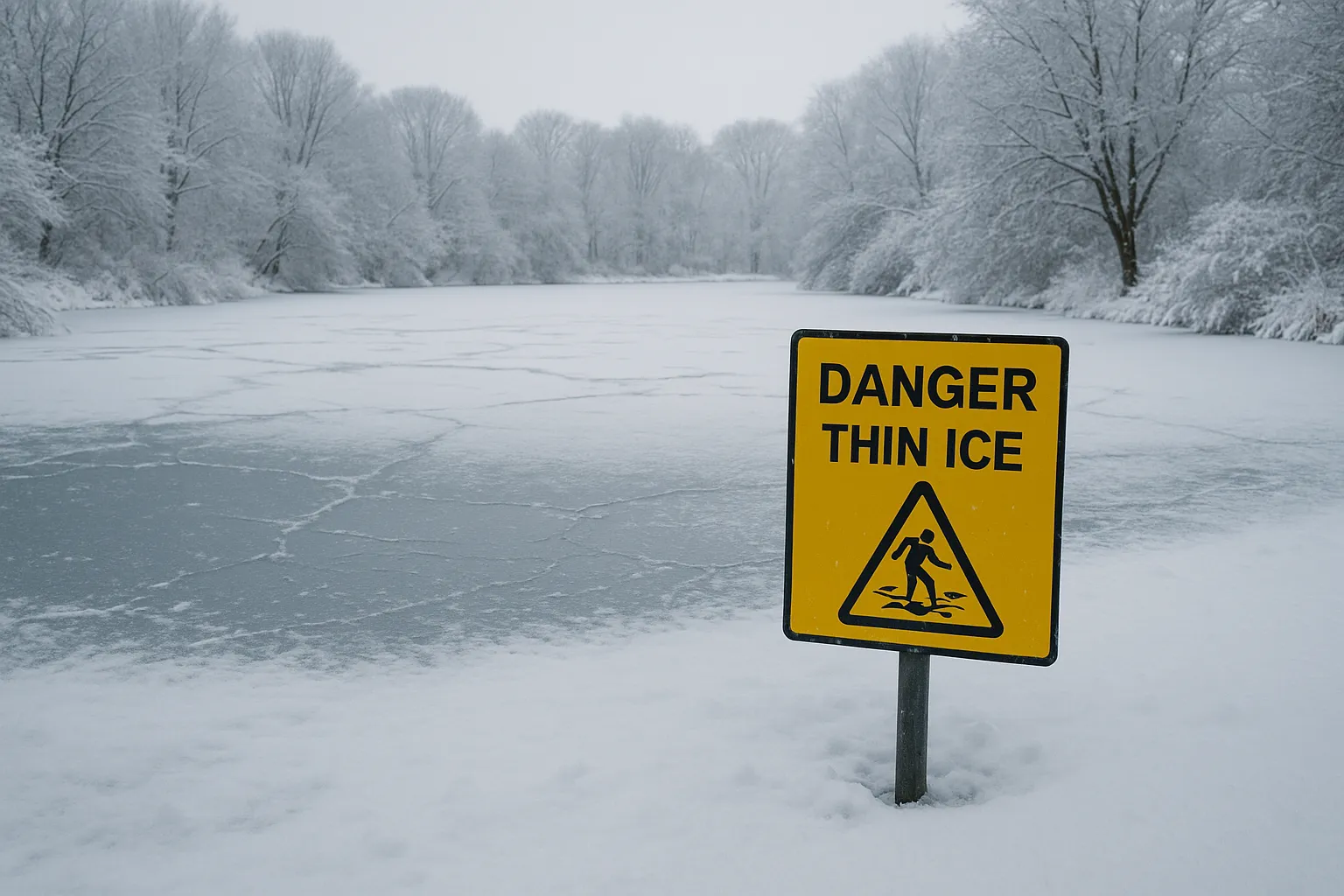
In light of these conditions, both fire services in Lincolnshire and Humberside have taken proactive measures to inform the public about the dangers associated with frozen bodies of water. Dan Moss, the area manager for prevention and protection at Lincolnshire Fire and Rescue Service, emphasised that ice on lakes and ponds can appear inviting, especially to children. However, he cautioned against walking on such surfaces as “ice is rarely thick enough to support someone’s weight.”
Moss elaborated on the hidden dangers of icy water, stating, “When it gives way, it does so almost instantly. Falling into icy water is more likely to trigger a cold water shock, which can lead to serious difficulty, even for strong swimmers.” His message is clear: individuals must avoid unnecessary risks near frozen water and maintain close supervision over children and pets.
Should someone accidentally fall through the ice, Moss advised against attempting a rescue from the water. Instead, he instructed bystanders to keep the individual calm, encourage them to float, and immediately contact emergency services by calling 999.
Echoing this sentiment, Humberside Fire and Rescue Service has also provided guidance for drivers navigating the treacherous conditions expected due to wintry weather. They recommend motorists check the state of the roads before embarking on any journeys.
The impact of the cold snap extends beyond the immediate hazards of icy conditions. The UK Health Security Agency (UKHSA) has issued amber cold weather health alerts nationwide, which are expected to remain in effect until 12 January. These alerts indicate that the colder temperatures may lead to significant repercussions for health and social care services. There is a particular concern over increased demand for GPs and ambulance services during this period.
Moreover, the agency has warned that the biting cold may exacerbate health issues, leading to a potential rise in fatalities, especially among vulnerable populations such as those aged 65 and over, and individuals with existing health concerns.
As the weather conditions worsen, community safety remains paramount. Residents are encouraged to prepare adequately for the cold, which may include stocking up on essentials, ensuring heating systems are functional, and staying informed about any developments in weather alerts.
In local news, recent reports have highlighted worrying incidents of children seen playing on frozen lakes, underscoring the urgent need for public awareness and adherence to safety advice. It is imperative that parents and guardians remain vigilant and communicate the risks associated with icy conditions to younger individuals.
As Storm Goretti continues its approach, the combination of heavy snowfall and strong winds poses a challenge not just for outdoor safety but also for daily life. Residents are urged to stay tuned to weather updates and heed the guidance provided by emergency services and health agencies.
While the picturesque scenery of snow-covered landscapes may entice adventurous spirits, it is essential to prioritise safety. Officials reiterate that preparation and caution can alleviate many risks associated with extreme winter weather. This includes understanding the limitations of driving in snow and ice, maintaining a well-stocked emergency kit at home, and being aware of the strains that cold weather can place on health services.
As authorities continue to monitor the situation closely, residents are encouraged to stay safe and informed. The adverse weather will not only affect daily routines but may also lead to challenges for healthcare systems, particularly if the weather leads to a surge in health-related incidents.
The collaboration between local fire services, health agencies, and the Met Office aims to keep the public safe during this turbulent weather period. Residents should adhere to local advice, stay updated with forecasts, and remain vigilant as Storm Goretti brings its formidable weather patterns to the region.
For the latest updates, locals can tune into regional broadcasts and check reliable online sources to stay informed about ongoing weather developments as the situation evolves.
In preparation for the storm, all are reminded to undertake necessary precautions, remain alert to the changes in weather, and most importantly, protect themselves and their loved ones from the effects of winter’s chill.
Our Thoughts
To avoid incidents related to frozen bodies of water, several precautions could have been implemented. Increased public awareness campaigns could be launched prior to severe weather events, emphasizing the dangers of walking on ice, particularly targeting children and their guardians. This aligns with the Health and Safety at Work Act 1974, which requires employers and organizations to ensure the safety and well-being of the public.
Regulations related to risk assessments and public safety measures from the Management of Health and Safety at Work Regulations 1999 should be strictly adhered to, including ensuring clear signage around hazardous areas such as frozen lakes and ponds.
Furthermore, proactive community engagement by fire services and local authorities can help to monitor these areas and mitigate risks. Establishing barriers or designated safety zones around dangerous water bodies could also reduce access to these areas during freezing conditions.
To prevent similar incidents in the future, continued education about the dangers of cold water shock and prompt responses during health alerts from agencies like the UK Health Security Agency can be vital in reducing potential fatalities, especially among vulnerable populations.