














Story Highlight
– West Mercia Police fined £85,800 for safety breaches.
– Student officer injured by car during traffic management.
– Incident occurred on A4117 Ludlow Road, Christmas Eve 2023.
– HSE found inadequate risk assessments and safety measures.
– Police force implemented significant changes post-incident.
Full Story
A police force has been sanctioned with a fine of £85,800 following a serious incident involving a student officer who was injured while on duty during the Christmas Eve period of 2023. The Health and Safety Executive (HSE) identified significant safety failings on the part of West Mercia Police concerning risk management procedures intended to protect officers responding to traffic incidents.
The injured officer, just 22 years old, sustained injuries that the HSE described as both “life-threatening and life-changing.” The case was brought before Birmingham Magistrates’ Court, where the police force acknowledged its transgressions under the Health and Safety at Work Act, leading to the considerable financial penalty. In addition to the fine, the court ordered the police to pay an additional amount of £9,402 in costs.
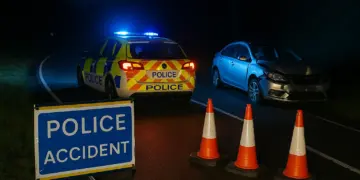
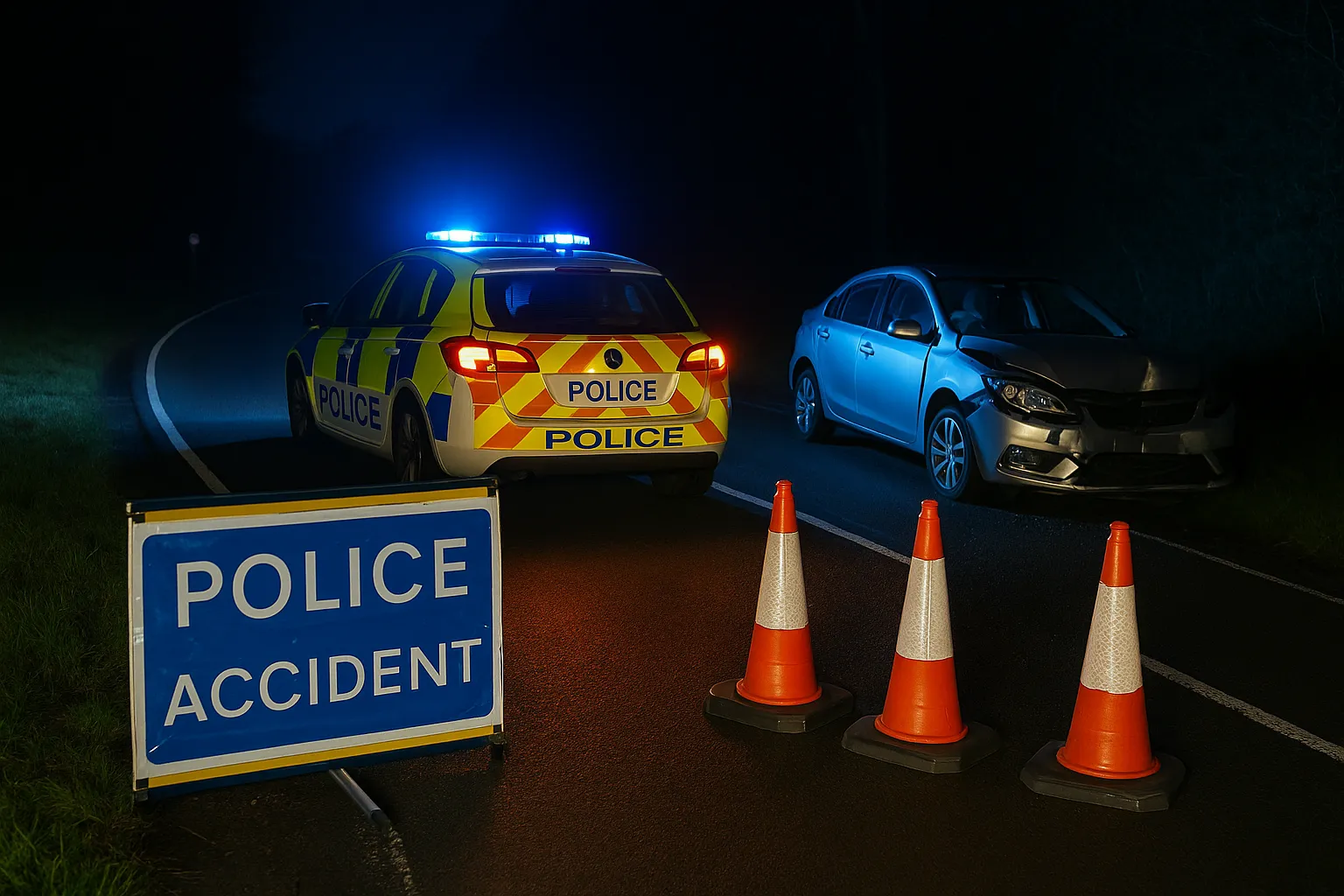
Details surrounding the incident reveal that the officer was attending to a collision on the A4117 Ludlow Road in the Snitton area, close to Bridgnorth in Shropshire. At the time of the incident, he was positioned on a curve of the narrow roadway, which lacked street lighting, all the while dealing with a speed limit set at 60 mph.
An investigation carried out by the HSE concluded that West Mercia Police had failed to adequately “do all that was reasonably practicable” to mitigate the risks associated with managing traffic collisions. It was determined that their existing risk assessments were not sufficient and that crucial safety gear for the officers had not been provided. Furthermore, there was a notable deficiency in the training, information, and guidance available to officers tasked with managing road traffic incidents.
HSE Inspector Keeley Eves asserted that it is understood police officers encounter “significant and serious dangers” as part of their daily duties. However, she emphasised that they should not be subjected to unnecessary hazards while performing their responsibilities of ensuring public safety.
In the wake of the incident, the HSE acknowledged that West Mercia Police had implemented substantial changes to their operations. These adjustments included revisions to their risk assessment protocols, which encompassed policy updates, procedural changes, and enhancements to training and safety equipment supplied to officers.
Assistant Chief Constable Grant Wills further elaborated on the changes that have taken place within the force since the incident. “Over recent months, we’ve made significant changes to our road-related risk assessments and procedures that were in place at the time,” he said. He noted that training levels for officers have been increased and that additional safety equipment has been acquired to ensure better protection during road management operations.
Wills also highlighted the resilience of the injured officer, noting that he has displayed “immense determination and strength throughout his recovery” and continues to actively serve the force. This resilience reflects not only the officer’s personal commitment but also highlights the ongoing support structures within the police force aimed at assisting injured personnel.
This incident raises broader questions about the safety measures implemented by police forces across the UK, particularly in the context of high-risk emergency responses. The outcomes of this case may stir discussions regarding the adequacy of current risk management frameworks and operational protocols that govern police activities.
Local residents and stakeholders have expressed concerns over the potential implications of such incidents for community safety and police visibility on roads. As the police force works to amend its practices in light of this event, the community is keenly observing the steps taken to ensure officer safety and effective traffic management.
In a concluding remark reflective of the incident’s serious implications, Inspector Eves pointed out the ever-present need for continuous training and robust safety measures within police operations to prevent similar occurrences in the future.
As West Mercia Police moves forward, the hope remains that the enforcement of stronger safety protocols will protect officers and enhance the safety of the public they serve. The effects of this incident will likely resonate within the community and across other police forces as they reassess their own risk management strategies.
Our Thoughts
The incident involving the student officer highlights several key areas for improvement in health and safety practices within the West Mercia Police. To avoid such occurrences, it is crucial that robust risk assessments are conducted prior to operational duties, especially in high-risk scenarios like traffic management on busy roads. This aligns with the requirements of the Health and Safety at Work Act, which mandates that employers ensure the health and safety of their employees by managing risks effectively.
The failure to provide adequate safety equipment and to deliver suitable training and information to officers indicates significant breaches of the legislation. Specifically, the HSE found weaknesses in how the force prepared for and responded to traffic incidents, exposing officers to unnecessary risk.
Moving forward, implementing comprehensive safety protocols, improving training systems, and ensuring the availability of appropriate protective gear will be essential to prevent similar accidents. Regular reviews and updates to risk assessments, particularly concerning road traffic incidents, should be made standard practice to enhance officers’ safety while performing their duties.