











Story Highlight
– Negotiations for SPS agreement with EU are ongoing.
– Aim to reduce trade barriers and red tape significantly.
– Potential benefits include cost savings for exporters and businesses.
– Concerns exist about aligning UK standards with EU regulations.
– Expected implementation by mid-2027 following agreement.
Full Story
Negotiations to establish a common sanitary and phytosanitary (SPS) agreement between the UK and the European Union (EU) are making significant progress, as part of broader efforts by the government to reboot trade relations. The discussions, which commenced in earnest in January, have included weekly meetings between officials from both parties to navigate the complex regulatory framework and facilitate a more streamlined trading environment.
In early March, the Department for Environment, Food & Rural Affairs (Defra) launched a six-week “call for information” aimed at gathering insights from UK stakeholders. The consultation sought to identify the potential impacts of aligning with EU regulations and the support required during this process.
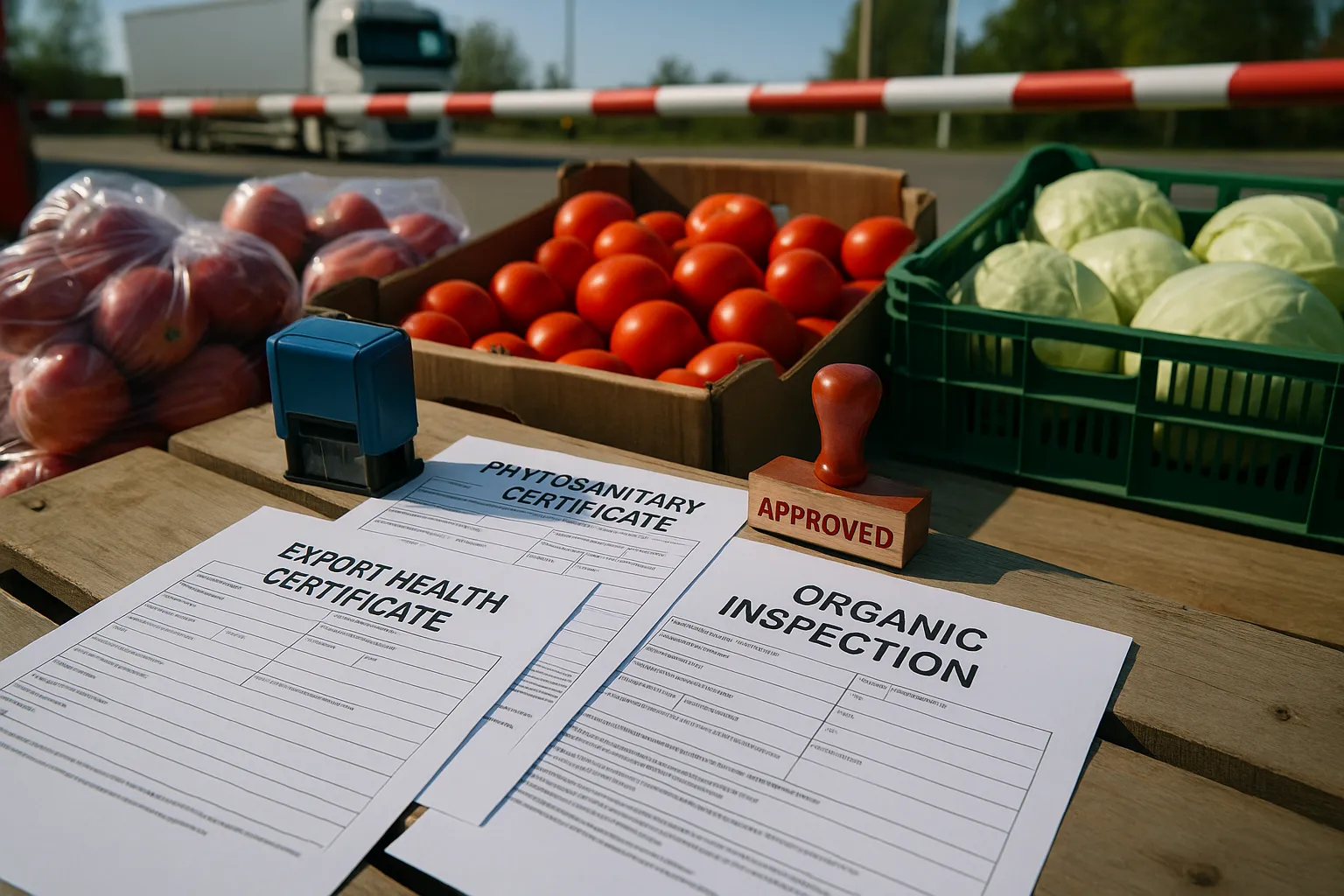
A sanitary and phytosanitary agreement covers a multifaceted range of matters concerning the trade, production, and transportation of plants, animals, and related products across borders. This agreement aims to alleviate existing bureaucratic challenges, such as complex paperwork and stringent controls currently faced by traders. The SPS initiative also takes a broader perspective by addressing issues regarding food safety, nutritional standards, labelling, organic production certifications, and the regulation of pesticides and veterinary medicines.
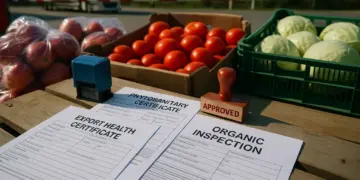
By aligning more closely with EU regulations, the UK seeks to diminish the excessive red tape hindering trade. Notably, it would eliminate costly documentation requirements like export health certificates, which can be particularly cumbersome for goods crossing from Great Britain into the EU. This alignment may further ease trade flows between Great Britain and Northern Ireland, enhancing access under the existing provisions of the Windsor Framework.
While there are apparent benefits to such alignment, it is important to consider the implications. Reports suggest that the UK could potentially negotiate exemptions from certain EU regulations, provided these do not compromise standards or adversely affect EU products entering the UK.
Despite the momentum behind these negotiations, the timeline for finalising the SPS agreement remains uncertain. The UK government has opted against detailed public commentary on the discussions but aims to reach an agreement by the time of the next UK-EU summit, anticipated for this summer. Full implementation of the SPS agreement is targeted for mid-2027, yet a financial contribution from the UK towards EU funds has been suggested as a cost of closer ties.
Opposition parties have expressed concerns regarding the nature of influence the UK will retain in EU regulatory frameworks, with assurances that while the UK will be consulted on future standard-setting, formal voting rights will not be granted. Disputes arising from the agreement are expected to be resolved through the European Court of Justice.
The expected advantages of a successful SPS deal are considerable. Chancellor Rachel Reeves recently highlighted the government’s initiative aimed at cutting regulatory burdens by 25% by the end of the current parliamentary term. This reduction is projected to save about £6 billion annually for the 500,000 businesses involved. Defra estimates that the agreement could save food exporters up to £200 for each consignment due to the elimination of various certification requirements and fees.
A staggering 1.08 million export health certificates were issued for EU and Northern Ireland trade since the beginning of 2023, costing exporters over £100 million. Advocates of the SPS agreement, including the Agriculture and Horticulture Development Board (AHDB), acknowledge that the EU remains a crucial trading partner for British agricultural outputs. Given that a significant portion of exports, particularly in sectors like dairy and red meat, is destined for the EU market, easing trade frictions through the agreement is viewed as essential.
The agreement is also expected to reopen trade for certain products that have faced import bans, including British seed potatoes and specific types of sausages. Furthermore, it may enhance biosecurity measures by granting the UK access to EU databases which monitor disease spread, thus strengthening the UK’s preparedness against potential threats.
Nevertheless, the road to agreement is not without challenges. The possibility of more stringent regulations is a concern for some UK agricultural sectors. For instance, the use of plant protection products has diverged significantly since Brexit. Research indicates that a sudden shift to EU standards could result in a drop in productivity for UK cereal growers, costing the industry between £500 million and £800 million.
Key concerns have also been raised regarding the standardisation of organic food production, particularly poultry. Current UK regulations are diverging from EU rules, which could jeopardise the viability of domestic organic producers unless derogations are successfully secured.
Discussions surrounding the use of new genomic techniques in plant breeding illustrate further complexities. The UK has made strides in precision breeding legislation, yet aligning with forthcoming EU frameworks could hinder progress by delaying innovation in crop development.
Additionally, regulations concerning bovine tuberculosis (TB) management present obstacles, specifically regarding the vaccination of cattle – a strategy now being pursued in the UK. Adhering to EU stipulations that prohibit vaccination could result in significant trade implications for UK’s meat and dairy sectors.
As the government continues its outreach through the call for information closing on 23 April, organizations like the National Farmers’ Union (NFU) are collecting insights from farmers to gauge readiness for potential changes. These insights may influence the pace and structure of negotiations, calling for a balanced approach to transitional arrangements.
The anticipated SPS agreement embodies both opportunities and challenges, reflecting the evolving nature of UK-EU relations post-Brexit. With both parties invested in reaching an accord, the outcomes may shape the future of agricultural and trade practices for years to come.
Our Thoughts
The article does not describe a specific incident that resulted in health and safety breaches, making it challenging to identify relevant lessons or regulations breached. However, key lessons can still be derived from the broader context of health and safety considerations in agricultural trade:
1. **Communication and Consultation**: Proactive consultation with stakeholders is essential. The six-week “call for information” by Defra is a step in the right direction, but ongoing dialogue could further enhance understanding of potential impacts on health and safety.
2. **Regulatory Alignment**: Ensuring that any new agreements, such as the SPS, consider UK health and safety regulations is critical. Alignment should prioritize maintaining high hygiene and safety standards while streamlining processes.
3. **Risk Assessment**: The government should conduct comprehensive risk assessments regarding the impact of regulatory changes on food safety, particularly concerning pesticides and veterinary medicines.
4. **Implementation Plans**: Gradual implementation of changes is essential to avoid disruption in business operations. A clearer timetable for shifts in regulations could help businesses transition effectively, reducing potential health risks.
5. **Safety Compliance**: Continuous monitoring of compliance with regulations, such as the Health and Safety at Work Act 1974, should be enforced to ensure that agricultural practices do not compromise worker and consumer safety.
These steps could help mitigate risks to health and safety in the evolving context of agricultural trade agreements.