











Story Highlight
– Four contaminated wipe products linked to Burkholderia stabilis.
– 59 cases of infection reported, one death recorded.
– Non-sterile wipes should not be used for injuries.
– Public urged to dispose of affected wipes immediately.
– Overall risk to healthy individuals remains very low.
Full Story
A public health alert has been issued in the UK regarding specific alcohol-free wipes, following a rise in infections linked to contaminated products. The UK Health Security Agency (UKHSA) and the Medicines and Healthcare products Regulatory Agency (MHRA) have identified four non-sterile alcohol-free wipe brands that consumers should avoid. This cautionary measure comes in the wake of 59 confirmed instances of Burkholderia stabilis infections attributed to these wipes, with cases documented between January 2018 and February 2026. Health authorities have indicated that cases of this infection continue to emerge, including some severe infections that resulted in hospital admissions, and one death has been associated with Burkholderia stabilis.
Burkholderia stabilis is a bacterium commonly found in the environment; it is generally harmless to healthy individuals. Nevertheless, vulnerable populations, especially those with weakened immune systems, such as patients with cystic fibrosis or those managing intravenous lines at home, are at increased risk of severe infection. Investigations conducted in 2025 revealed that certain wipe products tested positive for the bacterium.
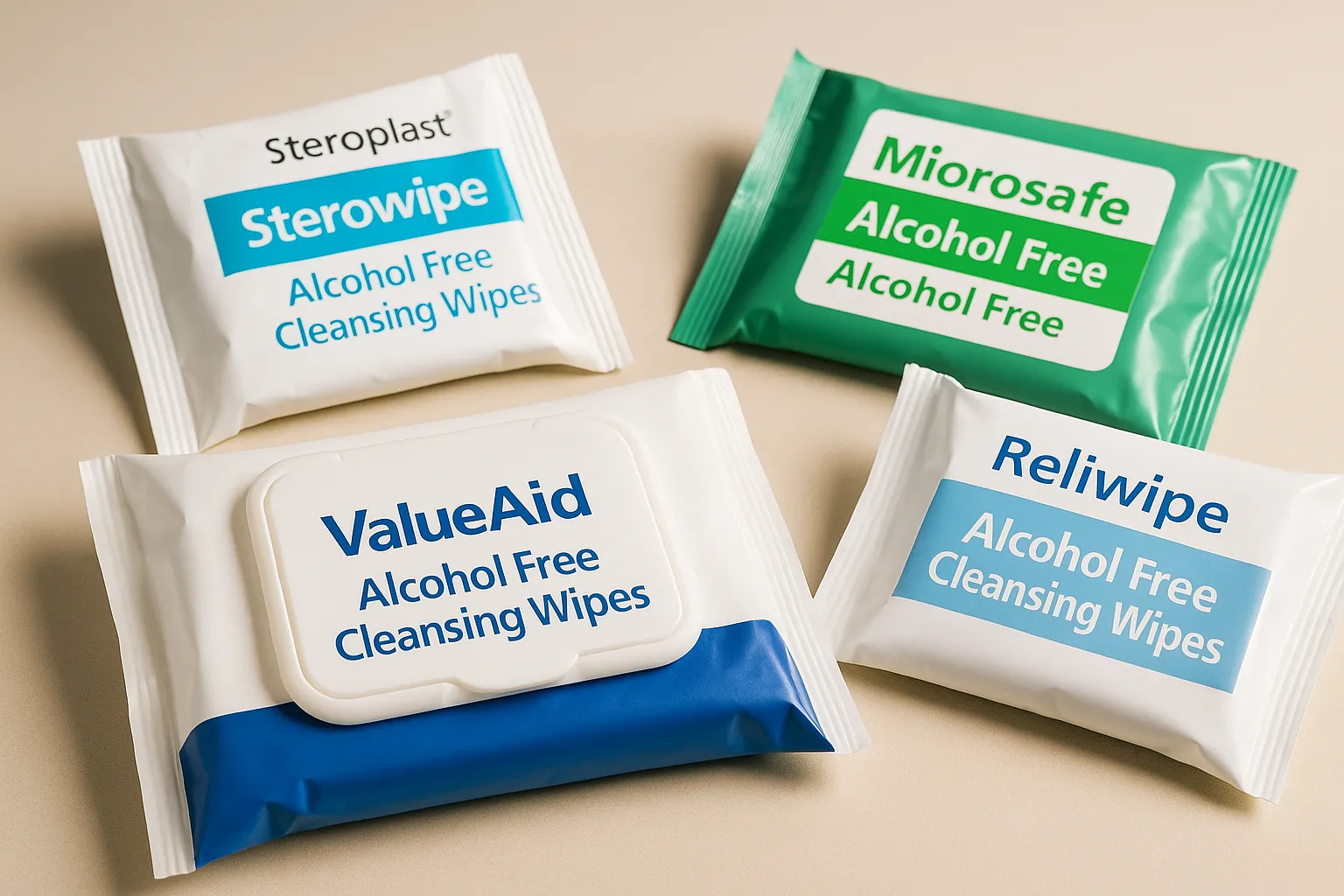
The specific products identified as potentially hazardous are:
– ValueAid Alcohol Free Cleansing Wipes
– Microsafe Moist Wipe Alcohol Free
– Steroplast Sterowipe Alcohol Free Cleansing Wipes
– Reliwipe Alcohol Free Cleansing Wipes
These wipes have been linked to contamination by a strain of Burkholderia and should not be used under any circumstances. Furthermore, both the UKHSA and MHRA have made it clear that non-sterile alcohol-free wipes should not be employed for first aid, applied to any broken skin, or used for cleaning intravenous lines.
In July 2025, the MHRA initiated actions against distributors of these products, resulting in their removal from retail shelves. However, health authorities warn that some of these wipes may still be found in domestic first aid kits. Individuals are strongly encouraged to thoroughly check their homes, particularly first aid supplies, for the affected wipes. Anyone in possession of these products should stop using them immediately and dispose of them as regular household waste.
The UKHSA sent a safety alert to healthcare practitioners in June 2025, reiterating guidance on this issue today. Dr James Elston, a Consultant in Epidemiology and Public Health at UKHSA, emphasised the importance of public awareness. “We are reminding the public not to use, and to dispose of, certain non-sterile alcohol-free wipes which have been linked to an outbreak of Burkholderia stabilis,” he remarked. He reassured the public that the overall risk remains very low and that affected products have been withdrawn from sale. However, the detection of a continued number of cases among vulnerable patients is a cause for concern, along with the awareness of one death tied to these infections.
Dr Elston further advised, “Non-sterile alcohol-free wipes, of any type or brand, should not be used for the treatment of injuries, wounds, or broken skin; and they should never be used to clean intravenous lines. UKHSA uncovered the link to this outbreak through testing wipes used by those affected and worked quickly to notify health professionals with a patient safety alert in June 2025. We have provided a further update to reinforce infection prevention and control guidance. When treating injuries or cleaning intravenous lines, it is important to follow NHS advice.”
In support, Dr Alison Cave, Chief Safety Officer at MHRA, reiterated the agency’s prioritisation of patient safety. She mentioned, “The MHRA issued Notices to sellers of specific products in July, resulting in their withdrawal from sale. If you have any wipes at home or work, double-check they are labelled ‘sterile’ before using them on broken skin. Follow the advice of your clinical team, GP or community nurse in the care of your intravenous line.”
Symptoms associated with a Burkholderia stabilis infection can appear in various forms, depending on infection severity and location. For example, signs of wound infections may include redness, swelling, increased pain, warmth around the affected area, and the presence of pus or other discharge. Infections linked to intravenous lines might manifest through redness, swelling, or pain at the insertion site, as well as fever or chills. In severe cases, bloodstream infections (sepsis) can result in symptoms like confusion, rashes, and difficulty breathing.
Anyone experiencing non-healing wounds or developing fever post-injury is advised to seek immediate guidance through NHS 111. For concerns regarding intravenous lines, patients should promptly reach out to their healthcare team for appropriate support.
In conclusion, the ongoing concern surrounding specific alcohol-free wipes has sparked a significant health alert within the UK. As health authorities work to mitigate risks, the emphasis remains on public vigilance and adherence to guidelines outlined by healthcare professionals. Proper care and monitoring are essential, especially for vulnerable individuals, to avoid potentially life-threatening infections.
Our Thoughts
To prevent the outbreak linked to non-sterile alcohol-free wipes, several measures could have been implemented. First, stricter quality control measures during the manufacturing process should have been enforced to ensure that only sterile wipes are produced, thereby aligning with the Medicines and Healthcare products Regulatory Agency (MHRA) regulations regarding product safety and quality.
Further, clear labeling requirements for medical use products need to be established, emphasizing that non-sterile wipes should not be used on broken skin or for cleaning intravenous lines. This would address violations of The General Product Safety Regulations 2005, which require products to be safe when used in the intended manner.
Regular audits of products in first aid kits and hospitals should be mandated to ensure compliance with safety standards and prompt removal of non-compliant products from circulation. Finally, educating both healthcare professionals and the general public about the inherent risks of using non-sterile products for medical purposes is crucial. Employing stringent communication strategies for safety alerts can significantly enhance awareness and compliance to prevent similar incidents in the future.