











Story Highlight
– MHRA warns against misuse of common medications this winter.
– Alcohol interaction can lead to dangerous side effects.
– Increased gatherings heighten risk of medication misuse.
– Public urged to report adverse reactions promptly.
– Seek NHS 111 support when GP is unavailable.
Full Story
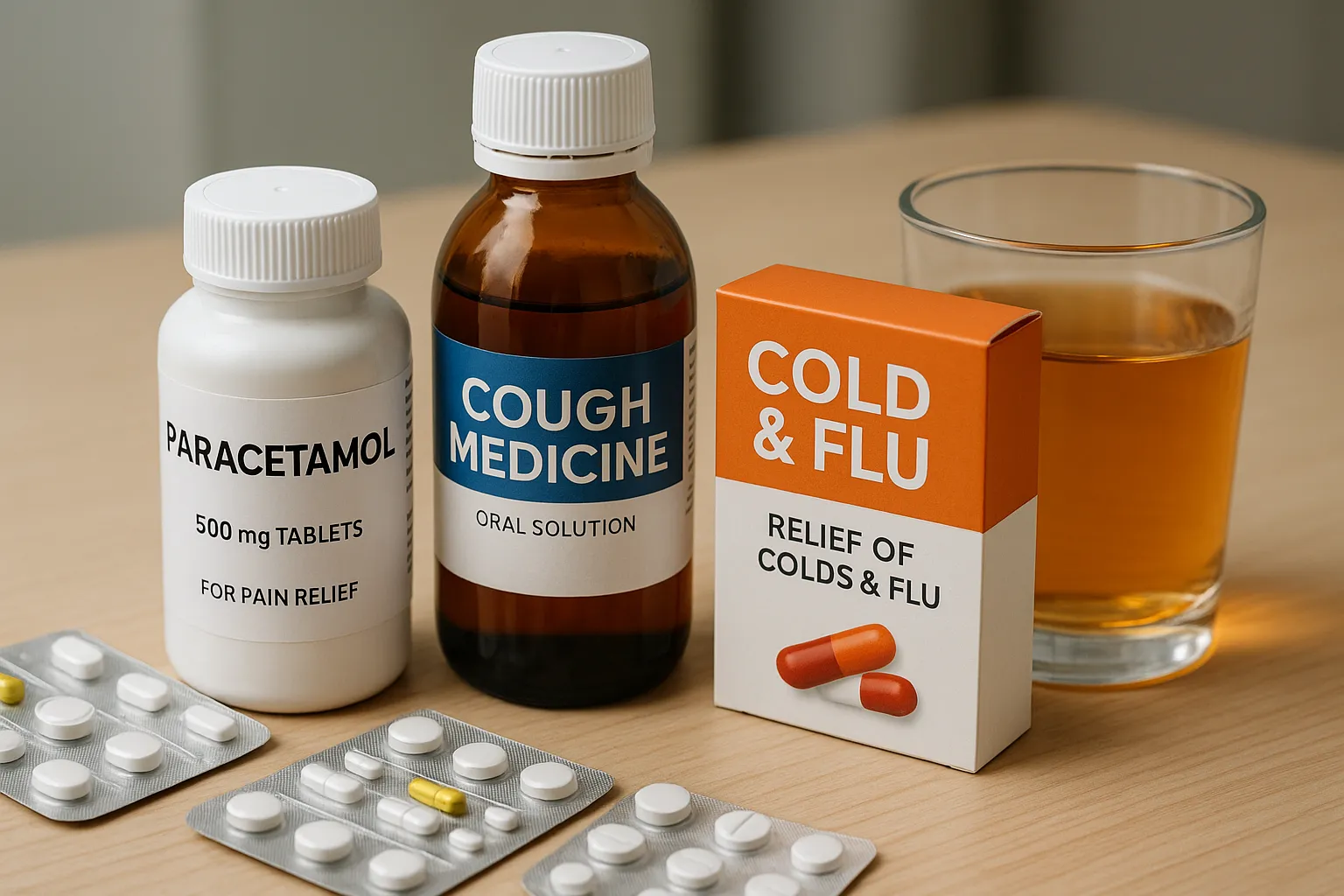
Health experts have issued a stern warning regarding the safe usage of commonly used medications as winter approaches, highlighting potential dangers associated with standard pain relief options such as paracetamol. The Medicines and Healthcare products Regulatory Agency (MHRA) has released an important advisory, stressing that improper consumption of these medications could lead to serious and unforeseen consequences.
Even familiar remedies, such as cough syrups, can pose significant risks when not used correctly. The MHRA’s caution comes at a time when many individuals frequently gather socially, travel, and increasingly turn to over-the-counter drugs to manage common winter ailments. The agency noted that the combination of these factors raises the likelihood of accidental misuse for many.
Leigh Henderson, a representative from the MHRA’s Safety and Surveillance division, emphasised, “At this time of year, people are often taking more medicines – whether for colds, allergies or aches and pains – and may also be drinking more alcohol.” She added that a major concern arises from misapprehensions around the interaction of alcohol with various medications. Henderson urged the public to adopt simple safety measures to ensure their well-being during the festive season.
To assist in this regard, the MHRA has provided five essential tips aimed at minimising medication-related mistakes during the holiday period. Firstly, they strongly encourage individuals to report any adverse reactions or safety concerns they may encounter. “Most medicines and medical devices work well and safely for most people, but no medical product is risk-free,” the agency stated. They underscored the importance of reporting side effects or safety issues via the MHRA’s Yellow Card scheme, which plays a crucial role in monitoring product safety and safeguarding public health.
If individuals require medical advice during times when their GP practices are closed, they are advised to contact NHS 111 for assistance. In critical situations, the agency recommends phoning emergency services at 999 or heading directly to the nearest Accident & Emergency department.
With the increase in the number of people relying on both prescription and over-the-counter medications during the winter months, the MHRA’s warning serves as a timely reminder for all. As seasonal illnesses become more prevalent, individuals need to be vigilant in their medication usage to avoid potential health hazards that could arise from a lack of awareness.
The festive season typically sees a rise in social activities, with many celebrating both indoors and outdoors, which often leads to increased alcohol consumption. In conjunction with this, the use of various medications can become commonplace as individuals manage cold symptoms or aches and pains associated with the winter chill. However, it is crucial to remember that the compatibility of these medications with alcohol can be especially risky.
In her comments, Henderson stressed the importance of awareness during this busy time of year: “By taking a few easy precautions, you can keep yourself and your family safe this Christmas.” She highlighted that holiday cheer should not come at the expense of personal safety and that consumers must educate themselves about the products they are using.
Experts recommend making it a habit to carefully read the labels on any medication to ensure proper usage. Many drugs, particularly those meant for pain relief or cough suppression, contain guidance regarding alcohol consumption. Ignoring these warnings can result in adverse effects, ranging from drowsiness to more severe reactions.
In addition to the MHRA’s guidance, healthcare professionals across the country advocate for ongoing public education regarding the complexities of medication usage. Public health campaigns aim to highlight the potential interactions between over-the-counter drugs and alcohol, particularly during festive occasions where alcohol consumption may be more frequent.
This advisory also comes amid a backdrop of rising concerns about self-medication, particularly as many people have become accustomed to relying on easily accessible medications without fully understanding their implications. While self-treatment can be effective, it often leads to dangerous situations where individuals might mix various medications or exceed recommended dosages.
In light of this, the MHRA’s recommendations are invaluable for promoting a safe and enjoyable holiday season. By educating the public on the importance of cautious medication use, authorities aim to reduce the risk of health mishaps that could otherwise spoil festive gatherings.
Finally, the advice to reach out to NHS 111 for medical guidance serves to highlight the availability of support. This service ensures that, even during busy holiday periods, individuals can access the care they need without delay.
As winter unfolds, staying informed and mindful of the medicines we take is more crucial than ever. Following the MHRA’s guidelines can help ensure a safer and healthier season for everyone, allowing families to concentrate on enjoying their time together without undue health risks.
Our Thoughts
To prevent medication misuse outlined in the article, enhanced public awareness and education about the risks associated with combining over-the-counter medications like paracetamol with alcohol could have been implemented. The MHRA’s recommendations highlight the need for clear labeling and guidance on packaging, which aligns with regulations such as the Health and Safety at Work Act 1974 and the Misuse of Drugs Act 1971, which stress the importance of ensuring safety information is easily accessible and comprehensible.
Key lessons include the importance of proactive communication from healthcare authorities about the potential dangers of common medications during periods of increased consumption, such as winter festivities. In particular, clear instructions on dosage and potential interactions should be emphasized.
To prevent similar incidents, regular safety campaigns should be conducted, especially during high-risk seasons, to educate the public about responsible medication use. Establishing a systematic approach to reporting adverse effects, as suggested with the MHRA’s Yellow Card scheme, should be further promoted to enhance safety monitoring and foster a culture of vigilance among users.
Ultimately, ensuring adherence to existing regulations regarding medication safety and public education could significantly mitigate the risks associated with misuse.